One Family Gives Back
We can’t keep everything for ourselves. We pray that the foundation will grow because the people of Afghanistan, they need help now.
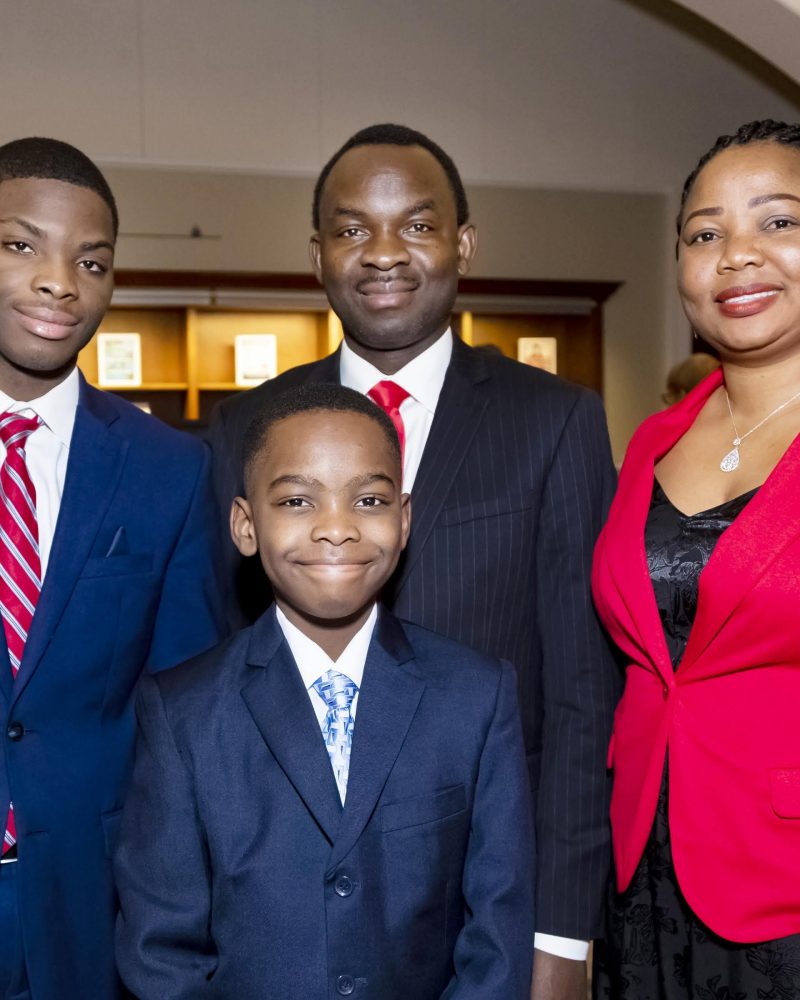
My name is Kayode. I was born in Nigeria. Because of the situation in Nigeria [with Boko Haram], I needed to take my family to the United States.
We got our visas, and came to the US. First we were in Dallas. Unfortunately our host wife said that we could not stay, and she gave us a week to move out. I went to Facebook, to see if there was anybody around me from Africa. I found a friend from high school, living in New York. I tell him, “I am stuck, where I am. I have to leave in five minutes.” He tells me to come to New York so that he can introduce me to his pastor. So we went, and he introduced us. The pastor could not accommodate us, because we are four people. My wife and I, we have two kids. But he said that he would help us find a shelter with the promise that it won’t cost any money. We got our assignment in a shelter in Manhattan. I asked the man, “Where is Manhattan?” The man says, “It is the best city in the world.”
Boko Haram is a terrorist group in Nigeria that seeks to overthrow the current government and replace it with a regime based on Islamic law. Kayode and his family are Christian. They were targeted because he refused to print anti-Christian banners and leaflets for the group. Click here to learn more about Boko Haram and its effect on children and families in Nigeria.
What America is, is to make a whole new life. This is an opportunity to everybody, if you are not lazy. I don’t compromise laziness. There is no way to be around me and be lazy. This is not possible. I think hard work pays.
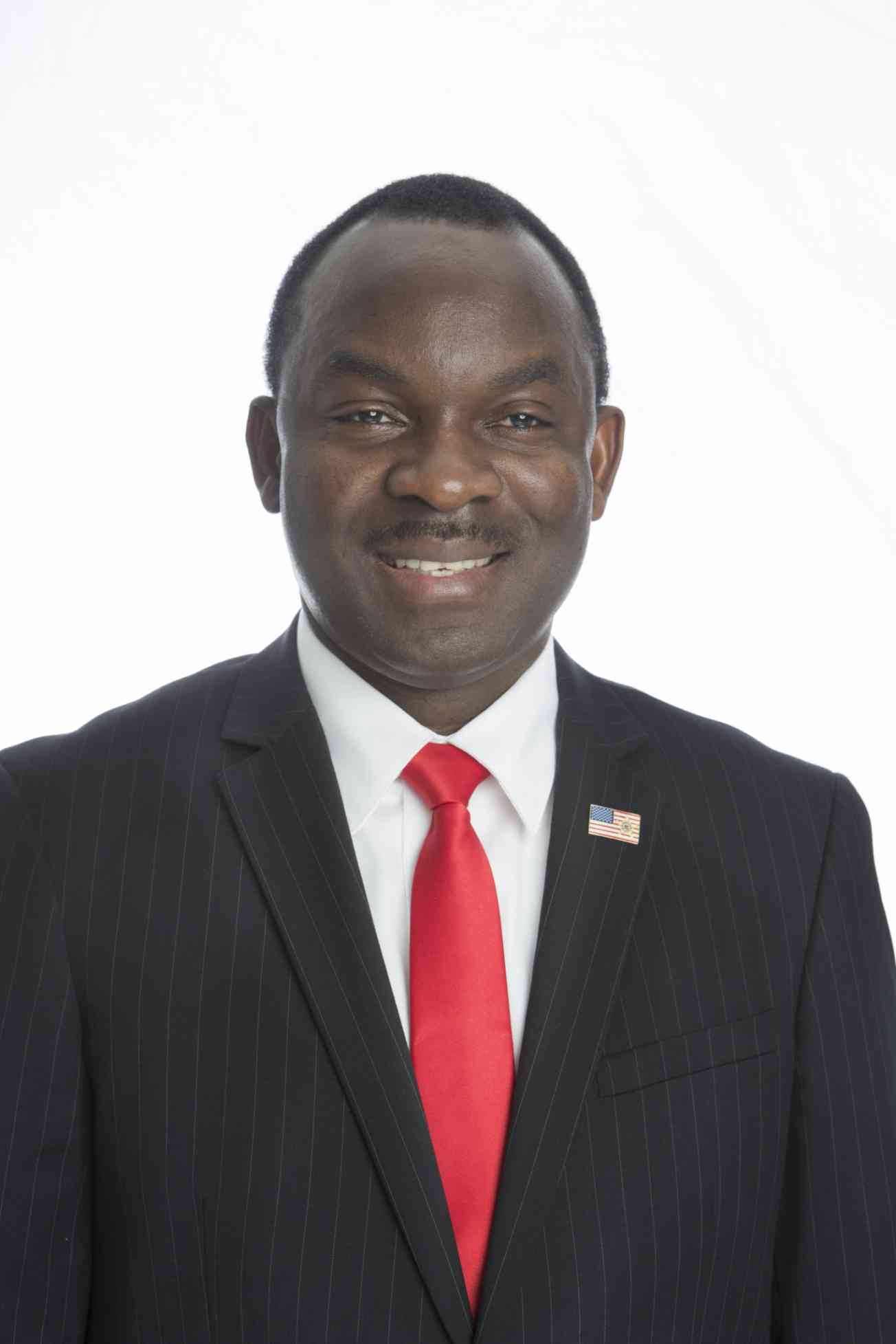
We were very lucky to be in the shelter. But now I need a job so I can move my family. We have had 4 months without anything. And I am told that our degrees--my wife and I are both graduates--our degrees are not useful here. Back in Nigeria, I owned my own business, a printing press with 13 employees. My wife worked at the bank. Coming to America, the only skill they say I have is for washing dishes. But there is nothing to do. So I go to the kitchen and wash dishes. I wash dishes from evening to seven o’clock in the morning.
I did that for 6 months. Then I go back and tell my wife, I can not do this anymore. I need to get another job, one that is a little bit lighter for me, this one is too heavy for me. So I found somebody in New Jersey that needed help with housecleaning. When they make a request for housecleaning, we go.
After four or five months I got my social security card, and I could start driving Uber. When I started driving, everything got a little bit better. I could dress up, I can look nice, because you can’t look nice when you are cleaning somebody’s house.
Before we came to this place, our boys already spoke English. My boys can easily communicate. When they can communicate, one thing is secure. But mixing with friends, that has been a little bit more difficult. The other kids didn’t normally play with them because we was, I mean, Tani was the only black boy in his class. They would not play with him because they were bullying him about living in the shelter. People would say, “Are you living in a shelter?” And I would say, “We are making ourselves safe.”
We put our second son, Tani, in PS 116. We thought he should do a sport, and he fell in love with chess. Then in 2019, he won the [national] chess tournament, K-3. He wants to be a grandmaster. It was then when Nicholas Kristoff did the New York Times article interview. We had the whole world acting as a big mouth for us. Somebody started a GoFundMe to help us get out of the shelter. We raised over $250,000. And people gave us so many things. Somebody gave me a brand new car. We got new furniture, a lot of things. The only thing we carried with us were our clothes. I asked my wife what we should do with the money, because a lot of what we want to use money for was already provided for us. I made the decision to form the foundation named for my son, the Tanitoluwa Adewumi Foundation.
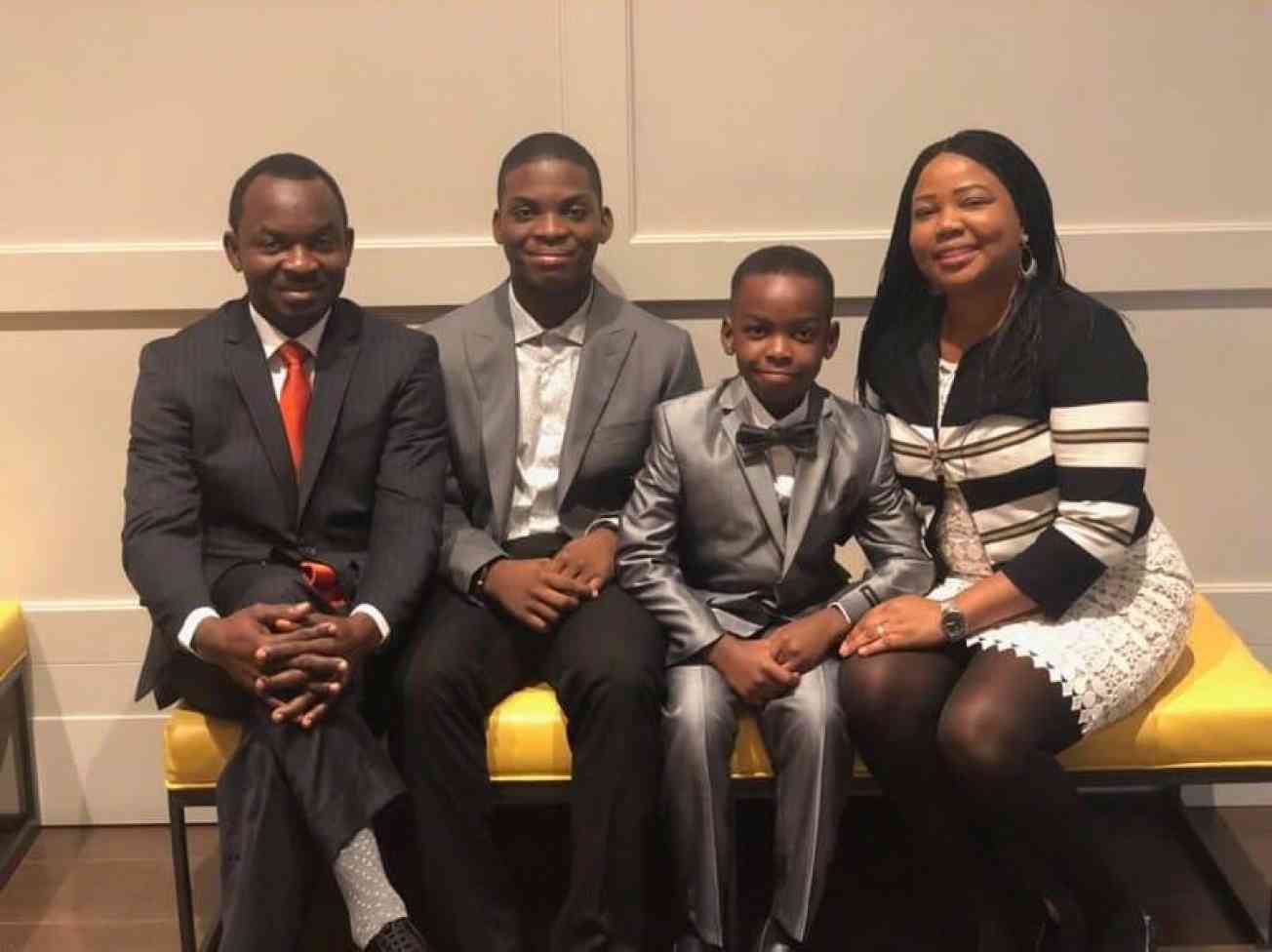
We did that non-profit for the elementary school. We gave the kids school bags to go back to school in 2019. And during the pandemic, a lot of people were stuck, because they can’t go to work. We gave them money for a month or maybe two months’ rent. We needed to approach the shelters, because we know what it’s like to live in a shelter. We bought things for them. For those with babies, we sent diapers. We sent a lot of things.
We can’t keep everything for ourselves. We need to show the mercy of God to a lot of people. We pray that the foundation will grow because the people of Afghanistan, they need help now. The people of Africa, they need help. We need more donations to the foundation, because we have a lot of things we need to do.
We are all one in the presence of God. Hindu and Muslim, blue or white, I think you are one in the presence of God. And we should love God in you, not the color or religion or anything. We should see ourselves as one.
Kayode and his family are out of the shelter and living in an apartment. Kayode is enrolled in college, studying marketing. He hopes to be an entrepreneur. Click here for more information on the Tanitoluwa Adewumi Foundation. Click here for more information on Tani’s book, My Name is Tani and I Believe in Miracles.
Our team members obtain informed consent from each individual before an interview takes place. Individuals dictate where their stories may be shared and what personal information they wish to keep private. In situations where the individual is at risk and/or wishes to remain anonymous, alias names are used and other identifying information is removed from interviews immediately after they are received by TSOS. We have also committed not to use refugee images or stories for fundraising purposes without explicit permission. Our top priority is to protect and honor the wishes of our interview subjects.