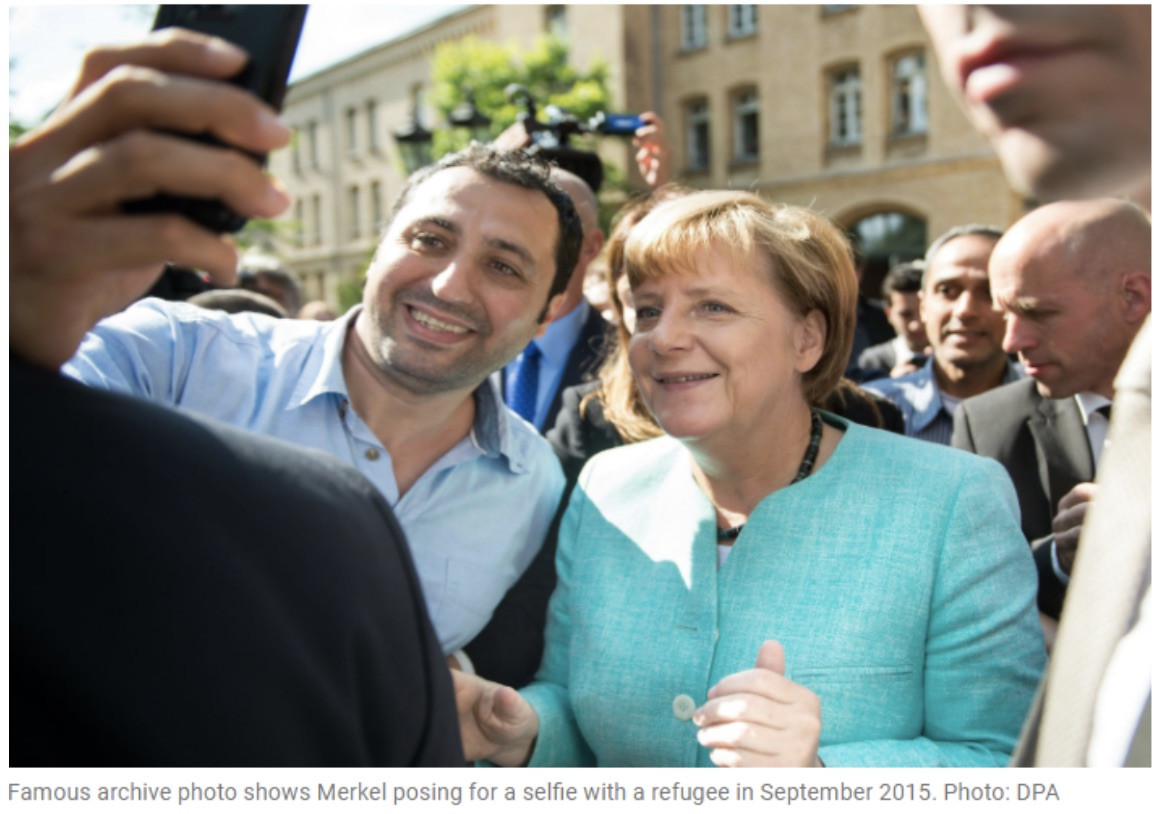
My husband and I, who have lived in Germany since 1998, were in the car doing some Saturday errands in September 2015 when we heard a live speech from Chancellor Angela Merkel on the radio. We listened to her warm words encouraging Germans to embrace the refugees flooding into Europe at that moment. We had tears in our eyes and agreed whole-heartedly with her vision to welcome refugees.
We had both been active in helping with integration projects in the past, and desired to get involved with this new wave of refugees, and contacted the local association in our had town created decades earlier to help integrate refugees in our community.
That was five years ago, and since then, we have made great friends with many of these new residents and have witnessed many things that our community and country have done well to help with successful integration. This page of TSOS Germany will soon show many of the people behind the numbers. The struggles and successes faced by people from many different nations finding a new home in Germany.
Integration experiences vary greatly from person to person, town to town, city to city within any country and Germany is no exception to that. However, overall, Germany has had a relatively successful experience integrating these new residents as can be seen by some of these statistics from the attached article from Thelocal.de on 31 August 2020 (see link below):
Approximately 50% of the 900,000 asylum seekers who arrived in Germany in 2015 now have a job. Many are working in hospitality, security services, cleaning services and retirement homes.
Only about 1% of refugees had good or very good knowledge of German upon arrival, but now about 50% speak German relatively fluently, and an additional 30% have a medium level of the language.
I am excited about the upcoming articles exploring individuals and their unique stories that will soon fill this page.
Helping ITPs Succeed: Insights from Leading Support Programs
Partner Profile: No One Left Behind
Their Story is Our Story and No One Left Behind (NOLB) joined forces in 2025 to launch the StoryShield program.
We spoke with Matthew Marcellus, Director of Communications with NOLB, and asked what the partnership with TSOS has meant for his organization and their Afghan clients.
Context with Layma
Social media presents us with an endless scroll of headlines and ‘hot takes’. What’s often missing is context. What is the history that led up to an event? Whose interests are served by a certain policy? What effects is that policy having on people’s lives? Layma Murtaza produces and hosts the video series “Context with Layma”, featured on Their Story is Our Story’s social media channels. We spoke to her about the context of her own life, as an Afghan-American and a professional in humanitarian aid, that led her to use storytelling to illuminate the personal and political context behind the headlines.