READ OUR OFFICIAL STATEMENT ON THE U.S. FY2026 REFUGEE ADMISSIONS CAP AND PRIORITIZATION
SHARE YOUR EXPERIENCES WITH DISPLACEMENT, RESETTLEMENT, DEPORTATION, AND ICE #ANONYMOUSAMONGUS
December 13, 2021

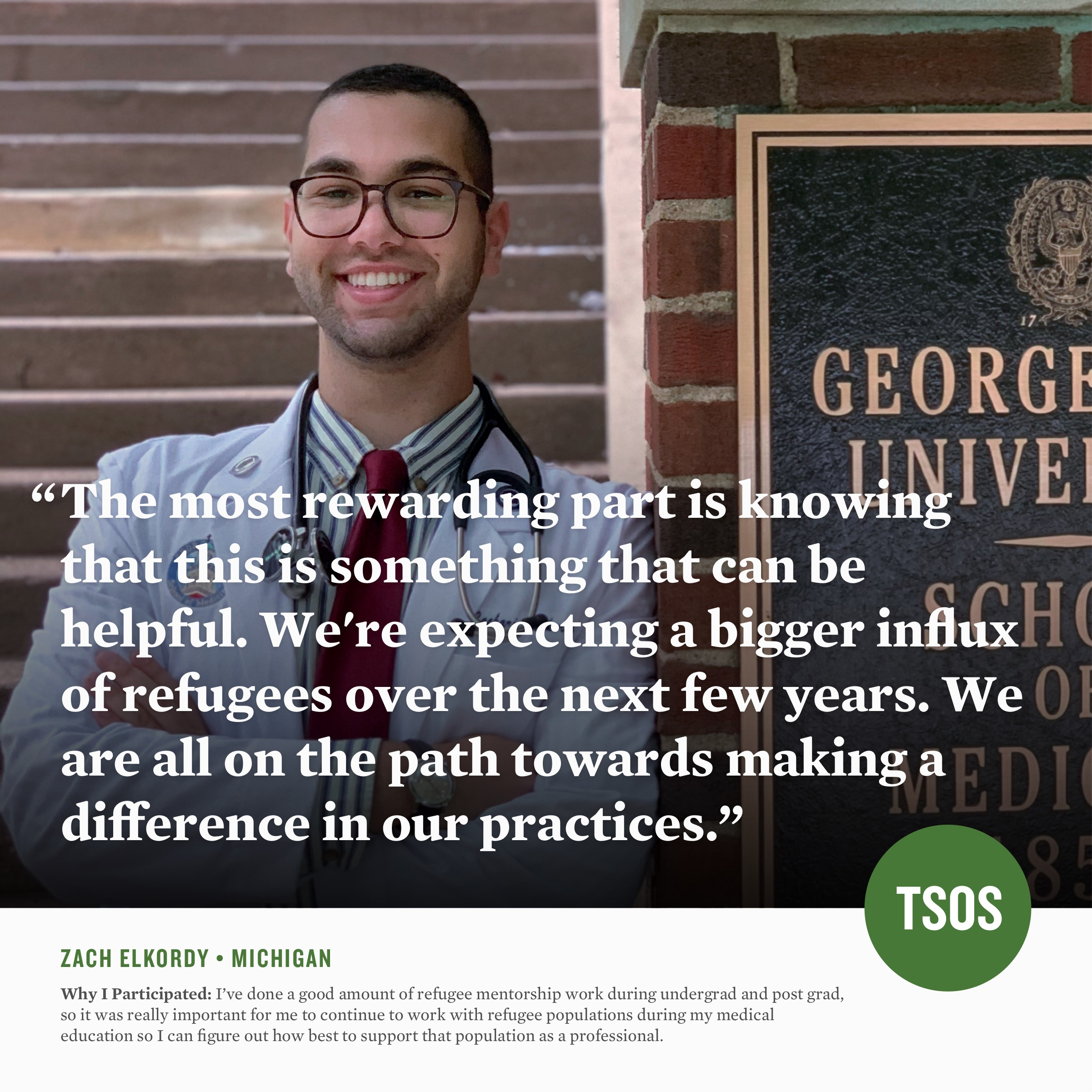
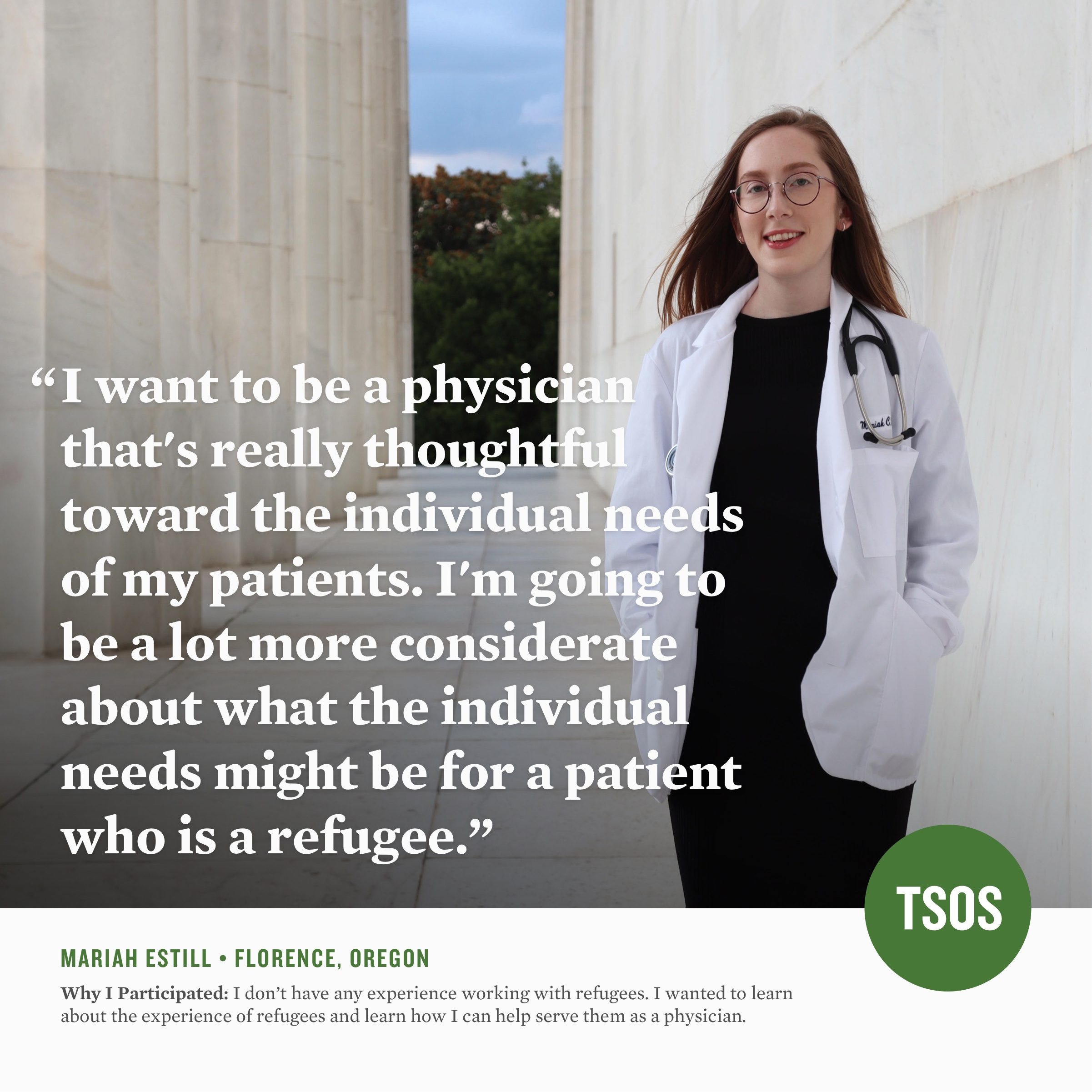
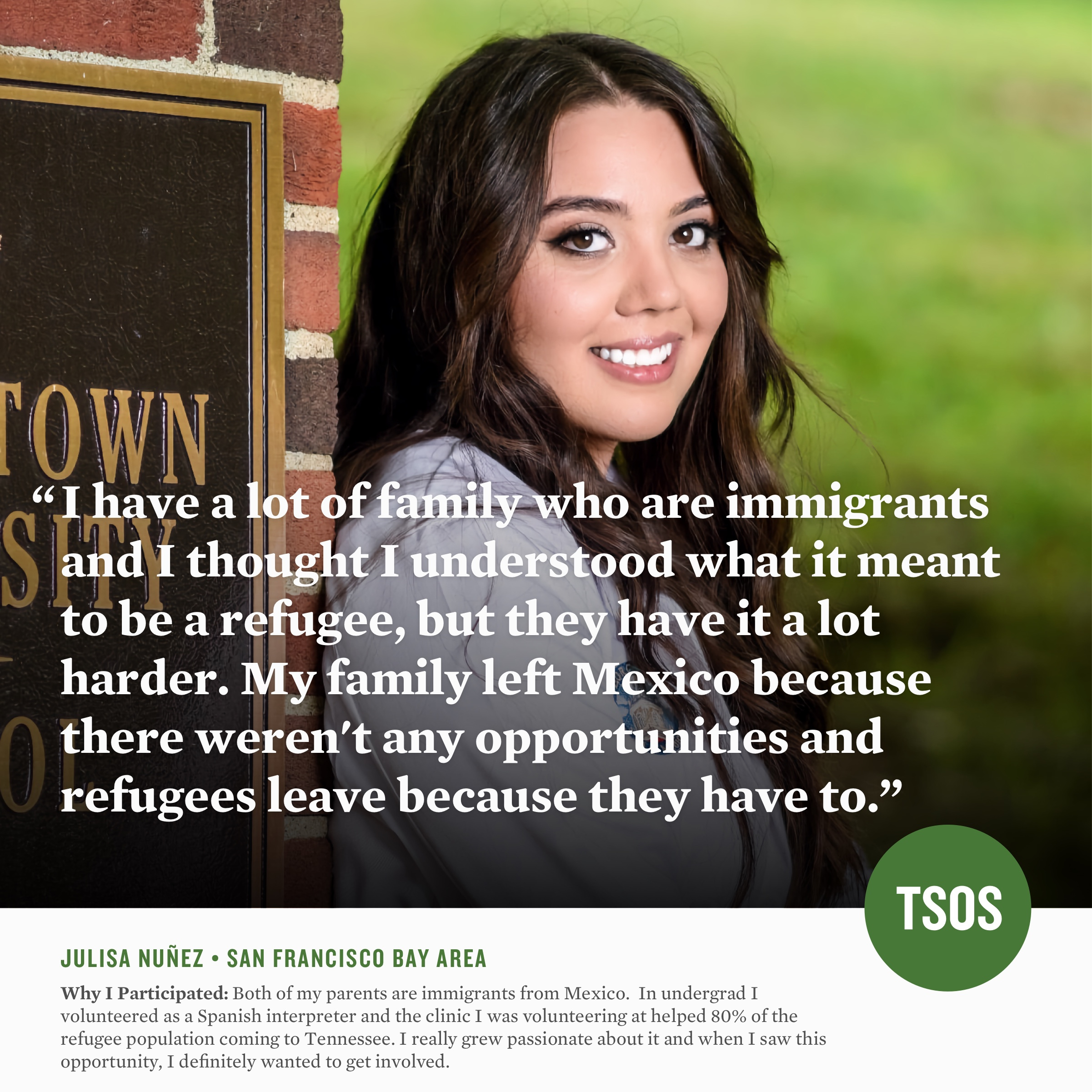
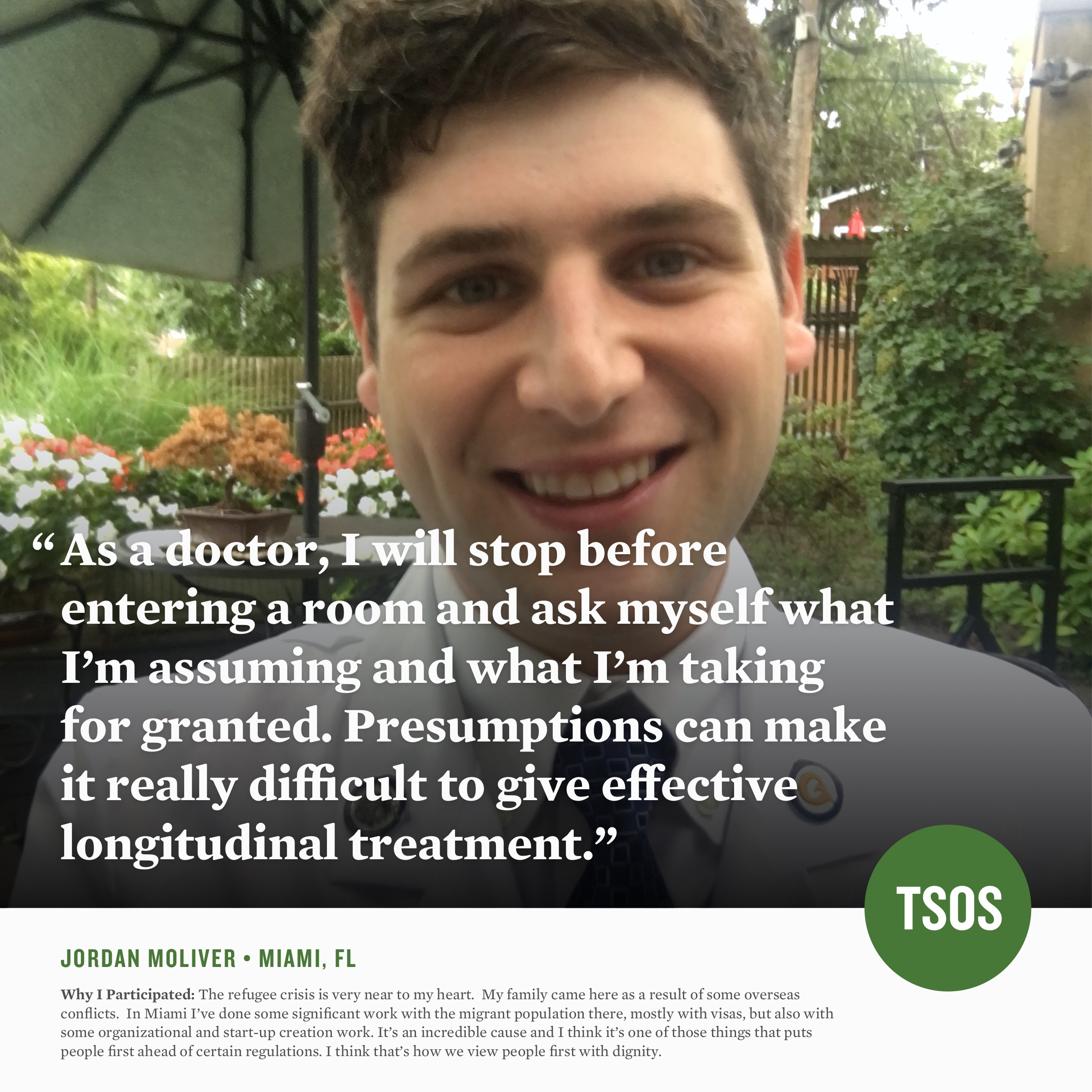
Georgetown Medical Students provide practical support for refugee integration
Written by Brandi Kilmer
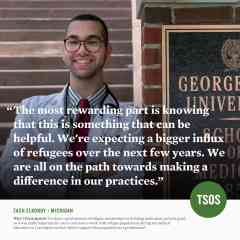
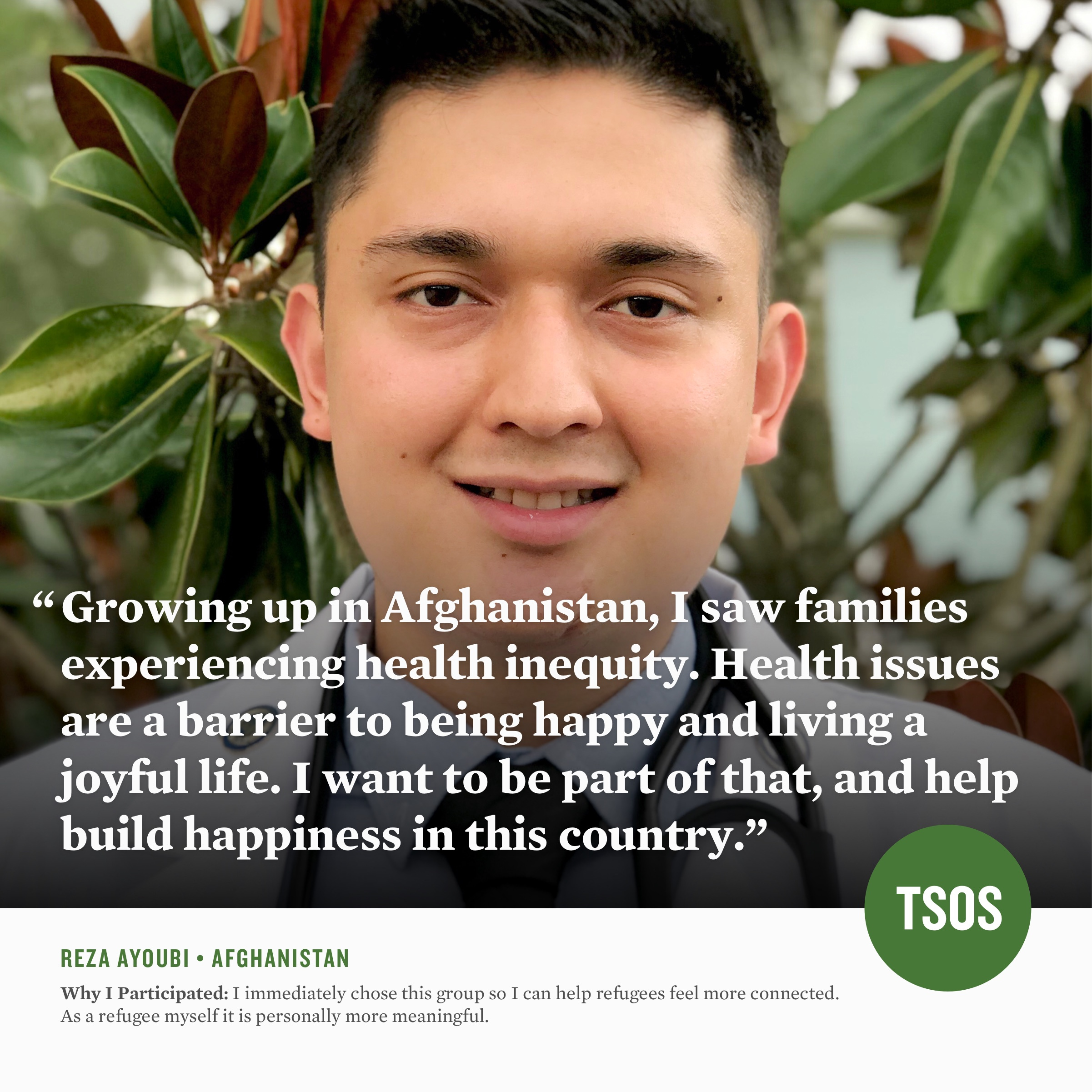
Reza Ayoubi

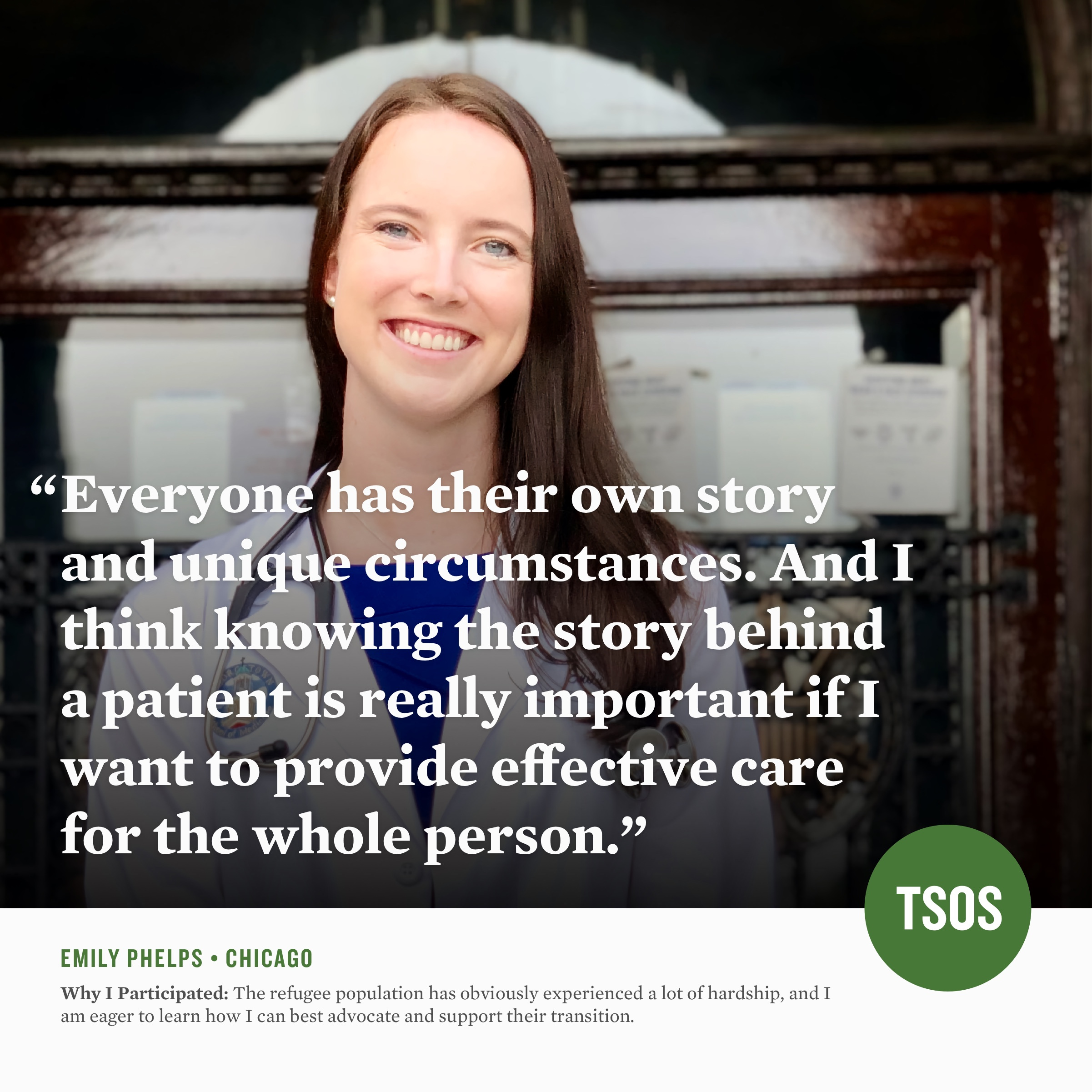
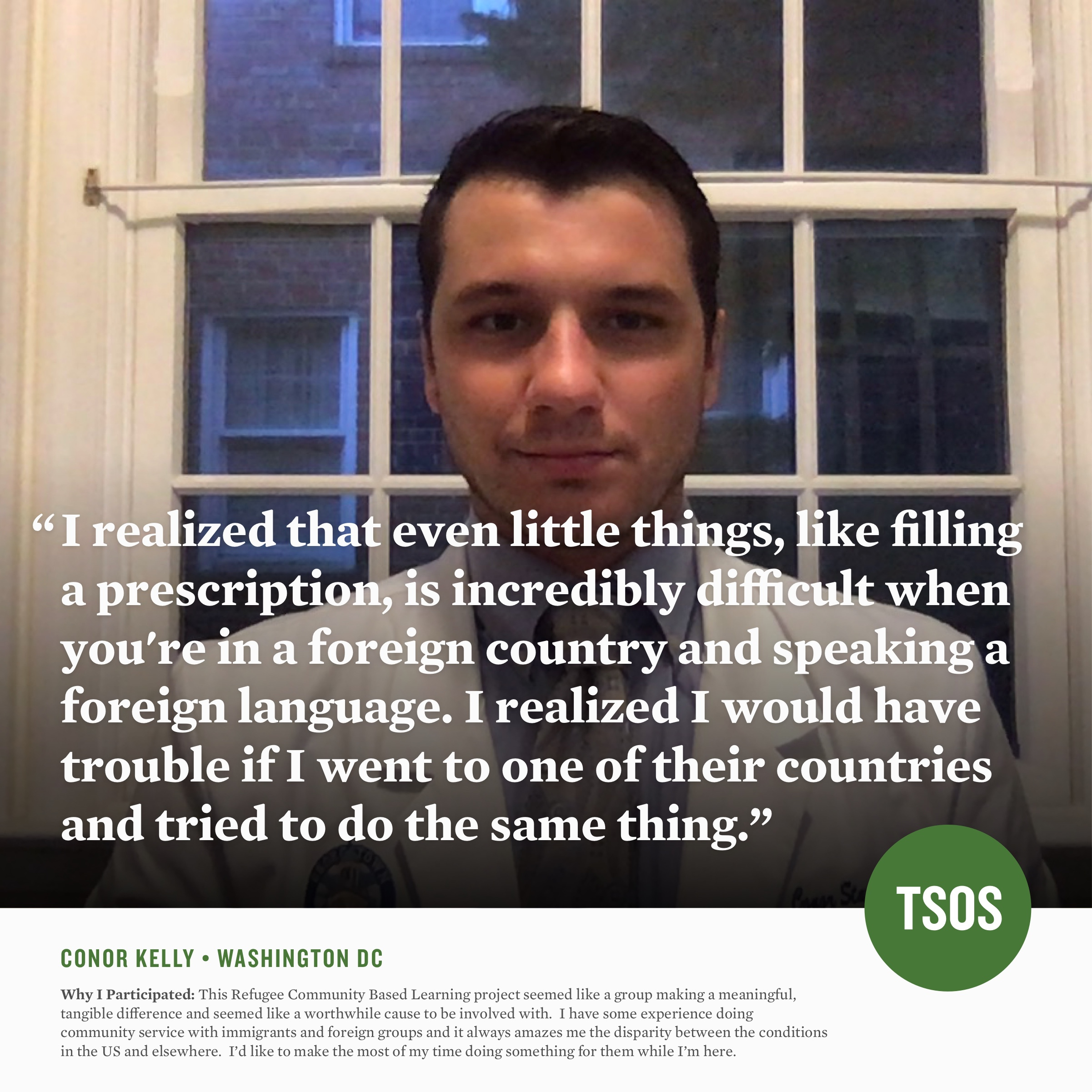
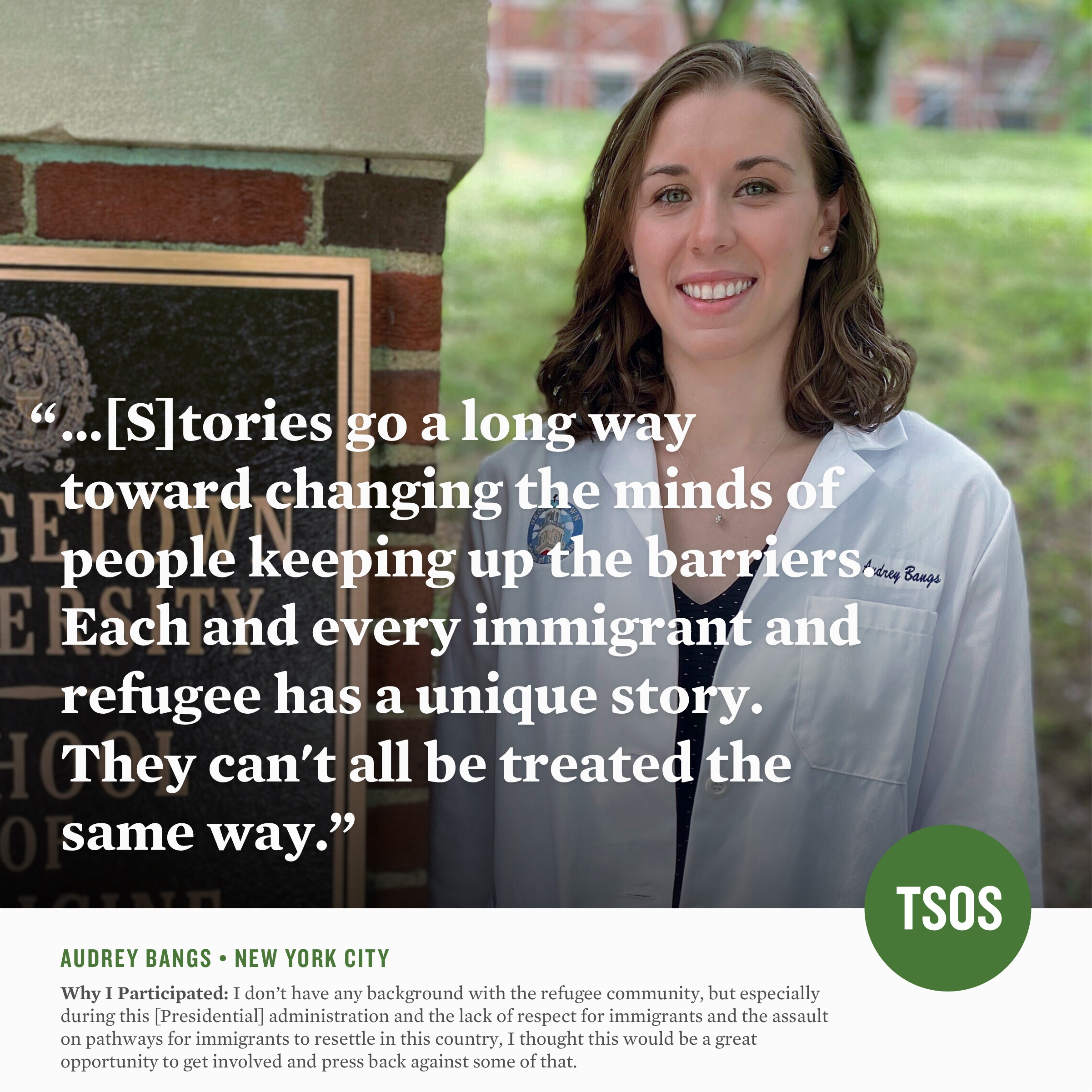
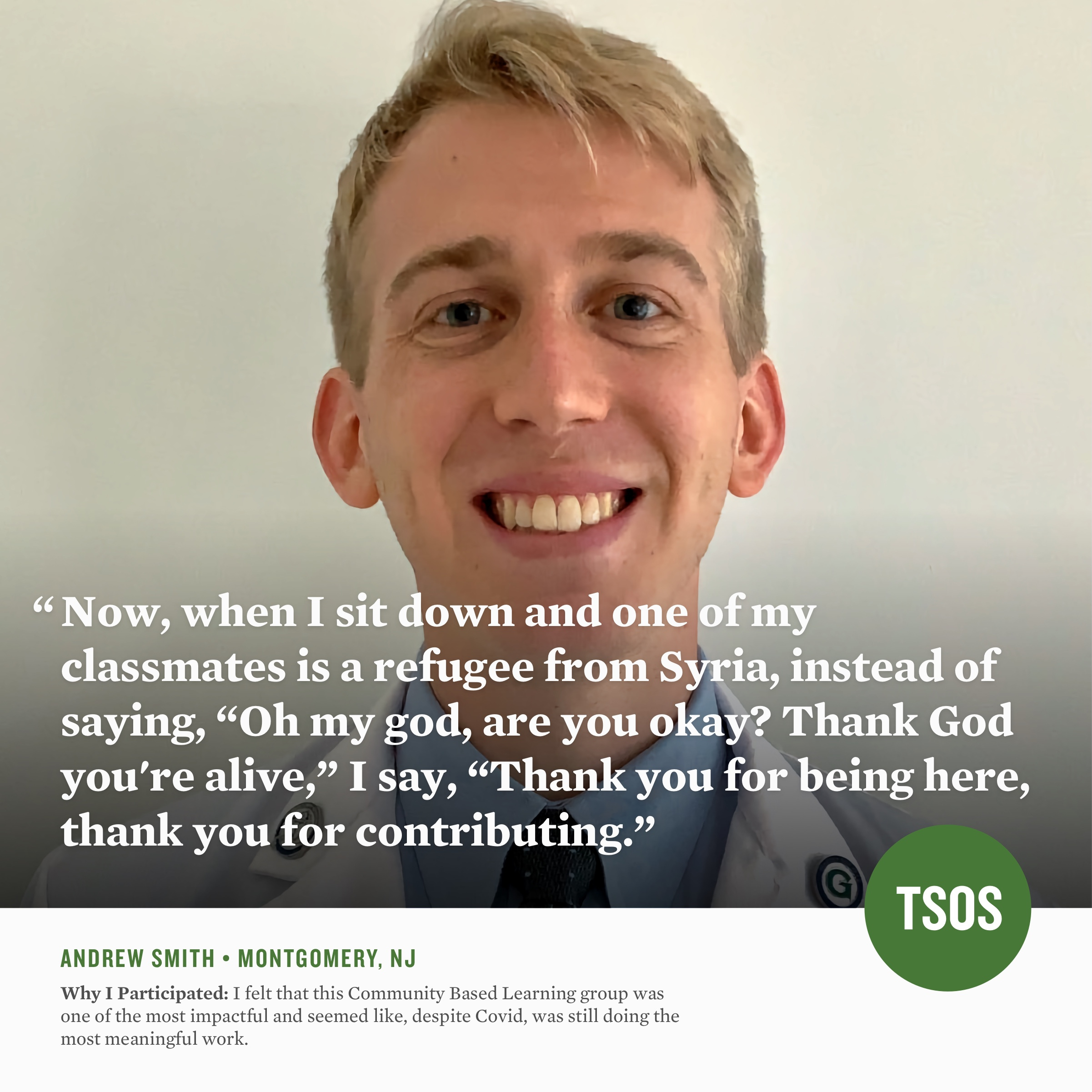
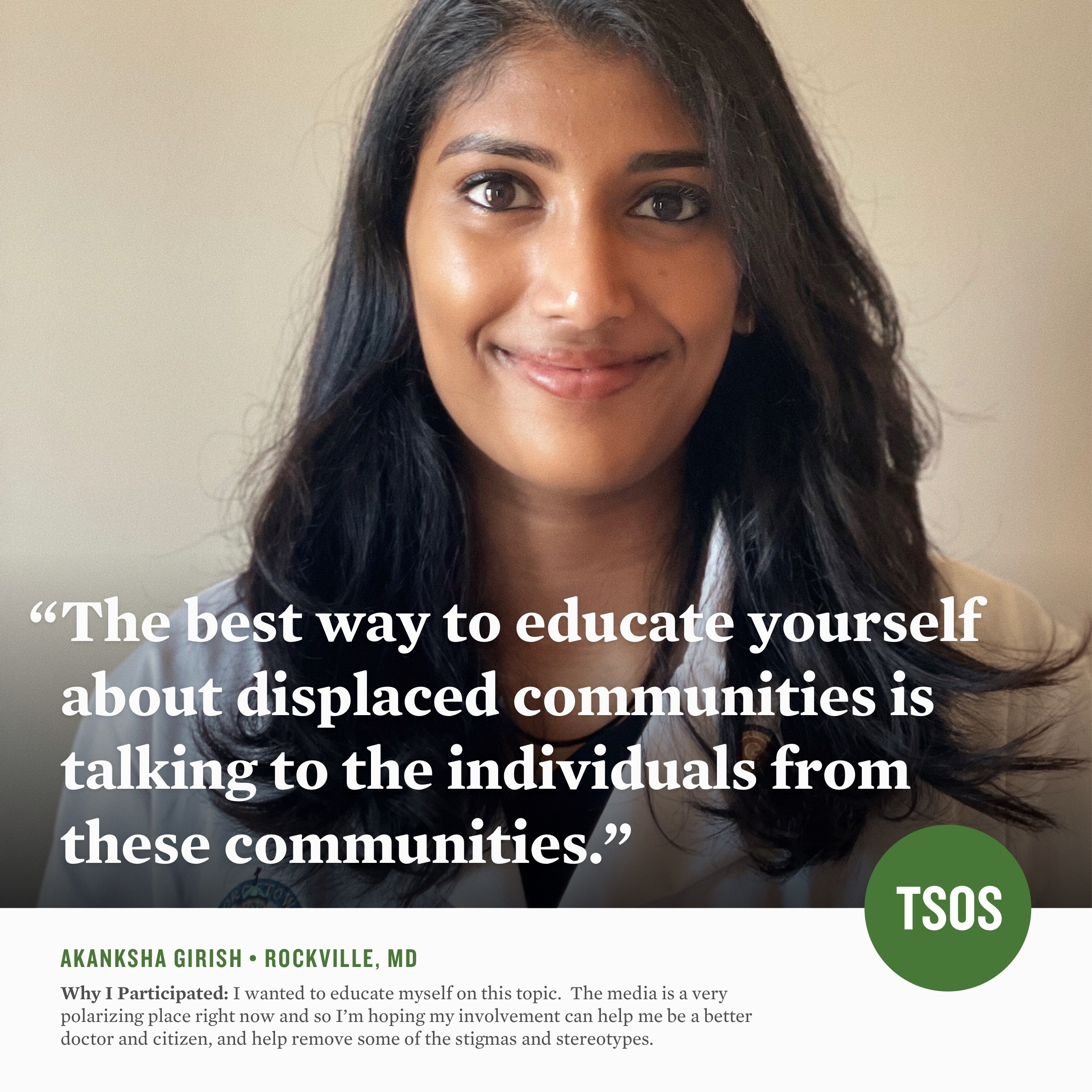
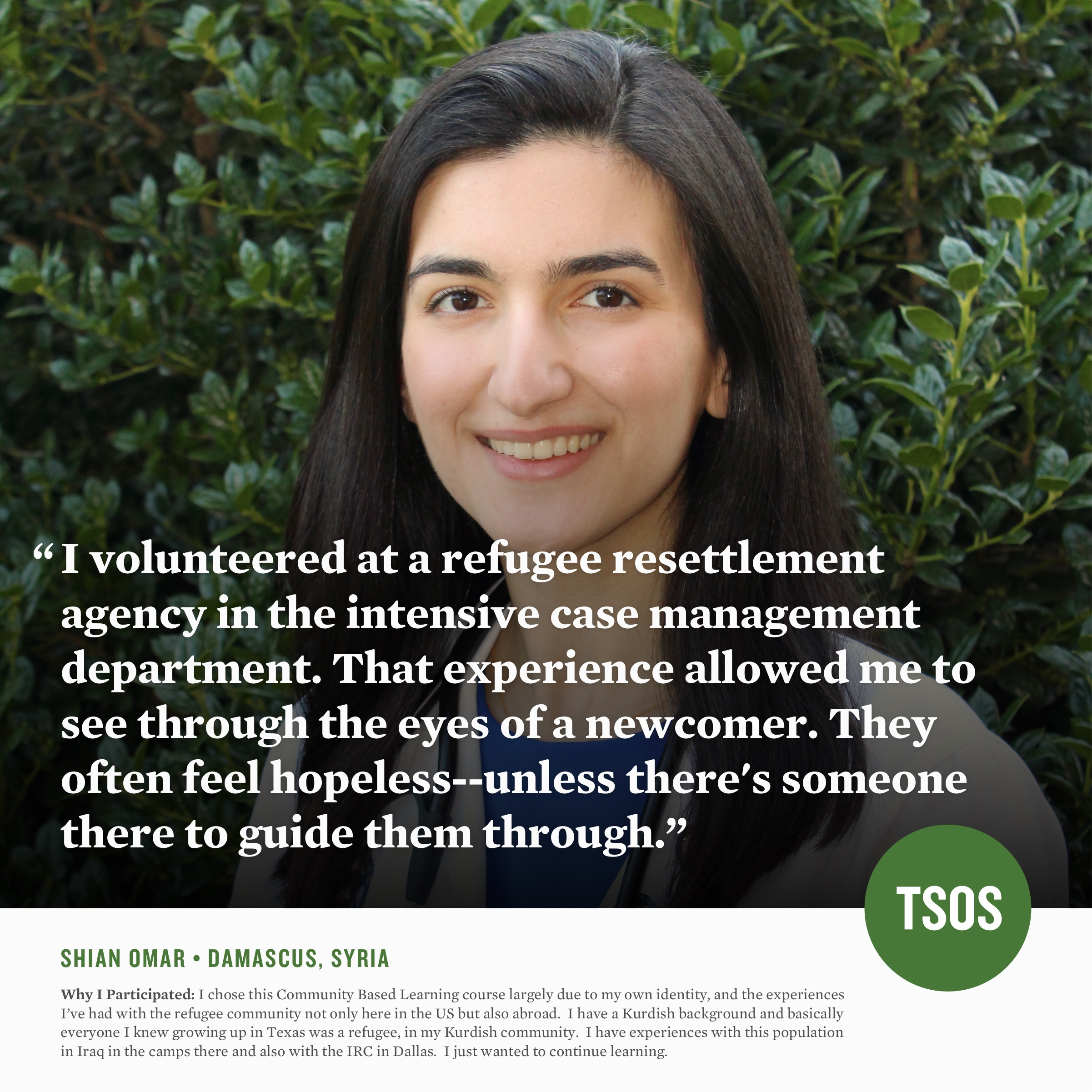
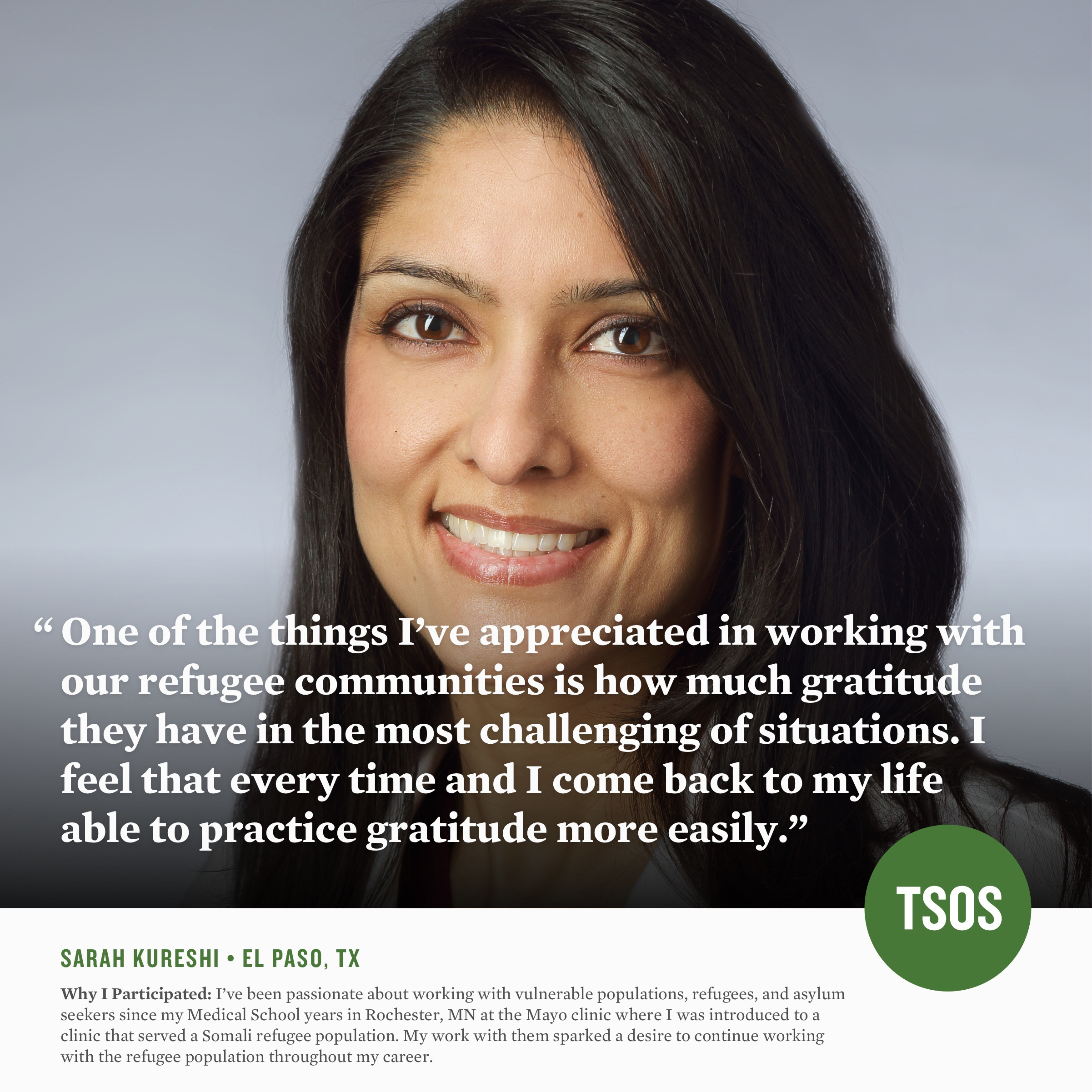
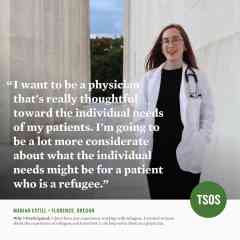
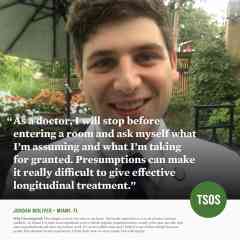
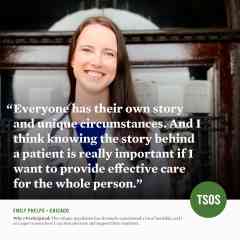
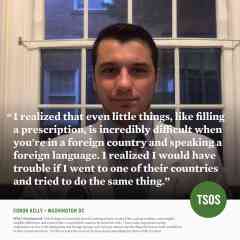
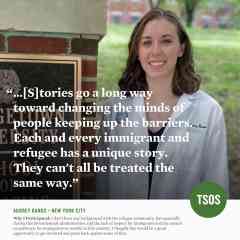
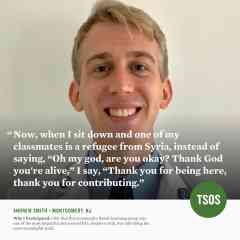
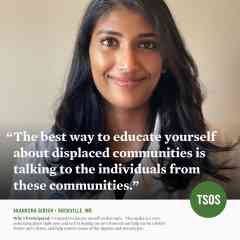
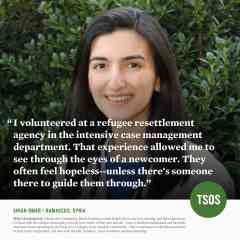
Since 2017, Georgetown University School of Medicine (GUSOM) collaborates with NoVa Friends of Refugees, a grassroots refugee support organization, to direct a course focusing on the medical needs of newly resettled refugees. Together with Catholic Charities, the Virginia Department of Health, and locally resettled refugees, students discuss resettlement, invisible barriers to services, and specific medical issues faced by refugee populations in the Washington DC area and identify a project they can positively impact.
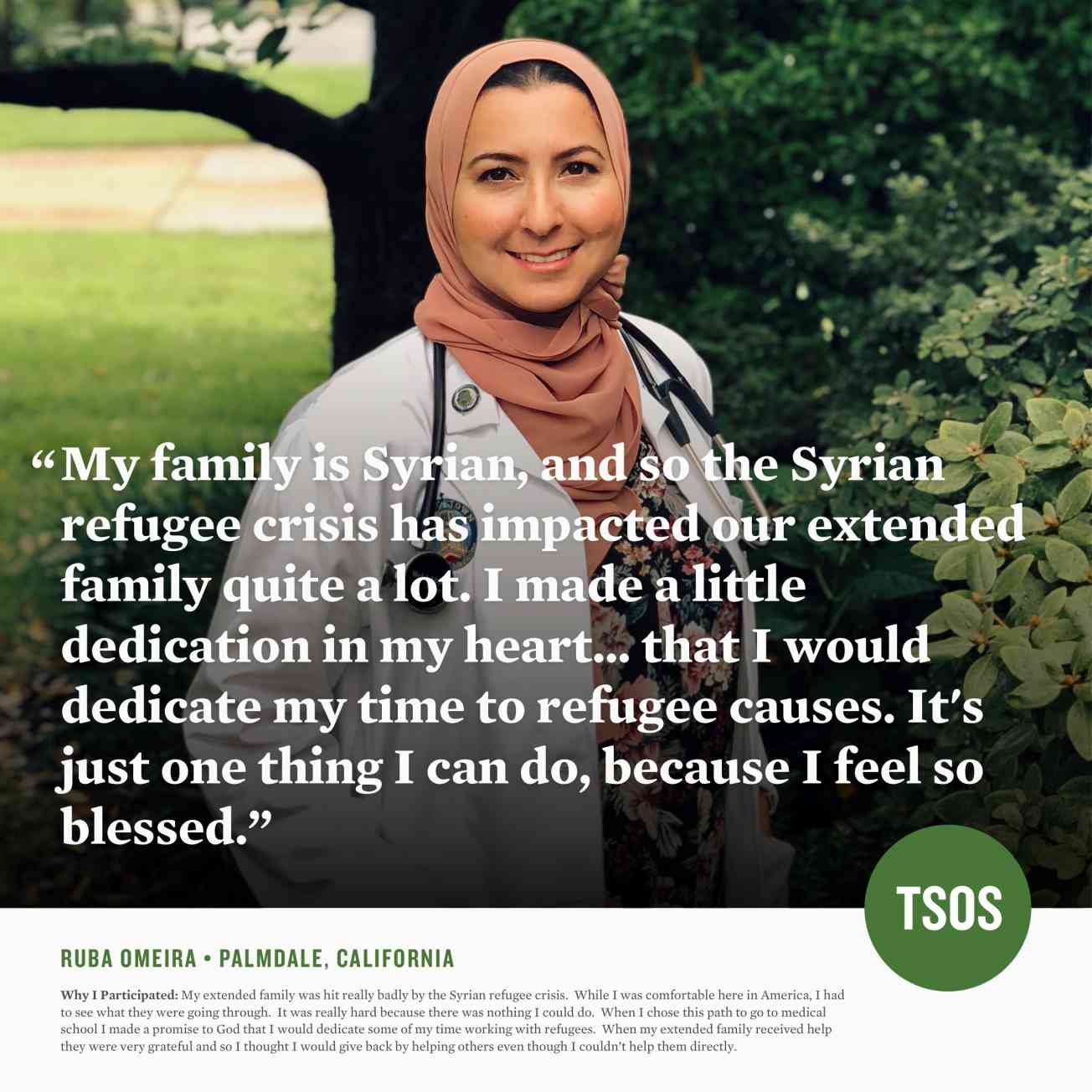
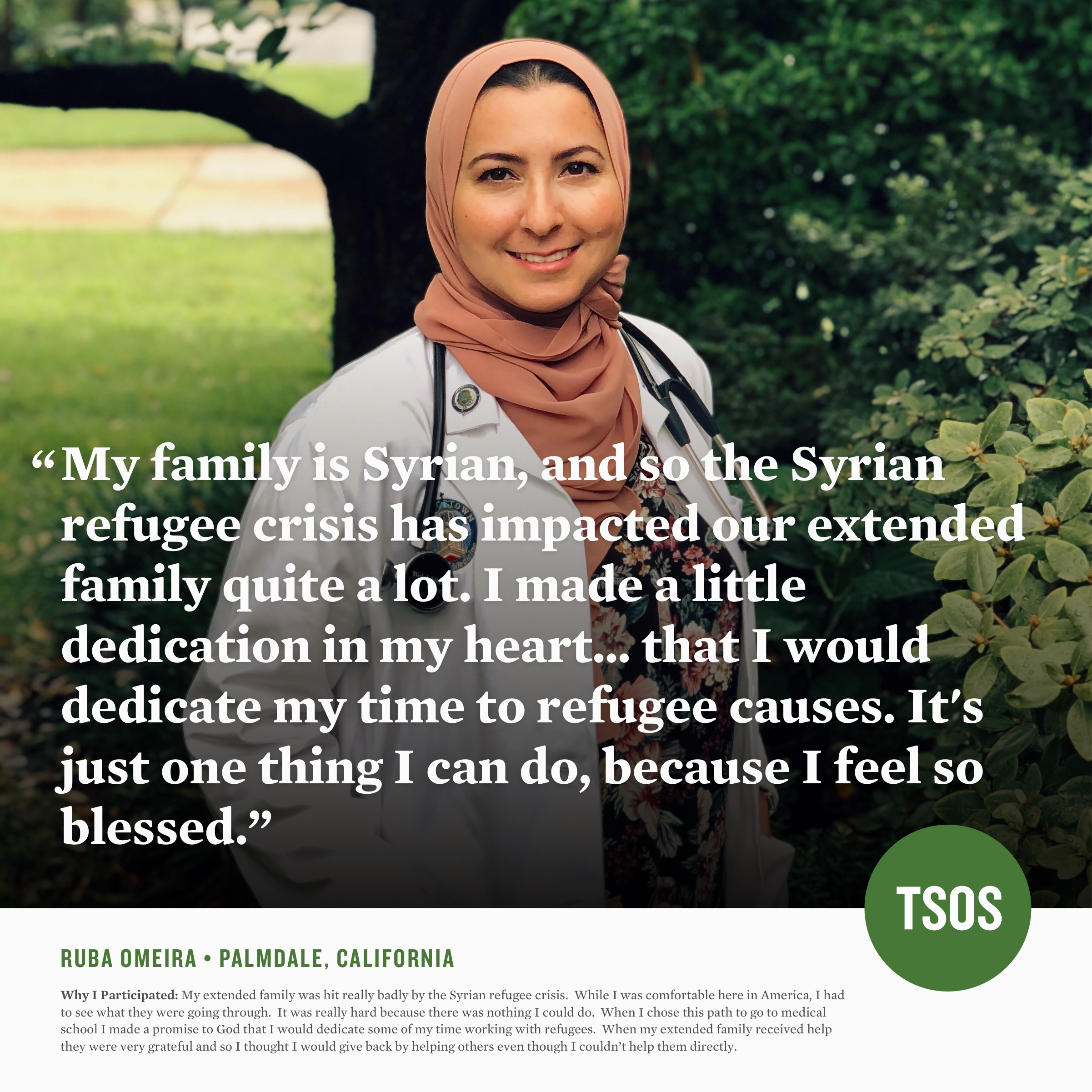
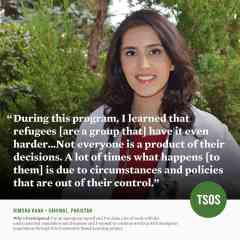
Ruba Omeira
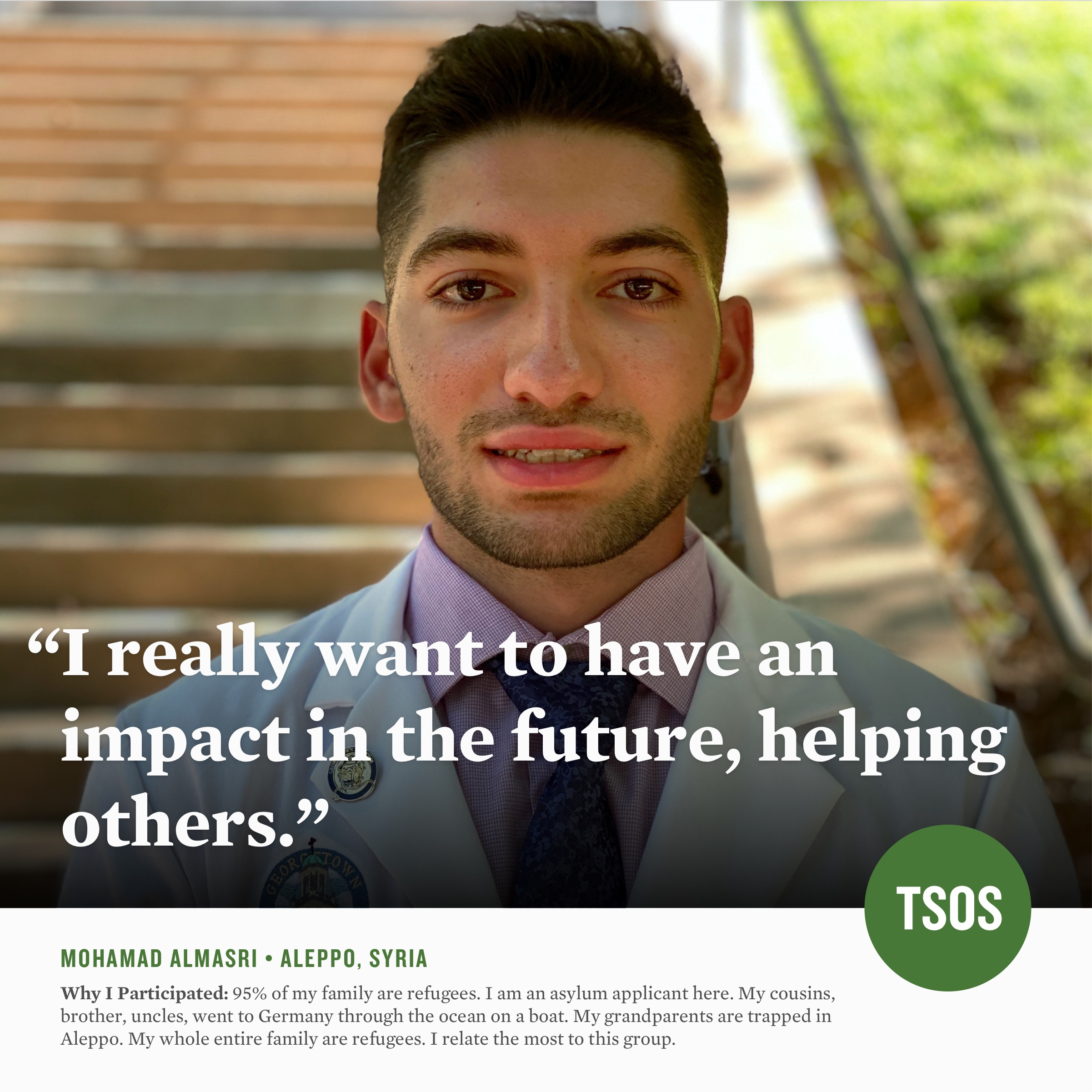
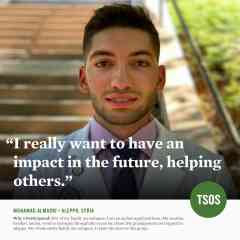
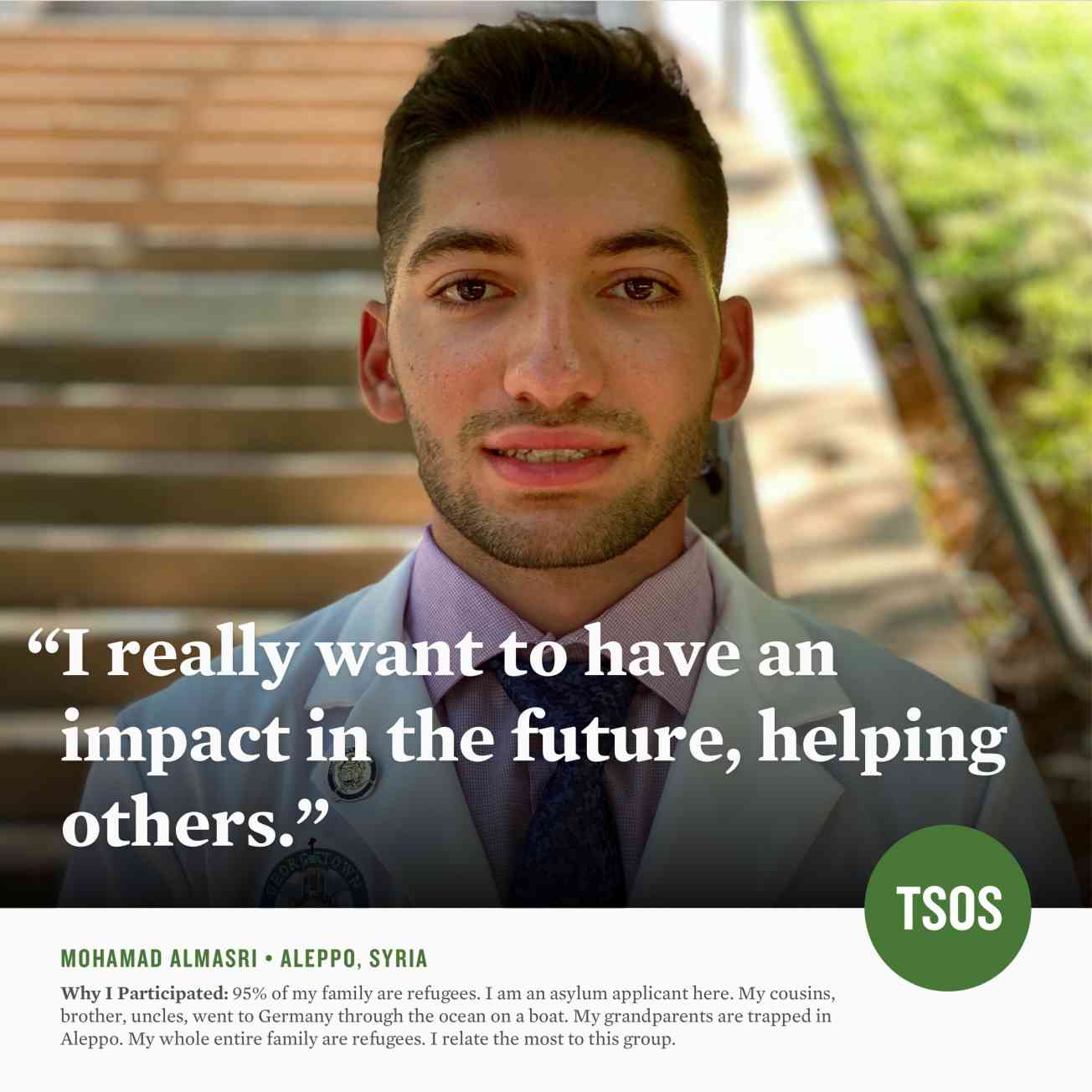
Mohamad Almasri

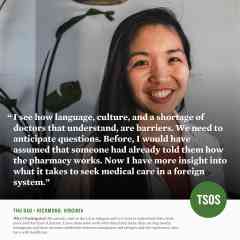
Recognizing how complex navigating the U.S. healthcare system is for those coming from other countries, over the years, the medical students have developed several projects including producing a series of videos to help explain in simple terms How To Visit the Doctor in the U.S. and How To Visit the Pharmacy in the U.S., as well as organizing a network of volunteers to assist refugees with specific medical needs to navigate the U.S. healthcare system.

Upon completing the course, these future physicians not only have a greater understanding of refugees’ experiences and needs but also are providing solutions for many of the challenges of successful integration.

Both are necessary components to providing quality and compassionate health care for newly-arrived refugees.

TSOS is pleased to document and support the 2021-2022 GUSOM NoVa Friends of Refugees cohort, in collaboration with the George Mason University refugees student organization Safe Haven Space, Northern Virginia Coalition for Refugee Wellness, and Catholic Charities Diocese of Arlington.

In response to the number of displaced Afghans who are and will be relocating to the greater Washington D.C. area, many of whom suffer from the effects of trauma, the class will be identifying a project which focuses on refugee mental health and wellness.

What would you do if you had to leave everything behind?

By the end of 2024, more than 123.2 million people worldwide had been forcibly displaced from their homes due to war, persecution, or human rights abuses.

An increase of 7.2 million over 2023, that’s more than 19,619 people every day — roughly one person every 4.4 seconds.

They arrive in refugee camps and other countries, like the US, seeking the one thing they’ve lost: safety.

Fleeing political imprisonment, ethnic violence, religious persecution, gang threats, or war crimes, they come with what little they managed to carry:

Legal papers – if they’re lucky.

A single backpack.

Sometimes a child’s hand in theirs.

They also carry the weight of what they left behind: fractured families, homes they’ll never return to, professions they loved, friends and relatives they may never see again.

They carry loss most of us can’t imagine – but also the truth of what they’ve endured.

At TSOS, we believe stories are a form of justice. When someone shares their experience of forced displacement, they reclaim their voice. And when we amplify that voice – through film, photography, writing, and advocacy – the world listens. Hearts soften. Communities open. Policy begins to shift.

That shift matters. Because when neighbors understand instead of fear…

when lawmakers see people, not politics…

when a teacher knows what her student has survived…

Rebuilding life from the ashes becomes possible.

We’re fighting an uphill battle. In today’s political climate, refugee stories are often twisted or ignored. They’re reduced to statistics, portrayed as national threats, or used to score political points.

The truth – the human, nuanced truth – gets lost, and when it does, we lose compassion.

We are here to share their truth anyway.

At TSOS, we don’t answer to headlines or algorithms. We are guided by a simple conviction: every person deserves to be seen, heard, and welcomed.

Our work is powered by the people we meet — refugees and asylum seekers rebuilding after loss, allies offering sanctuary, and communities daring to extend belonging.

Your support helps us share their stories — and ensure they’re heard where they matter most.

“What ultimately persuaded the judge wasn’t a legal argument. It was her story.”

— Kristen Smith Dayley, Executive Director, TSOS

Will you help us keep telling the truth?

No donation is too small — and it only takes a minute of your time.

Why give monthly?

We value every gift, but recurring contributions allow us to plan ahead and invest more deeply in:

  • New refugee storytelling and advocacy projects
  • Resources to train and equip forcibly displaced people to share their own stories
  • Public education that challenges fear with empathy
  • Local efforts that help communities welcome and integrate newcomers

As our thank-you, monthly supporters receive fewer fundraising messages — and more stories of the impact they’re making possible.

You don’t have to be displaced to stand with those who are.

Can you give today — and help carry these stories forward?

Add Impact to Your Inbox
Sign up for our emails to get inspiring stories and updates delivered straight to you.
Subscribe
© 2025 Their Story is Our Story Privacy Policy
Their Story is Our Story is a 501(c)3 Non-Profit Organization under the United States Internal Revenue Code. All donations are tax-deductible. Our tax identification number is 812983626.