Just Me and Rock Climbing
Getting strength from nature, rock climbing, and a strong motherhood figure.
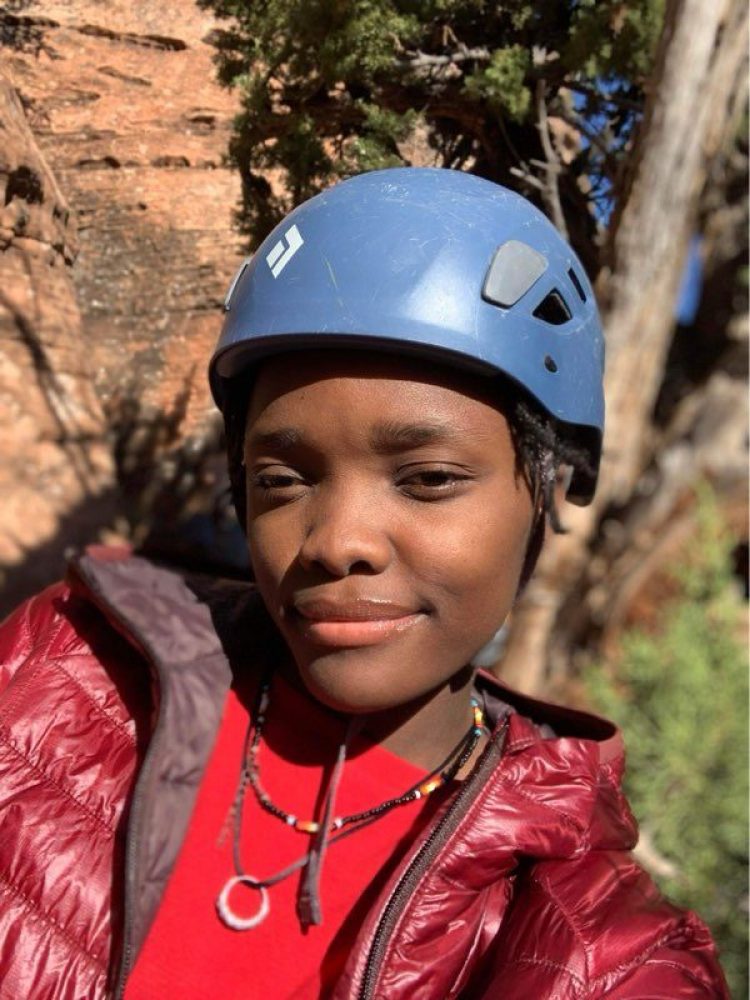
My dad gave me the name Hawa, it comes from Eve, from Adam and Eve. Both my mother’s mum and my father’s mum have the same name Hawa.
I was born in the refugee camp Kakuma, in Kenya. I had lots of friends who go to school together and walk to school, walk back home. Sometimes we would come back home really late, get in trouble and then do the same thing over again. Sometimes we would ask our parents for money to get food at school and we would share with everybody. It was really fun.
My mother told me about how they used to live in Somalia. It was a lot of war. They struggled getting food and there was no freedom. People would come to your house and kill your family in front of you and torture you. People wouldn’t go to sleep when you go to sleep. Her father was blind, and they killed him in front of her, they had to watch him die.
So they had to leave to protect their kids. They moved for a better life.
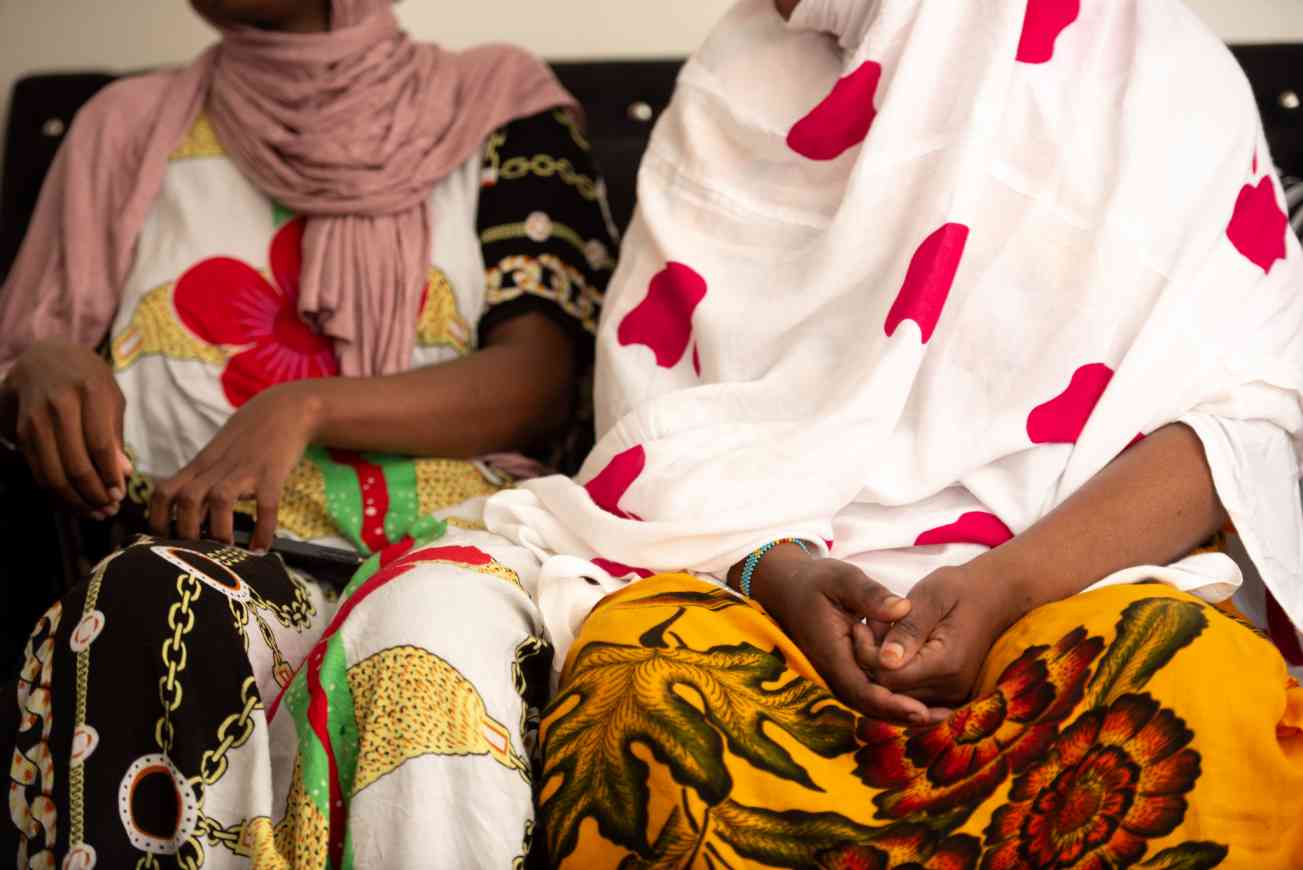
There was a camp in Somalia that was safe. My two oldest brothers were born there. After a few years, it wasn’t safe anymore and they moved to Tanzania. They gave birth to my other brother and then it wasn’t safe anymore and they moved to Kakuma camp. And then they had more kids, and I was born there. I have seven siblings. My mother raised them all by herself, my father would usually leave home early in the morning, come back late at night, and she would just be at home and make life with her kids. She had twins twice. She had to do that all by herself. I used to help her and take care of my siblings too.
In Kakuma, I was pretty young, so I didn’t know what was going on. We would go to places and fill out documents, take pictures, and I was just there following along. And then I knew last minute that we were moving to America. It happened very suddenly. We moved to Utah. My mum said that when she arrived here she was at peace. It’s different here, there’s nobody who’s going to come to my house and just torture me or kill my family. There’s no war and there’s food. She has some freedom.
I was in fifth grade when we moved, and I didn’t speak any English. It was pretty hard going to school not knowing the language, going to class and just sitting there being the quiet kid, everybody staring at you, not knowing what to say back when the teacher says something.
I was desperately trying to learn English, and so I just took matters into my own hands and just did my own thing, I read books and watched cartoons in English, and learned how to write and read. And from there I was just a pro.
There were a lot of kids from other countries, like Congo, Rwanda, Afghanistan, they were all learning English. And that was good, I was like, I’m not alone, I have people who are learning English too.
My teacher in seventh grade was a good friend. She always listened to her students no matter what the situation was. If you’re going through something, she was always there. Once I got in a fight with one of the boys in school. At that time I didn’t know how to speak English very well and he was trying to bully me and I fought back and got in trouble. I went to tell my teacher and she backed me up so I didn’t get in trouble. She was always there to back you up when something goes wrong or if you needed help.
She taught science, and talked a lot about plants, outdoors, rocks and how the mountains started and things like that. When she moved schools she gave me her number, and we became friends ever since then. We would go to her house with her dogs, go rock climbing together, hikes, camping trips, go out of state just to rock climb, out in the mountains somewhere. It was pretty fun.
Sadly, she passed away last April.
Now, I have support from a program called Embark. They help refugee women go climbing, camping and uplifting them, and we have a therapist we can talk to. Most of the girls in the program went through a lot. Some of them were raped, some of them had to see war, some of them left their families. The therapist is there if they need to talk to someone, to make sure they’re safe in this country. Rock climbing makes them forget about what was going on before, it makes them feel a little bit better.
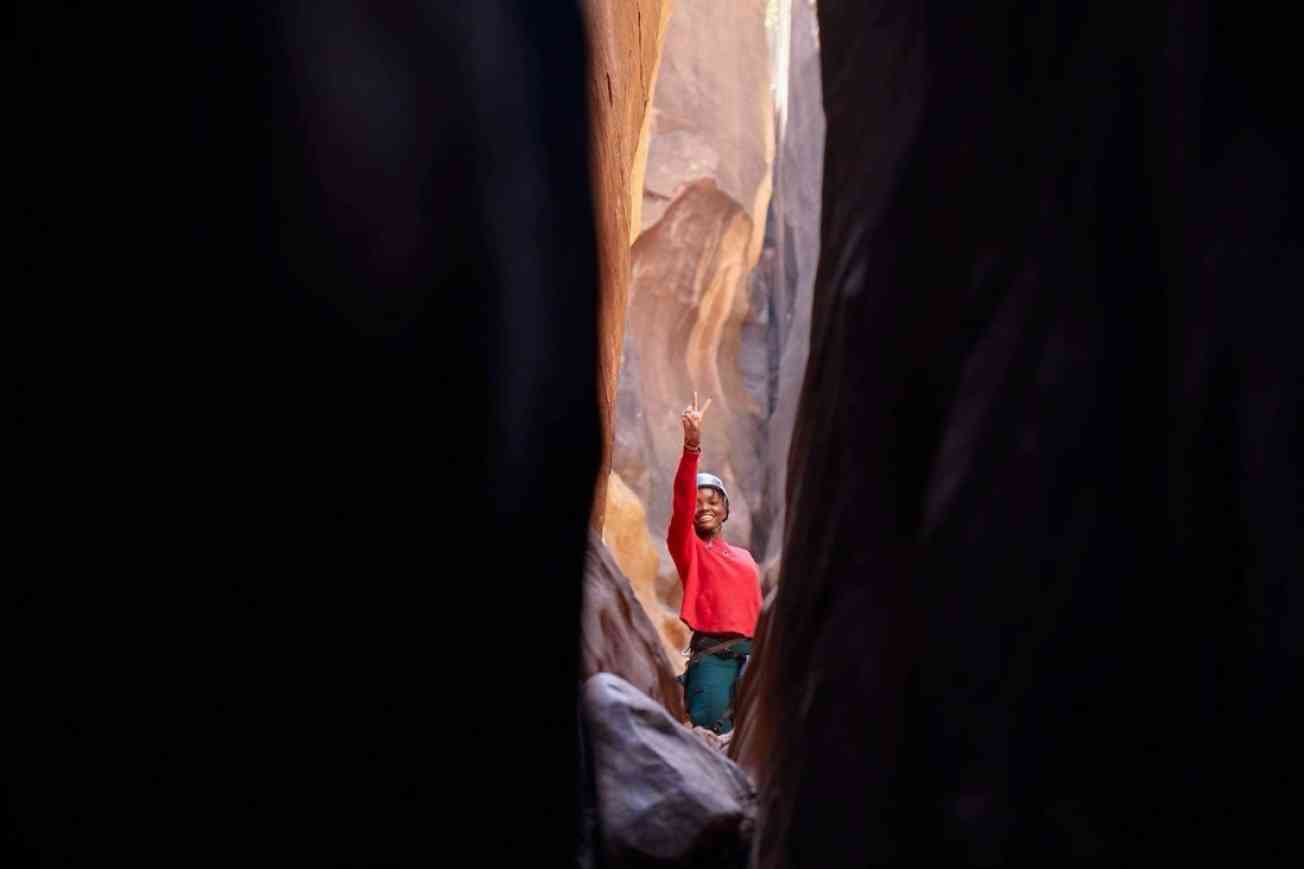
I’ve talked to the therapist sometimes, after the loss of our friends. I was pretty down, like you know, going downhill, it was really rough. I talked to her and things are getting better.
For me, climbing is like freedom.
The breeze is on my face. My hair is just flying and I’m just there, just me and rock climbing. When I get to the top I feel happy, like I made it, yay. It’s good to see the view. It’s really beautiful, the trees and the flowers.
One day I want to be like my teacher, just always there for you no matter what the situation. Also, I want to be a doula, helping mothers deliver babies, like my mother. This has always been my dream. When she gave birth to my younger sister, I was there to take care of her and feed her and change her. Ever since I was a child, I used to take care of my other siblings and my cousins, and I’m good with working with babies. I’m working on going to a program so I can get my certification.
My mother has told me about the birth experience. She says it’s hard, but also it’s nice, you know, when you get to give birth to your own child and to love… it’s a very strong love. And I just picked up from that.
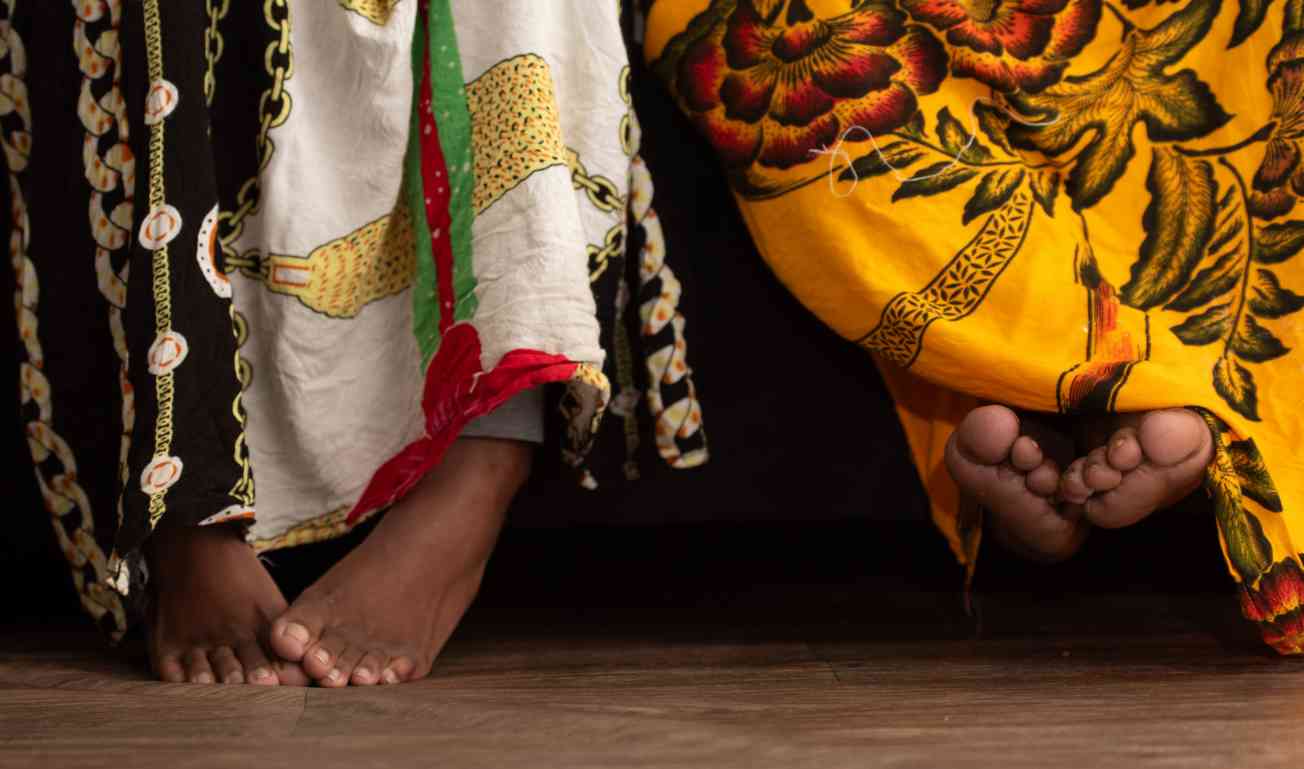
Our team members obtain informed consent from each individual before an interview takes place. Individuals dictate where their stories may be shared and what personal information they wish to keep private. In situations where the individual is at risk and/or wishes to remain anonymous, alias names are used and other identifying information is removed from interviews immediately after they are received by TSOS. We have also committed not to use refugee images or stories for fundraising purposes without explicit permission. Our top priority is to protect and honor the wishes of our interview subjects.