I Want to Depend on Myself
A refugee from Myanmar works hard to learn English and get educated in the US
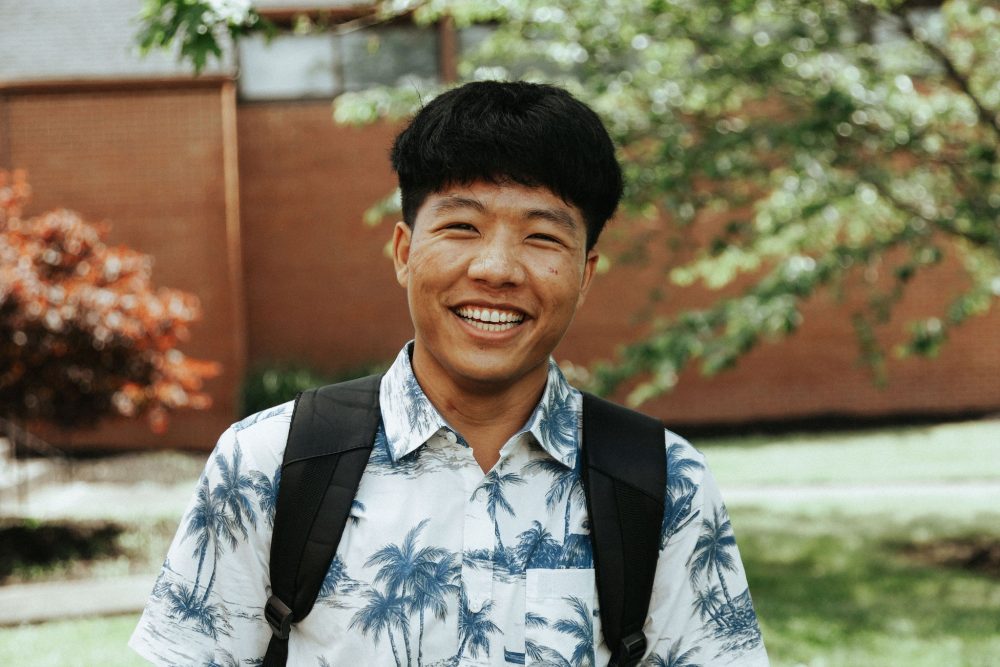
My name is Hau Lian Saang. I’m almost 21 years old. I came from Myanmar (Burma).
My dad is Chin and my mom is Burmese. So I’m half and half. Also my dad is Christian and my mom is Buddhist. They were in different parts of Burma. Then they met in Thailand. My mom got pregnant with me, and they went back to Burma. But they left again when I was in the first grade. I was seven years old. After that, they never went back. They walked to Malaysia, Then they applied to go to the US. My uncle was already here, and he welcomed them. My parents arrived in the US first. I followed them here by myself five years later.
When I first came, honestly I didn’t really like the US. I thought it was a little dry and I didn’t see any mountains. In my country, everywhere is green. You can see the mountains. I miss it being green all the time. In my country, I also lived beside a river. I miss the river. I didn’t live in the city, I lived in the village.
Now, my country is not good and not safe. There’s a 50/50 chance you will die. The military is everywhere, and the soldiers attack. So even though I miss some things about it, I don’t want to go back again, because it is not safe. We had to run away from soldiers. Sometimes an airplane flew over the valley, and sometimes they dropped bombs, exploding everywhere.
My grandmother is still in Burma. She’s 85 years old. I don’t know if she is safe because I can’t talk with her on the phone. I worry about her.
In my country I only went to school until the 9th grade. So when I came to the U.S, I had not finished high school. When I arrived, I was 18 years old. I tried to go to high school, but they said we can’t help you because your age is over 18.
So, that’s why I had to go to ESL classes. Now I’m attending the SKYCTC (Southcentral Kentucky Community and Technical College).
I am pushing myself to learn English, but it is tiring. Sometimes I get exhausted. But you can’t depend on a translator. You have to be able to speak for yourself.
I want to learn economics, like the stock market and currency. I learn about it from YouTube sometimes. I’m also interested in technology but in my country, if you are interested in something, no one cares. And no one can support you. So that’s why a lot of people lose their hobbies and interests. Here in America, I feel like I have support for my education.
The next thing I want to do is get my GED. Many people say that will be good for me. I’m taking evening classes but it’s difficult. There is a lot of unfamiliar vocabulary.
I’m always curious about how people learn English so quickly, and how they speak well. I’m always inspired by those people.
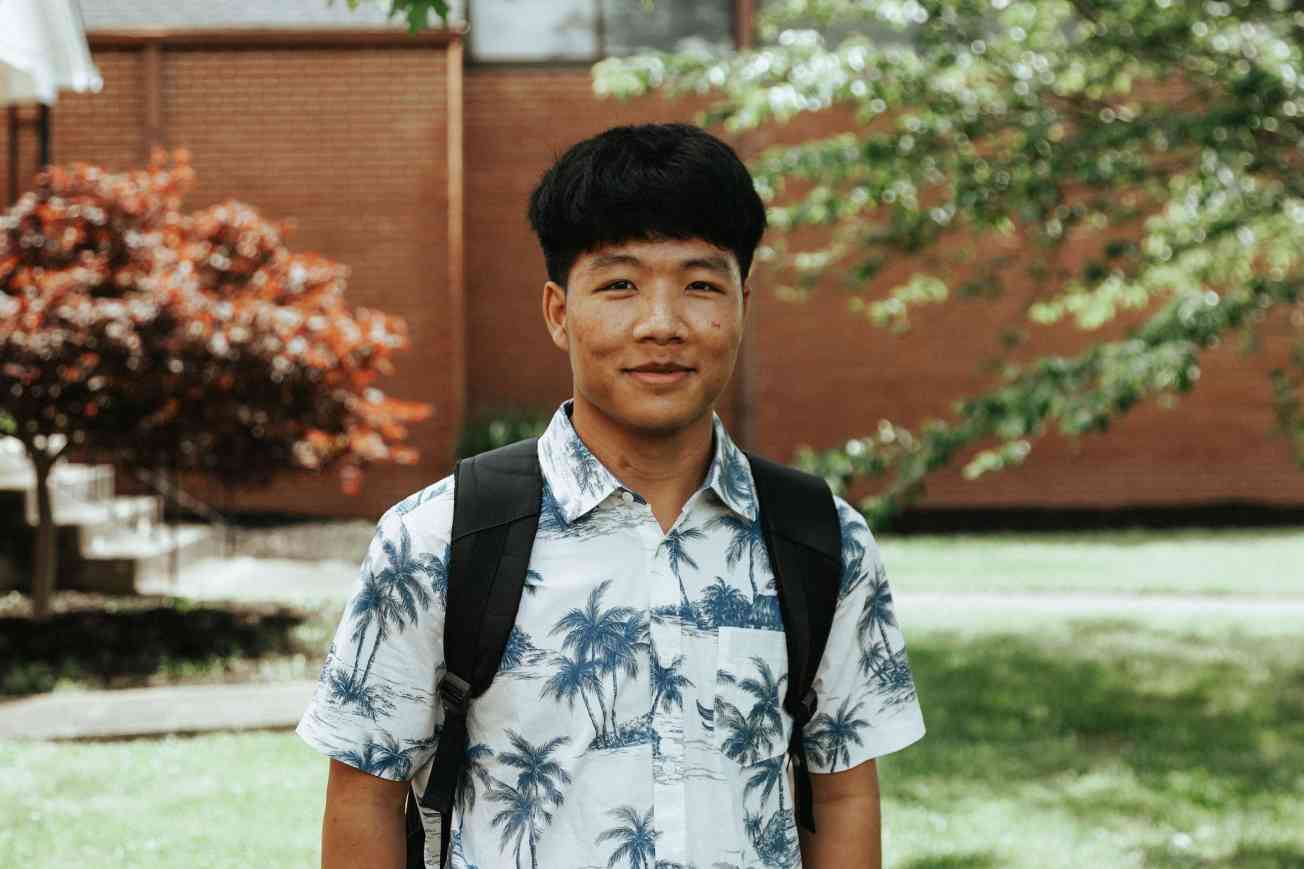
Every day and every night I try to improve myself. I don’t want to have to depend on anybody. I can do my best. Maybe that looks like pride, but I want to count on myself.
I can drive. I have my driver’s license. I took the test and failed the first time. The next time I passed.
I have my goals to pass the GED. And then maybe I will go to college. I have a family. We are Asian so we need to care for them. So I hope to be the first one to achieve a GED and then go on to higher studies.
I also want to travel. I hope before I get my citizenship, I can travel to all 50 U.S. states. On my bucket list is to go back to Burma, if it is safe. I hope I can see my grandma maybe. And Thailand and then Switzerland. My priority is Switzerland.
Sometimes it’s hard. Sometimes I feel like giving up, but if you give up, no one can help you. So you need to do it, whether it is hard or easy.
Our team members obtain informed consent from each individual before an interview takes place. Individuals dictate where their stories may be shared and what personal information they wish to keep private. In situations where the individual is at risk and/or wishes to remain anonymous, alias names are used and other identifying information is removed from interviews immediately after they are received by TSOS. We have also committed not to use refugee images or stories for fundraising purposes without explicit permission. Our top priority is to protect and honor the wishes of our interview subjects.