I Have My Right to Dream
I am Sonam, a refugee from Tibet who escaped oppression and brutality in my home country. In Tibet I could rely on my friends but the Chinese controlled our government and watched our every movement. The Chinese forced Tibet into separate regions so we could not unite and fight against them. Some Tibetans are influenced by money. China pays them to spy on their neighbors so I always had to be vigilant and careful what I would say. I couldn’t pursue my dreams in Tibet to get a good education and job. That’s why I came to France, where I can choose what I want to do and follow my dreams. Here in France I think I am in heaven. I have my rights. I have my right to dream.
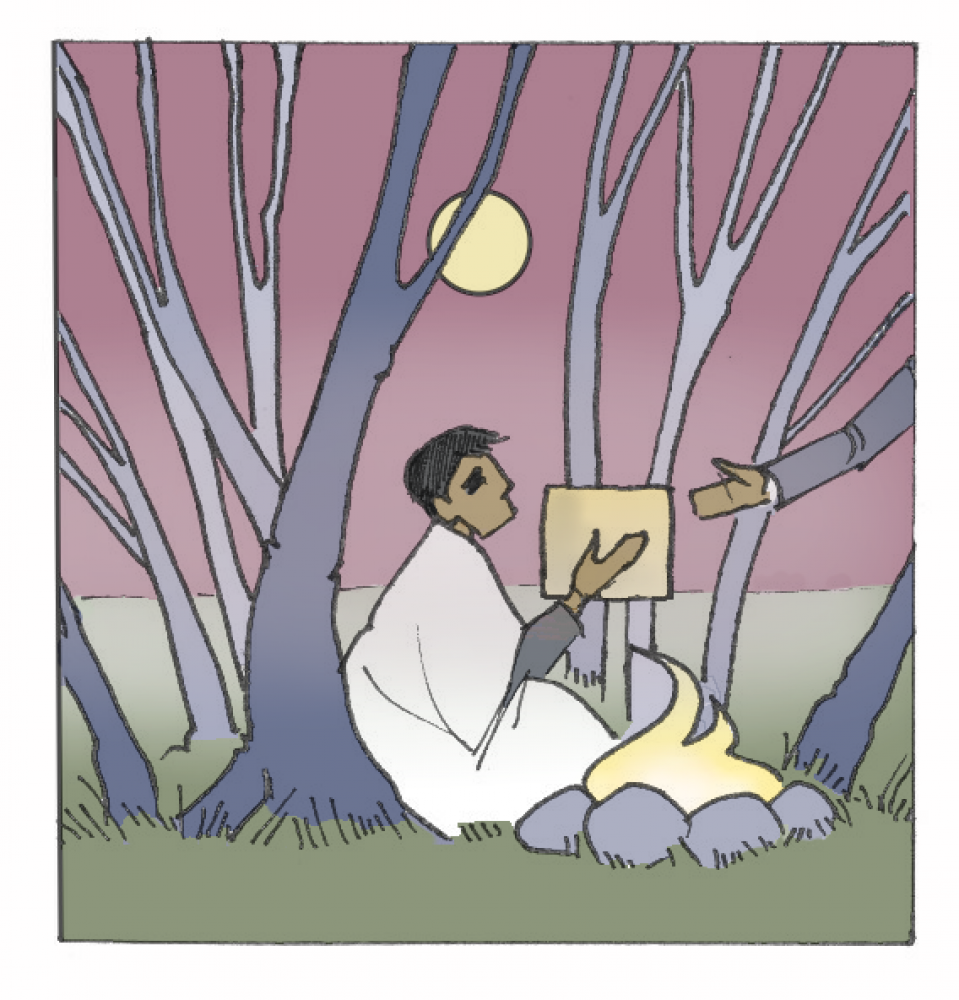
My first home in France was in the forest where living was quite difficult. It was hard to survive because we didn’t have money, blankets or enough clothing. When I came here it was almost winter and cold at night. We didn’t have electricity or lights. We couldn’t speak French and didn’t have a permanent home. We had to move a lot. But my ancestors were nomads who lived in the wild and my home in Tibet was in the woods where we had fruits and vegetables. I could survive in the forest. I want to thank the many volunteers who visited us in the forest and brought us food and clothing.
I soon learned that it was important for me to learn French. Learning French was necessary to be able to communicate with other people for social or business reasons like shopping for groceries or tickets and especially for making friends. I feel that friendship is important and new friends will help me learn a new language and get integrated into French society, and in the future will help me find jobs and continue my studies.
The most difficult challenge I faced learning French was that for about a year I didn’t have people with whom I could practice French. I can speak English very well but that didn’t help in France. Even though I started learning a little basic French, at first I didn’t have people who were able to help me. Learning from books is not enough. You have to be able to speak to someone daily, even if it’s in broken French which is not perfect. Once you start communicating with others you start to improve.
Eventually I started having success. Volunteers helped me learn. I took a language class and found people to speak with me. Some people didn’t have much patience but many did. Now thanks to the volunteers I speak French almost fluently. I’m told too that I have a good accent and speak very well.
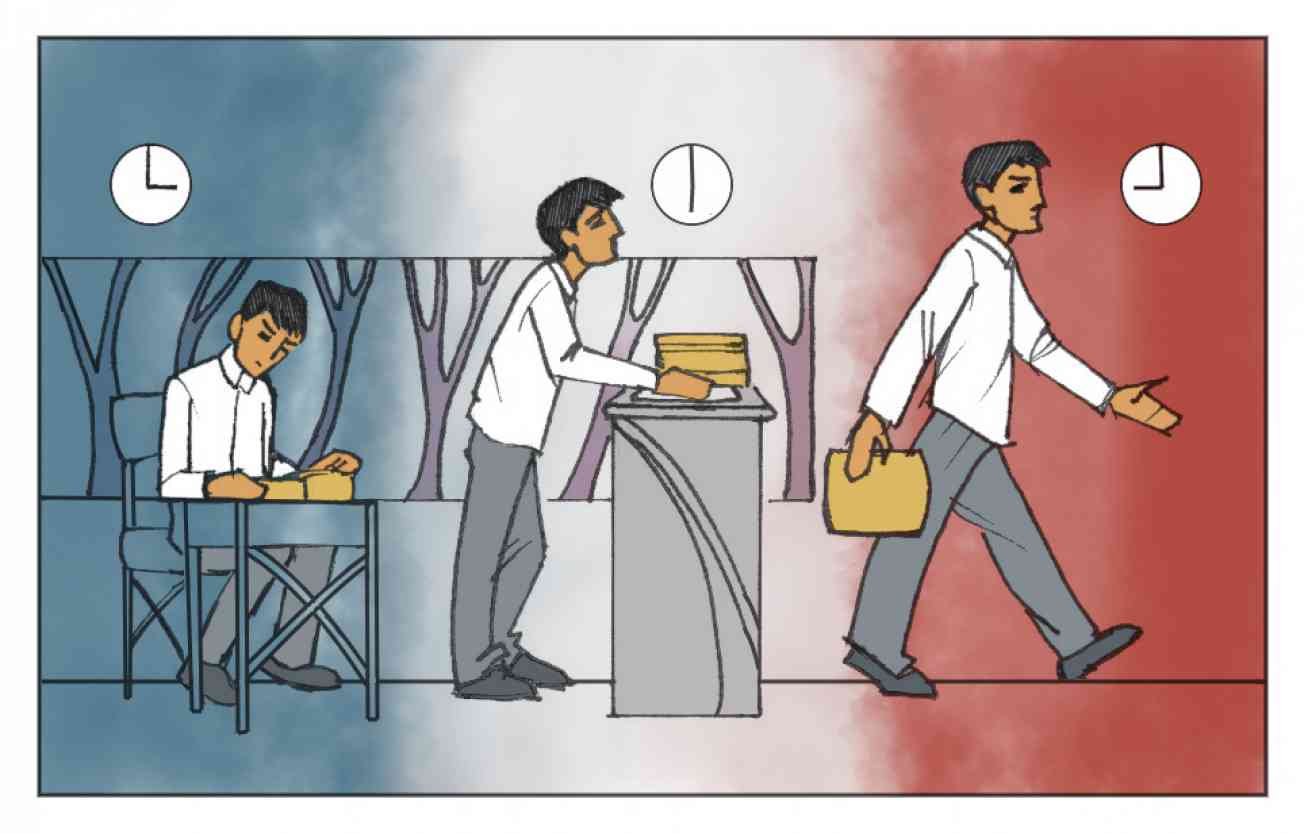
My goal is to pursue studies in what we call supply chain technology. Then I can get a good job. My language studies are now focusing on relevant technical terminology. My studies in Tibet, I’ve been told, are not recognized in France. I’ve passed an entrance test for this training but I don’t have the money to pursue these studies. I’m trying to get the money to pursue these studies from government agencies. If I can get the necessary money I will attend these classes at the next available term.
I have also been able to get a driver’s license, which I think will help me integrate into French society and have a little bit of a chance to give back what I have received.
I was asked, as a refugee, what is the most important message I would like to say to French people. Mostly I want to say thank you. I know that French people, maybe knowingly or unknowingly, help refugees by paying their taxes, and some of them engage in social work. But even those who are not part of an organization are actually helping a lot of people. Also, I especially would like to thank the older generations. I guess it’s because of them that France is able to support us. I think by now there are countless refugees in France. So thank you.
Note from the illustrator:
The picture of Sonam in the forest has colors based on the Tibetan flag. A hand is outstretched to help him as he receives supplies in the forest. As he studies French and completes paperwork in refugee offices he is now doing this with help from France. The picture of him going through the process has colors based on the French flag. The woods are still in view. Items given to him to help him are gold in color, like the package he received in the woods. The clock indicates the passage of time. When he is on his feet his hand is outstretched to others because he is now able to give advice and comfort to other refugees, as well as offer service to new employers.
Our team members obtain informed consent from each individual before an interview takes place. Individuals dictate where their stories may be shared and what personal information they wish to keep private. In situations where the individual is at risk and/or wishes to remain anonymous, alias names are used and other identifying information is removed from interviews immediately after they are received by TSOS. We have also committed not to use refugee images or stories for fundraising purposes without explicit permission. Our top priority is to protect and honor the wishes of our interview subjects.