Home, for Me, Isn’t Just a Place; It’s Where I Feel Connected and Safe
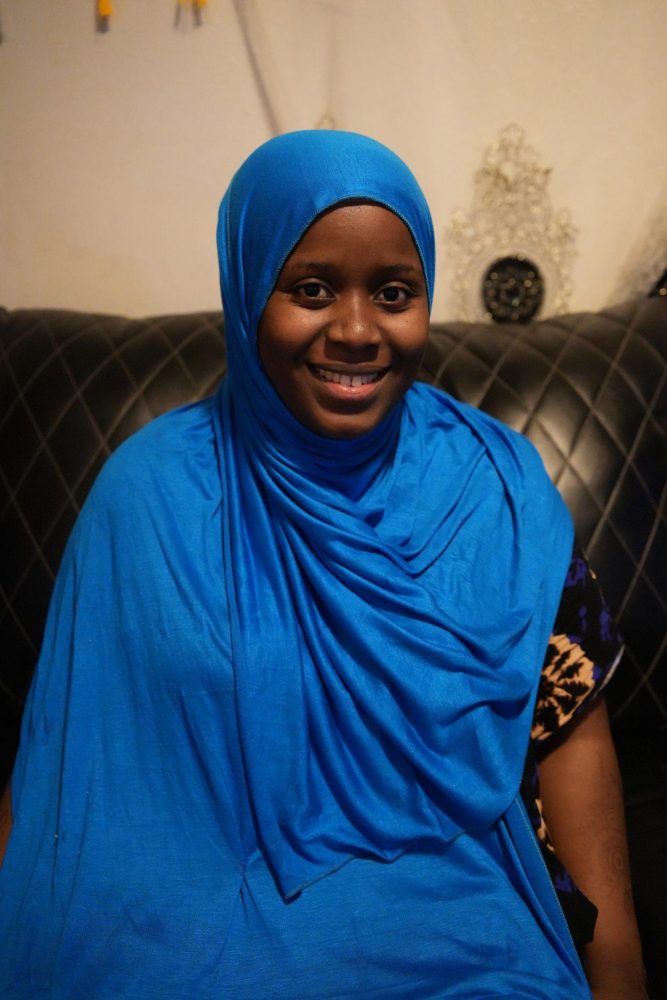
My name is Shamso. It means “the sun” in Arabic. My life has been a journey - a mix of challenges, joys, and the resilience of family.
I was born in Nairobi, Kenya, but when I was five, my family moved to the United States, chasing dreams of safety and opportunity. Kansas City became home, and for almost 18 years, it was the backdrop to my life. Even when I got married and moved to Kentucky briefly, Kansas City called me back. It’s where I feel grounded, close to my mom, Amira—her name means “princess” in Arabic—and where my story keeps unfolding.
Kenya is still vivid in my memory. As a child, life there was free and carefree. We’d play outside until the sun dipped and our moms called us back inside. There was no curfew, no strict schedules, just the laughter of children and the wide-open spaces of Nairobi. But life wasn’t all easy. War in Somalia had forced my family to Kenya, and then more instability pushed us to seek refuge in America.
My parents were determined that we’d all make it together. They refused to leave any of us behind, even when the odds were stacked against us.
Coming to America was overwhelming. The journey itself was a test of endurance. I remember nearly being left behind at a hotel during one of the many stops before we reached Kansas City. My parents did a headcount just in time. It’s funny now, but back then, the thought of missing the bus—knowing it could be another year before another opportunity—was terrifying. Even once we arrived, life wasn’t immediately easy. I didn’t speak any English, and everything felt foreign, from the food to the loud explosions of fireworks on the Fourth of July. I laugh now thinking about how my mom had us hide under the bed, mistaking the celebrations for something far more dangerous.
But, Kansas City eventually became home, thanks to the help of organizations like Della Lamb. They provided support, translators, and a sense of community. My ESL teachers were incredible. They believed in me even when I didn’t believe in myself. Learning English was tough. I wanted to give up so many times, but they kept encouraging me. Now, people tell me I speak perfect English, though I wish I had kept more of my native accent. It’s important to me to hold onto my culture, and I try to teach my kids our language, Maay Maay. It’s a work in progress—they understand more than they speak, but I’m hopeful.
Family is everything to me. My mom is my best friend and the reason I can’t imagine leaving Kansas City. She’s an incredible woman—strong, loving, and always putting her kids first. She had ten children, though one passed away before me, and she’s always been our anchor. Even now, if my kids are driving me up the wall, I can count on her [my mom] to step in and give me a break. She loves her grandkids fiercely and keeps us all close, even if it means Facetiming us multiple times a day to check in.
I met my husband at a wedding. It was unexpected—one of those moments you don’t see coming but changes your life. We’ve been married for almost nine years now, with four beautiful children: three girls and one boy. I joke about wanting more boys, but the truth is I adore them all. My husband is a truck driver, and I lean on my mom a lot for help with the kids, especially when I need a breather.
I never finished college, even though I was just one class away from becoming a medical assistant. Life had other plans, and after getting married and starting a family, my priorities shifted. Over the years, I’ve worked different jobs—at Wendy’s, as a youth assistant, and even at Della Lamb’s daycare. Each role taught me something about patience, perseverance, and community.
Home, for me, isn’t just a place; it’s where I feel connected and safe. My parents worked hard to build a life here, buying their own home and creating a foundation for us. I dream of owning my own home too, close enough to my mom so she doesn’t have to worry about transportation—she never learned to drive. She tried once but gave up after mixing up the gas and brake pedals. Now she relies on us, saying, “Why should I learn when I have you all?”
Looking back, I feel so grateful for the path we’ve traveled. We were lucky to come to the U.S. together, as a family. Many people don’t have that chance. Even today, there are families torn apart by war or migration.
My mom taught me to value every opportunity, even voting. She’s passionate about it, even when others tell her it doesn’t matter. “Every voice counts,” she always says. And she’s right. Our story, our presence, it all counts.
I hope to pass on that resilience and pride to my kids. They’re growing up in a world so different from the one I knew as a child in Nairobi. But I want them to understand where we came from and the strength it took to get here. That’s why I teach them both our language and our history, reminding them of the sacrifices their grandparents made.
Life isn’t always easy, but it’s beautiful in its own way. We’ve survived, we’ve thrived, and we’ve stayed together. And that, to me, is everything.
Our team members obtain informed consent from each individual before an interview takes place. Individuals dictate where their stories may be shared and what personal information they wish to keep private. In situations where the individual is at risk and/or wishes to remain anonymous, alias names are used and other identifying information is removed from interviews immediately after they are received by TSOS. We have also committed not to use refugee images or stories for fundraising purposes without explicit permission. Our top priority is to protect and honor the wishes of our interview subjects.