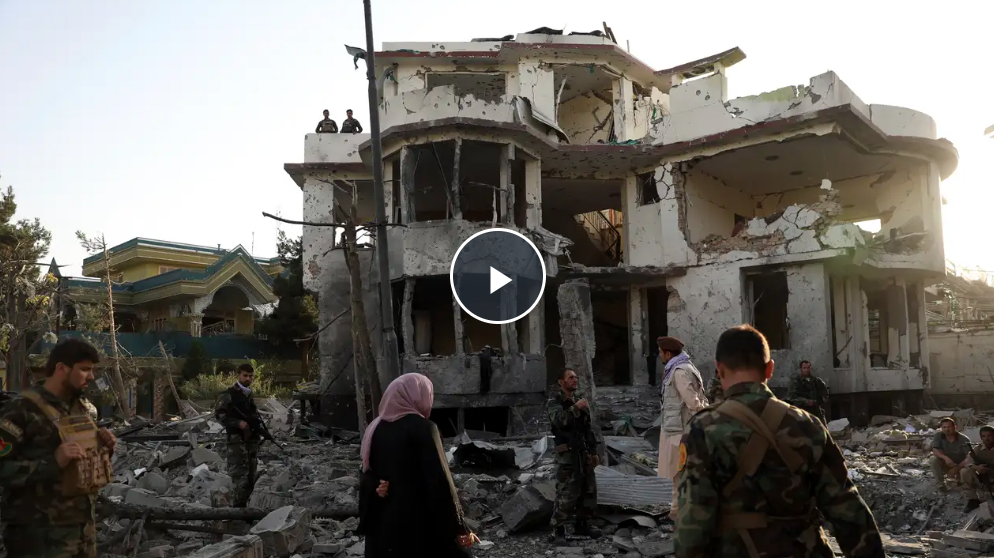
Through the connections made by the TSOS Community Programs team, we were able to connect Yalda Royan, refugee from Afghanistan and founding member of the Afghan Women’s Advocacy Group, with Julie Rose to be interviewed for this powerful episode, “When is War Justified?”
“Most Americans have never fought in a war, or even had our lives disrupted by one. Does being so far removed from the loss and trauma make us more willing to send our military into battle? This is the first of two episodes we’re dedicating to thinking more deeply about the consequences of war. Rarely is going to war clearly the right or wrong choice. When is war justified? We’re hoping that, by really embracing the nuance here, we’ll be more clear-eyed as citizens and voters the next time America has the choice to fight.“
As a follow-up to this interview, the TSOS Story Production team will now reference Yalda’s powerful thoughts and experiences to produce her story for the Global Refugee Archive.
Helping ITPs Succeed: Insights from Leading Support Programs
Partner Profile: No One Left Behind
Their Story is Our Story and No One Left Behind (NOLB) joined forces in 2025 to launch the StoryShield program.
We spoke with Matthew Marcellus, Director of Communications with NOLB, and asked what the partnership with TSOS has meant for his organization and their Afghan clients.
Context with Layma
Social media presents us with an endless scroll of headlines and ‘hot takes’. What’s often missing is context. What is the history that led up to an event? Whose interests are served by a certain policy? What effects is that policy having on people’s lives? Layma Murtaza produces and hosts the video series “Context with Layma”, featured on Their Story is Our Story’s social media channels. We spoke to her about the context of her own life, as an Afghan-American and a professional in humanitarian aid, that led her to use storytelling to illuminate the personal and political context behind the headlines.