I went school shopping this week. Twice.
The first time I was with my two boys. I reveled in the 16-year old’s confidence, but quietly marked the anxiety of my 13-year-old. He will be starting High School this year. He is bright, sincere, and aware of how important it is to fit in. I secretly thank the powers that be that he has grown over 11 inches this summer - he won’t be easy fodder for bullies. If he is, his brother’s street cred should help him through until he finds a friend group. Good friend groups are every mother’s dream for her children.
The second time I went school shopping was with Natalya’s girls. A week ago they were evacuated from Donetsk. They were allowed one suitcase each - not more than 23 kilos (50 pounds). Amidst the bombing and several terrifying transports through a myriad of bomb shelters, they made a final decision to evacuate their home forever when their President warned that Russians would soon have full control of their homes. We’ve heard the stories, but they are living them.
In one week, they packed their suitcases full of their most important items (not clothes), and now they are here - in rural Montana, preparing to start school. Veronika is in fifth grade and cautious about the clothes at the Heart Locker (a non-profit that provides gently used clothing and school supplies to homeless kids in the area). There are a few tops that might work, and she was giddy that the gifted backpack had a paint set in it. Sergei asked if he might have some paper to use at home. I heard the lady say “no, the paper is only for children.” I added another ream to the daughter’s backpack.
Sofia looked carefully at the back packs then turns to me and cautiously asked, “What kind of backpacks do the kids use at school?” I thought of my son’s beloved “cool” backpack, and the new one that my freshman chose at the beginning of the summer (a clever end-of year sale item), and my heart broke for this young girl who is bright, sincere, and aware of how important it is to fit in. She is tiny and vulnerable with few English skills. She will be starting school alone, tackling a new language, a new alphabet. What good friend group will take her on? Even this bright child could have her lights dimmed by the challenges before her.
We can buy notebooks, pencils, backpacks, and fill out the free-lunch and breakfast waivers, but the essential part of school is belonging. We’re petitioning to have the family transfer to our school where I know the teachers and administration and have some chance to help the family navigate the classes, but I am mindful of the hundreds of new students starting school this fall. Who will advocate for them, make sure they get some ESL, understand how to get lunch, where to sign up for the activities that might help them feel joy in their new home?
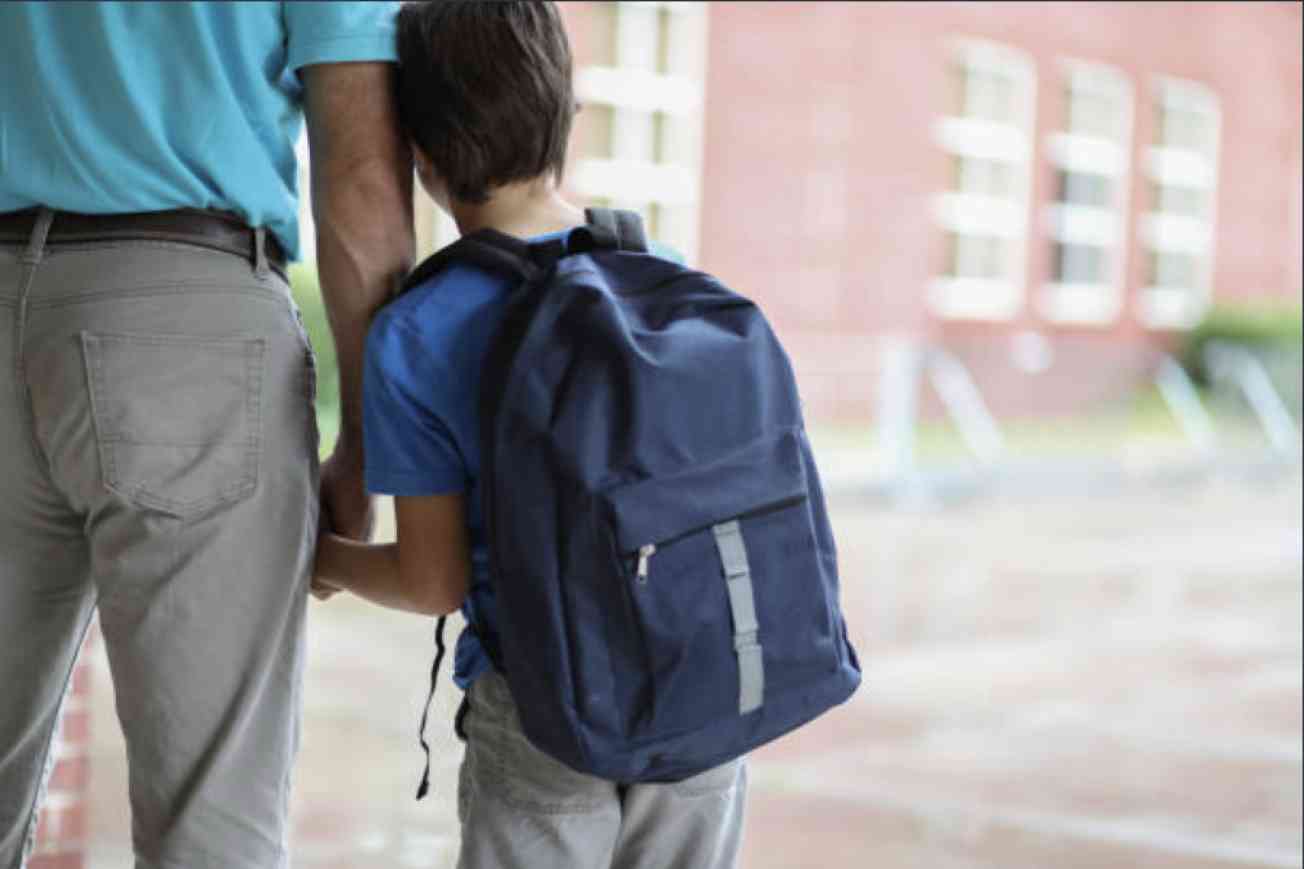
Then there is the Venezuelan family living in our town’s homeless shelter. Their 15- and 16-year-old daughters are being encouraged to skip school, work to support the family’s resettlement. If these girls don’t jump through hoops of days of paperwork, re-vaccinations, visits with local ICE officers(a 3 hour drive each way), they run the risk of tens of thousands of impoverished, uneducated newcomers in the US who fall prey to some form of human trafficking.
Belonging is such an important part of resettlement, but in these “Back to School” days, it is important to note that education is a vital step in self-actuation, that helping schools recognize best practices in supporting ESL is the basis of building communities full of strong and capable citizens with skills that will provide societal dividends.
In Montana, the first day of school is Wednesday, we are a state just beginning to understand the steps of this process.
Vulnerable children are more susceptible to Human Trafficking. Learn what the schoool community can do to help protect them.
Office of Safe and Healthy StudentsHelping ITPs Succeed: Insights from Leading Support Programs
Partner Profile: No One Left Behind
Their Story is Our Story and No One Left Behind (NOLB) joined forces in 2025 to launch the StoryShield program.
We spoke with Matthew Marcellus, Director of Communications with NOLB, and asked what the partnership with TSOS has meant for his organization and their Afghan clients.
Context with Layma
Social media presents us with an endless scroll of headlines and ‘hot takes’. What’s often missing is context. What is the history that led up to an event? Whose interests are served by a certain policy? What effects is that policy having on people’s lives? Layma Murtaza produces and hosts the video series “Context with Layma”, featured on Their Story is Our Story’s social media channels. We spoke to her about the context of her own life, as an Afghan-American and a professional in humanitarian aid, that led her to use storytelling to illuminate the personal and political context behind the headlines.