Truth in Exile: The Journey of an Afghan Journalist
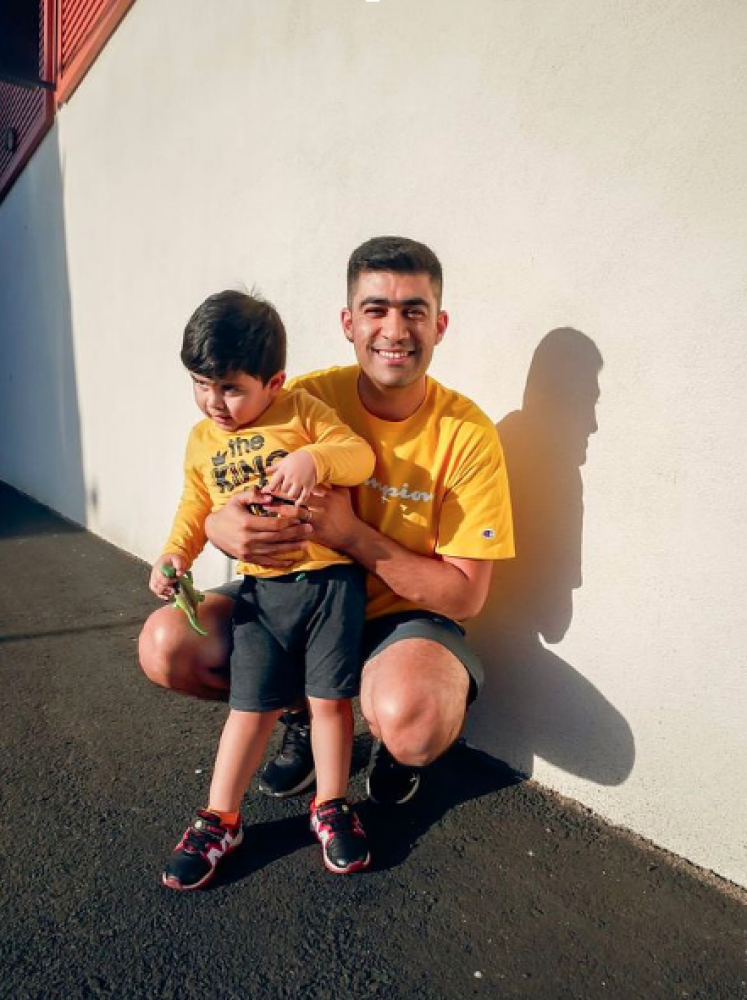
My name is Shahanshah, which means a king of kings, kind of like a challenger. I think my father chose the name.
When my father graduated high school he did an interview with the governor and was accepted into the medical field. However, because of the Afghan Russian war he couldn’t continue.
Initially, I also wanted to be a doctor, but I didn’t love it so I changed my career to journalism. A lot of people said I was good at journalism because I asked a lot of interesting follow- up questions. I was able to tell people what was going on politically through my journalism. I always did my best to portray the truth in my writing.
Sometimes people don’t like the truth and they want to push fake news.
There were times when I would report on corruption and would get calls from political people within the Taliban. Despite the pushback I always made a point to tell the truth so people had transparency. I wanted everyday citizens to be aware of the corruption happening behind the scenes.
Before the Taliban, my childhood was lovely because we have a big family. Every two or three weeks we would go to our grandfather’s house. My mother was a teacher at a girls school and it was really fun for us to work with her. We would all do a lot of cooking. My family was the center of my world.
I have a lot of good memories with my family during the holidays. My grandma would prepare homemade treats. We would also get money as a gift, similar to how Santa gives presents in the U.S.
In my province back home we celebrate something called Nowruz. We are Muslim, but our subculture celebrates this holiday. We went to the desert during this time and saw some really pretty red flowers that only come in the spring. We also celebrate Ramadan and Eid.
Under the Taliban Nowruz is no longer allowed. They changed everything.
They halted Afghanistan’s progress.
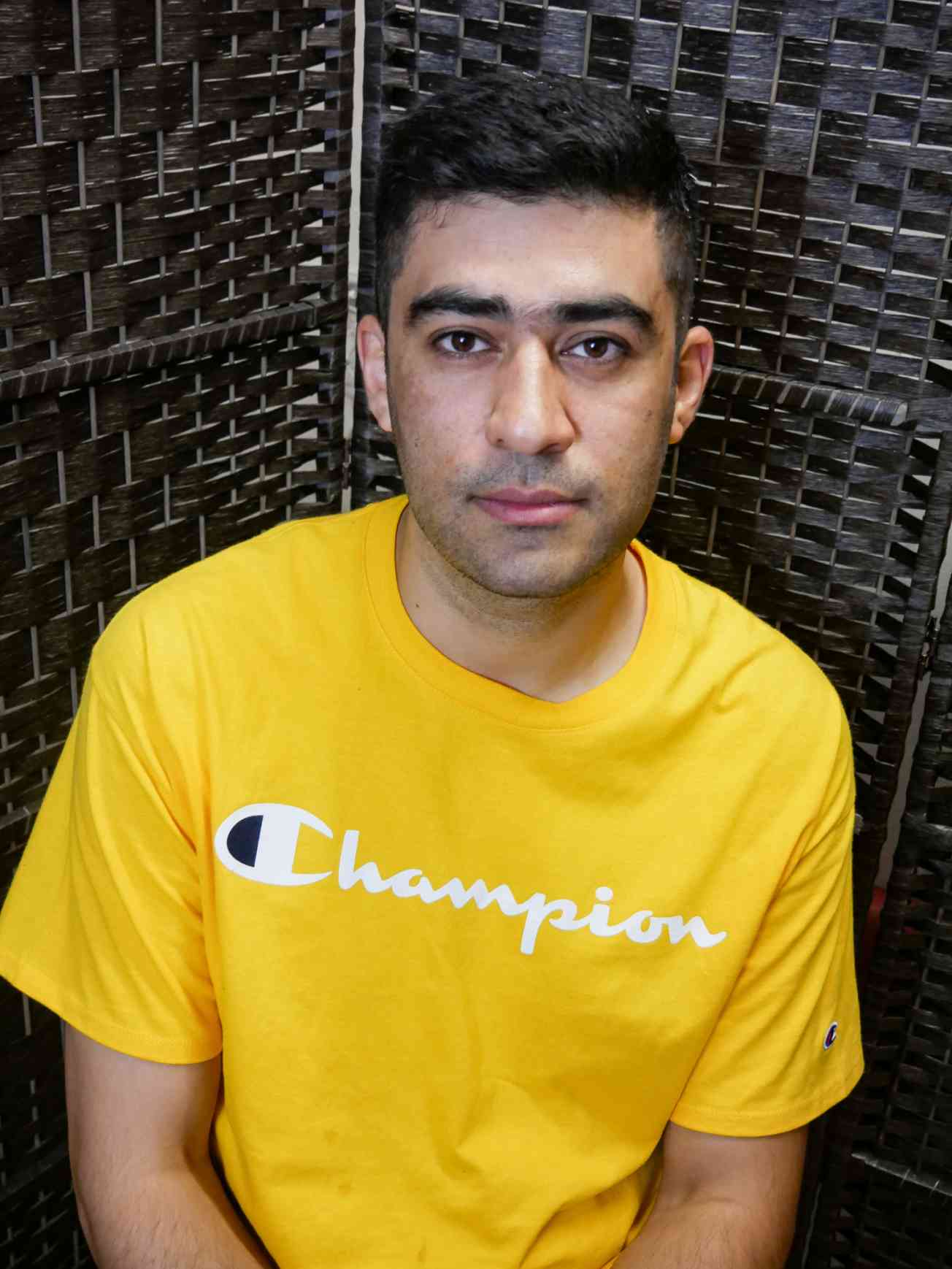
It’s traumatic for my family.
My wife and two kids are in the U.S., but my father and brothers and sisters are still in Afghanistan.
Because of the situation in Afghanistan I can’t talk with my family very much.
However, we knew about the turmoil well before we decided to flee because I realized our defense strategy in the military wasn’t well done. Everytime we were on the defense and someone attacked, we lost.
But it was someone breaking into my wife’s office and destroying her tools that finalized our decision. My wife was a doctor at a Dermatology Clinic and was well known for her work. After we found out the Taliban invaded our privacy and destroyed our things we left with two bags and our one year old baby.
The journey to the U.S. was hard. It was challenging leaving our life behind.
When I came to America I wanted to contribute to society and find a job where I could help the people. I started working for the IRC (International Refugee Committee) as a mental health specialist. Yesterday was my one year anniversary with the IRC. I am able to educate other refugees and relate to them when it comes to trauma, culture, and language. This job is very fulfilling to me because I feel like I’m really helping people.
*Shahanshah recently earned his mental health specialist certificate.
Our team members obtain informed consent from each individual before an interview takes place. Individuals dictate where their stories may be shared and what personal information they wish to keep private. In situations where the individual is at risk and/or wishes to remain anonymous, alias names are used and other identifying information is removed from interviews immediately after they are received by TSOS. We have also committed not to use refugee images or stories for fundraising purposes without explicit permission. Our top priority is to protect and honor the wishes of our interview subjects.