Still Hoping For Freedom
#AnonymousAmongUs
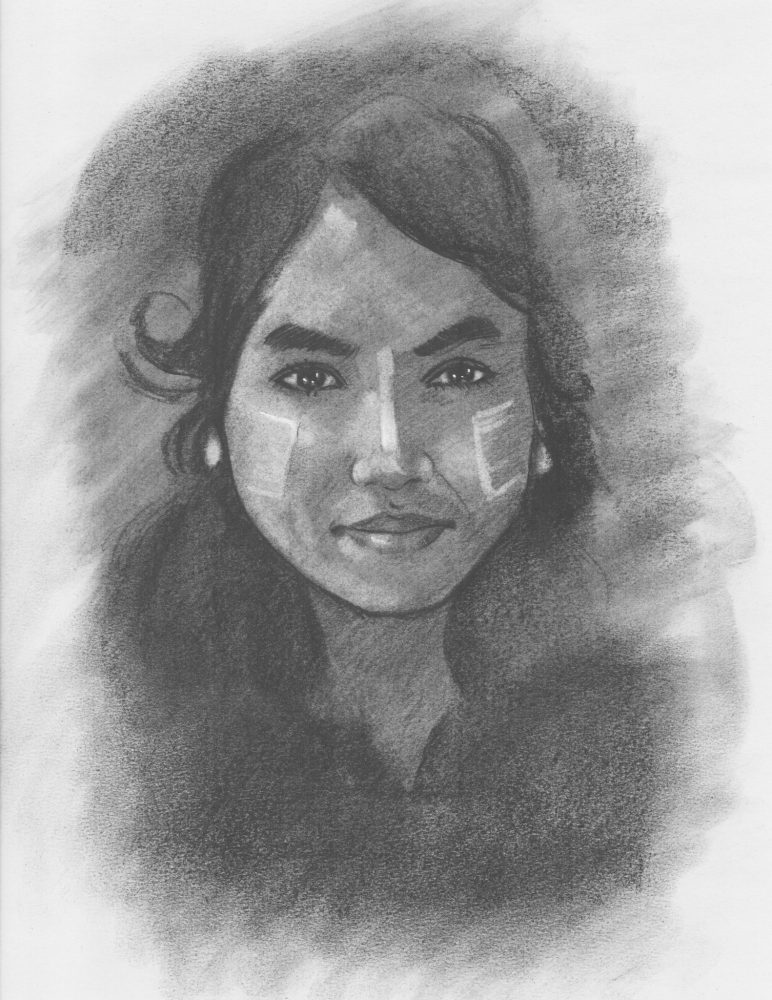
This story was shared with TSOS anonymously, and is a part of our ongoing series, #AnonymousAmongUs
Burma may be most well-known by Americans for being perpetually in conflict. My father fled his burning village when he was a young man, decades ago. My grandmother shuttled my mother and her four siblings across the border into Thailand to save her sons from being swept into the military, a surefire way of dying under fire. The country is still ravaged by civil war with people still fleeing for their lives.
My parents met after they escaped Burma. They married in Thailand and my mother gave birth to me in Mae La Refugee camp where I lived into my teens. Mae La Refugee camp is on the border of Thailand and Burma. It was formed in the early ’80s and has housed thousands of refugees over the years. There is some infrastructure but it’s really a makeshift community with very limited access to resources. We depended on international aid for basic needs and living conditions were challenging. We also couldn’t leave the camp. I didn’t know any better, but my parents yearned for freedom.
Our house was a small wooden shack where we lived with my grandmother, aunts, and uncles as well as my two younger brothers. Some of us slept on the floor. We went to school every day and I did my chores of sweeping and cleaning.
Fortunately, there was a large area in the center of the camp for us to play and run.
The idea of leaving the refugee camp wasn't discussed when I was young. It felt impossible, really. When I thought about the United States, I imagined it full of music. I imagined freedom. Little did I know, years were spent by my parents working with IRC to complete paperwork and be vetted to be accepted here.
Thanks to IRC, my family boarded a plane for SeaTac in 2007. I was 15. Our IRC case manager met us at the airport in what I remember being a remarkably fancy car because it had a roof that opened. (Now I know that to be called a sun roof, which my car has, too!)
IRC set us up in apartments. They enrolled us in school and gave us English lessons. They arranged healthcare for us so my parents, aunt, and uncle could get medicine for the hepatitis C and tuberculosis they had contracted at Mae La. IRC attorneys helped us get the necessary status and paperwork for the years-long process towards citizenship. IRC helped my parents, aunt, and uncle find jobs. Other than my aunt who has since had three more children and takes care of them at home, they still work for those same companies.
I was also introduced to our IRC mentors Tara and Sally. They taught us big words like “refrigerator” and also how to use it! They took us on field trips, figured out how to get us bikes, and taught us to ride them. They found us a P-patch community garden to grow our own food. They arranged for Christmas trees to be delivered to our apartments. They became our friends.
It wasn’t easy. I felt lonely not knowing English very well. We didn’t have a car so we walked miles to get to public transportation or buy groceries. Washington’s climate is different compared to South East Asia, so even wearing donated coats, we were so cold.
But we made strides. I made friends with other refugees. Our school gave us free lunches.
There were sports, art, and music. We were taught to ask questions and to think critically and that it was good to share our opinions. We had freedom. Slowly it began to feel like home.
It took me five years, but I finished high school. I was then the first of anyone in my family to go to college. I studied pre-nursing and over many more years of working, studying, and working I graduated with a Bachelors of Science in Nursing.
In 2015, my family built a home with Habitat for Humanity where my parents and brothers still live with donated furniture from IRC. I saved and was able to buy my own house where I now live with three tenants. We have come so far from our lives in Burma and Thailand thanks to IRC and other non-profits.
Last month, my mom and I flew to Thailand to visit the Mae La refugee camp. The camp was terribly over-crowded. The open area where we had played was filled in by more wooden shack homes because there are too many people.
The United States isn't welcoming refugees anymore.
The hospital where I was born had been closed since January when its USAID funding was cut off. Fortunately, it has temporarily re-opened thanks to some private donors, but it’s uncertain how long that will last. The refugees with jobs in the camp are also making much less without USAID subsidies. Instead of 200 baht per month to buy food, they now earn 70 baht a month. That’s $2/month down from $6/month.
Of course, we’re not giving up hope. My family and community are strong. I’m grateful to be an American, to have fulfilling work, health care, a car, my home, and friends. I’m also grateful IRC continues to do its work to help and bring hope to more people like me.
Our team members obtain informed consent from each individual before an interview takes place. Individuals dictate where their stories may be shared and what personal information they wish to keep private. In situations where the individual is at risk and/or wishes to remain anonymous, alias names are used and other identifying information is removed from interviews immediately after they are received by TSOS. We have also committed not to use refugee images or stories for fundraising purposes without explicit permission. Our top priority is to protect and honor the wishes of our interview subjects.