READ OUR OFFICIAL STATEMENT ON THE U.S. FY2026 REFUGEE ADMISSIONS CAP AND PRIORITIZATION
SHARE YOUR EXPERIENCES WITH DISPLACEMENT, RESETTLEMENT, DEPORTATION, AND ICE #ANONYMOUSAMONGUS
Iraq

MOHANED AND ZAINAB (2/3)

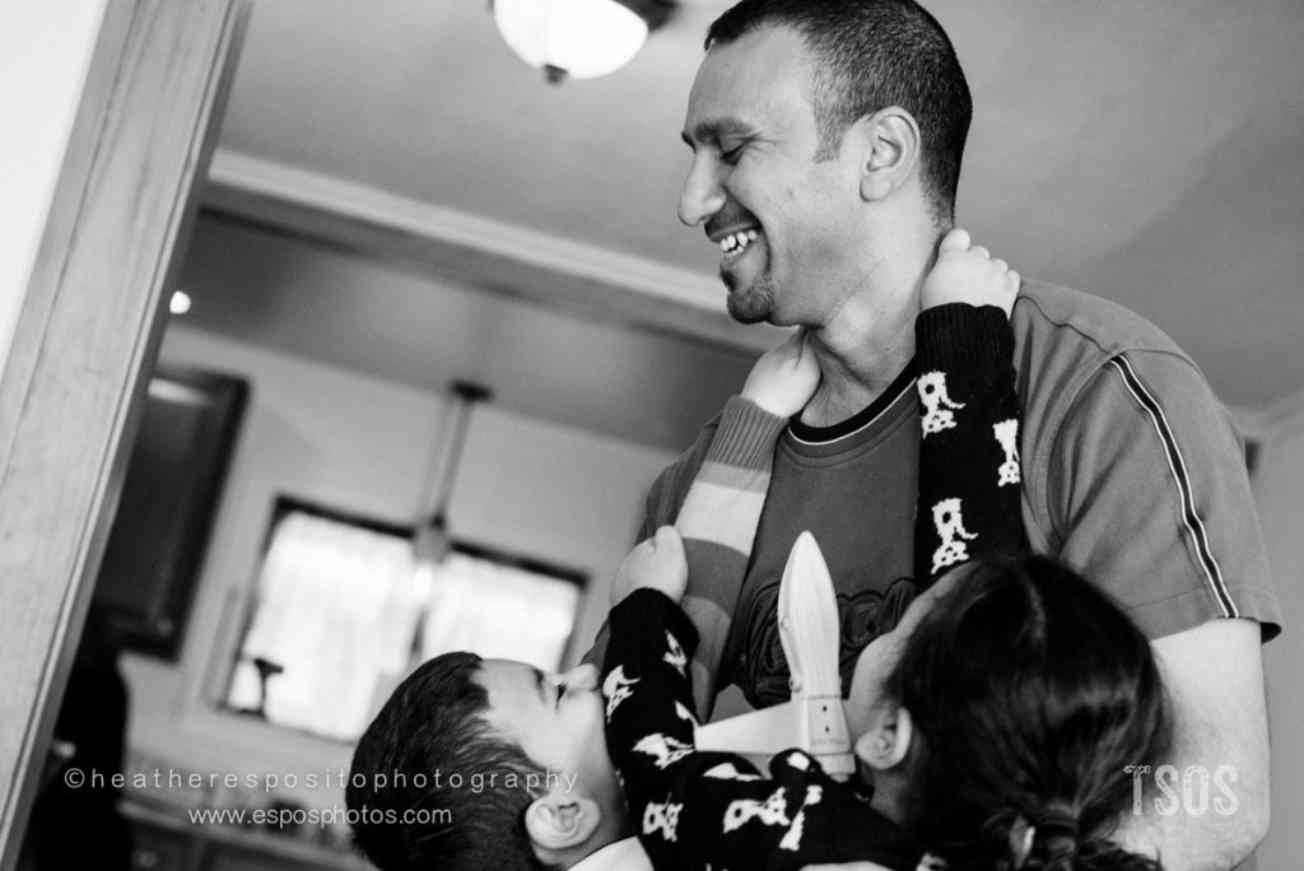
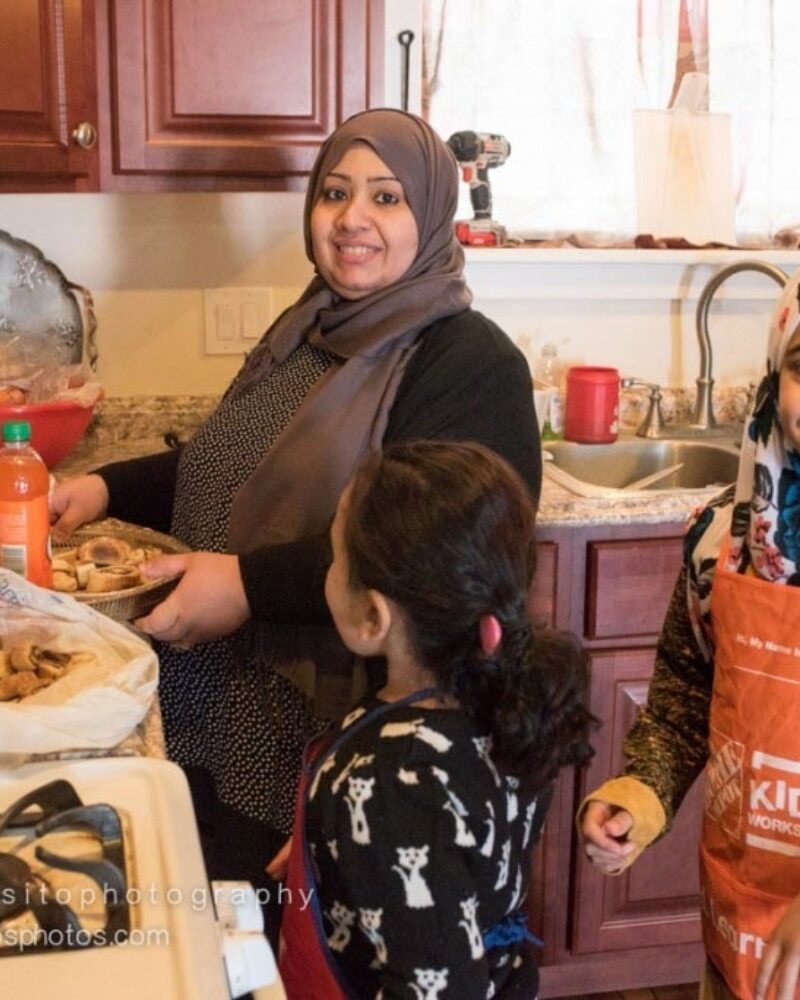
In Iraq, Zainab was a stay-at-home mom and Mohaned was a taxi driver.
Written by Heather Esposito
Mohaned & Zainab (2)
Mohaned & Zainab
Mohaned & Zainab (2)
Zainab and Her Children Mohaned & Zainab
Mohaned & His Children
Mohaned and His Children Mohaned & His Children

Story & Photography by Heather Esposito

In Iraq, Zainab was a stay-at-home mom and Mohaned was a taxi driver.  He had a second job working in airport security. Every day when he left for work, he was apprehensive. Every new fare worried him. When he picked up taxi fares, sometimes they were bad people who wanted him to do things for them, things he wanted no part of.  But if he refused them, he was told he would be executed and they would go after his family.
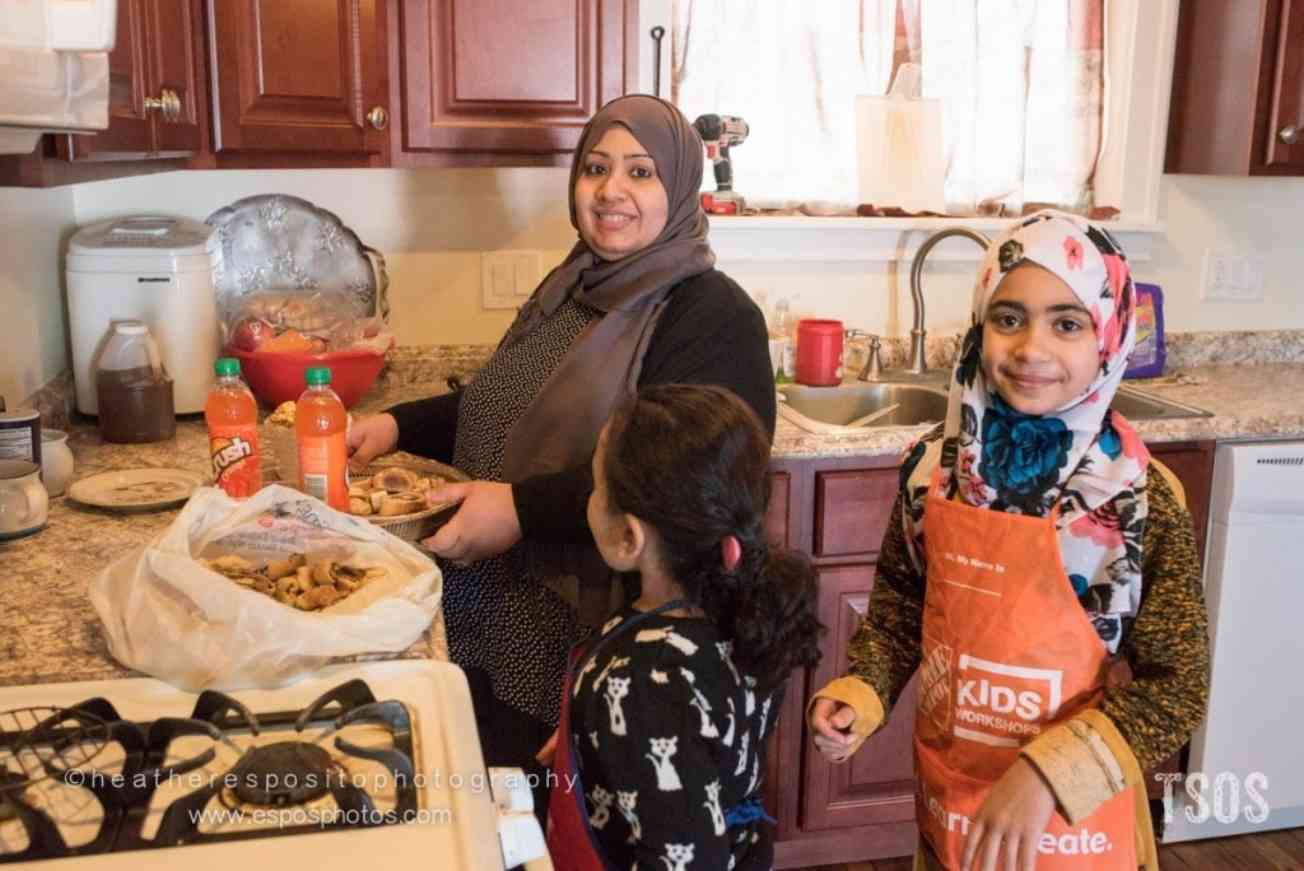
Mohaned said they did not want to leave their country, but they had to. His children could not go to school. There was constant random violence.  He never knew when or where something would happen. Violence was in the school, in the streets, in public places. Just going to the grocery store could be fatal. To illustrate that point, while I was visiting in Mohaned and Zainab’s home, a relative from Iraq Face-Timed with Abas, their interpreter, and told him that just that day a bomb went off in the local supermarket. There were bodies everywhere in the streets. Imagine living like that.

Mohaned could trust no one in Iraq where there was an air of divisiveness. People would find out information about others then tell the bad guys to keep themselves safe or to earn favor. He never knew whom he could trust.  There was no future for them in Iraq; despite it being their home and heritage, they knew they had to go. All he wanted was to live in peace and raise his family.

Turkey was the closest place, so they packed a bag as if they were going on a weekend vacation — a few changes of clothes, toiletries. Imagine going to Rochester for the weekend except you will never return. . . that’s what they did.

Once they got to Turkey, they sought asylum and stayed four years. Mohaned worked odd jobs. They were able to get a small apartment but they did not feel safe. They were still close to Iraq and needed to be in a place where their children could have a future. They applied for refugee status with the U.S. and were accepted after over two years of intensive interviews, letters, documentation, and background checks.

Informed Consent

Our team members obtain informed consent from each individual before an interview takes place. Individuals dictate where their stories may be shared and what personal information they wish to keep private. In situations where the individual is at risk and/or wishes to remain anonymous, alias names are used and other identifying information is removed from interviews immediately after they are received by TSOS. We have also committed not to use refugee images or stories for fundraising purposes without explicit permission. Our top priority is to protect and honor the wishes of our interview subjects.

What would you do if you had to leave everything behind?

By the end of 2024, more than 123.2 million people worldwide had been forcibly displaced from their homes due to war, persecution, or human rights abuses.

An increase of 7.2 million over 2023, that’s more than 19,619 people every day — roughly one person every 4.4 seconds.

They arrive in refugee camps and other countries, like the US, seeking the one thing they’ve lost: safety.

Fleeing political imprisonment, ethnic violence, religious persecution, gang threats, or war crimes, they come with what little they managed to carry:

Legal papers – if they’re lucky.

A single backpack.

Sometimes a child’s hand in theirs.

They also carry the weight of what they left behind: fractured families, homes they’ll never return to, professions they loved, friends and relatives they may never see again.

They carry loss most of us can’t imagine – but also the truth of what they’ve endured.

At TSOS, we believe stories are a form of justice. When someone shares their experience of forced displacement, they reclaim their voice. And when we amplify that voice – through film, photography, writing, and advocacy – the world listens. Hearts soften. Communities open. Policy begins to shift.

That shift matters. Because when neighbors understand instead of fear…

when lawmakers see people, not politics…

when a teacher knows what her student has survived…

Rebuilding life from the ashes becomes possible.

We’re fighting an uphill battle. In today’s political climate, refugee stories are often twisted or ignored. They’re reduced to statistics, portrayed as national threats, or used to score political points.

The truth – the human, nuanced truth – gets lost, and when it does, we lose compassion.

We are here to share their truth anyway.

At TSOS, we don’t answer to headlines or algorithms. We are guided by a simple conviction: every person deserves to be seen, heard, and welcomed.

Our work is powered by the people we meet — refugees and asylum seekers rebuilding after loss, allies offering sanctuary, and communities daring to extend belonging.

Your support helps us share their stories — and ensure they’re heard where they matter most.

“What ultimately persuaded the judge wasn’t a legal argument. It was her story.”

— Kristen Smith Dayley, Executive Director, TSOS

Will you help us keep telling the truth?

No donation is too small — and it only takes a minute of your time.

Why give monthly?

We value every gift, but recurring contributions allow us to plan ahead and invest more deeply in:

  • New refugee storytelling and advocacy projects
  • Resources to train and equip forcibly displaced people to share their own stories
  • Public education that challenges fear with empathy
  • Local efforts that help communities welcome and integrate newcomers

As our thank-you, monthly supporters receive fewer fundraising messages — and more stories of the impact they’re making possible.

You don’t have to be displaced to stand with those who are.

Can you give today — and help carry these stories forward?

Add Impact to Your Inbox
Sign up for our emails to get inspiring stories and updates delivered straight to you.
Subscribe
© 2025 Their Story is Our Story Privacy Policy
Their Story is Our Story is a 501(c)3 Non-Profit Organization under the United States Internal Revenue Code. All donations are tax-deductible. Our tax identification number is 812983626.