A Woman From Myanmar Stands on Her Own Two Feet Through Farming
New Roots Provides Flexibility and Freedom for Myanmar Mothers
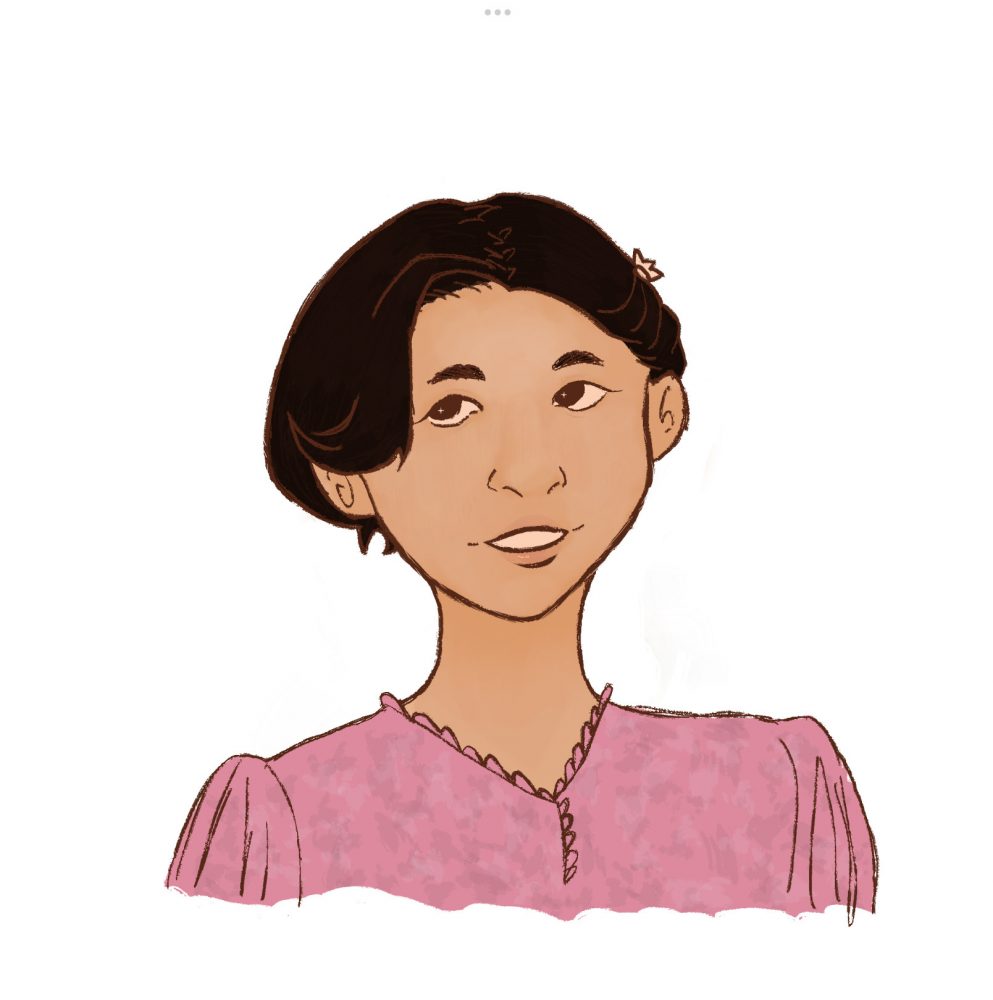
My name is Len. I actually have two names. Len is my given name, because Len is what my friends call me. My second name is from my grandmother. When I was growing up she would call me Jelly Lou, which means second daughter.
I grew up in Myanmar, in Kachin State. I have three siblings, two sisters and one brother, but my brother passed away from pneumonia when he was 18 years old. In Myanmar, my siblings and I were raised by our grandparents because our parents weren’t able to take care of us. Most of my growing up years consisted of going to school and helping my grandparents sell the produce they grew on their farm.
My family didn’t show very much affection when I was young, which was hard for me. I also grew up in a place heavily influenced by war, so the environment wasn’t great for us. We just went through the motions.
My grandma didn’t like farming very much, but she grew rice, and other vegetables like okra and cucumbers. As I got older, things got more intense in Myanmar so I had to move to Malaysia with my husband.
When we got there I was pregnant. I had two children in Malaysia, and a few years later we moved to the United States and I had two more children here. My youngest is only seven months old. When I first got here I felt pretty lonely, because I didn’t have many friends. But I was happy to be here because it was still a better situation than what I had been living in previously. I was grateful for more freedom, and not having to struggle as much. I’ve met people here from all sorts of countries and who practice all different kinds of religions, so I’m happy.
Through Catholic Charities, I was introduced to the New Roots program. I was very interested in it. Now I am in my third year of participating in the program. The best part about being able to farm through this program is when I first get to plant my produce in the Spring. The weather is perfect because it isn’t too hot or too cold. Then it starts getting hot outside and working on the farm is less enjoyable. I grow lots of things, like potatoes, tomatoes, sugar snap peas, and so many other vegetables. Sometimes my kids help me on the farm but most of the time they just talk and play around because they are quite young.
I like working on my farm through the program because it feels very peaceful. I am not stressed on my farm. I like to see the plants grow and I enjoy eating organic vegetables. I wouldn’t mind being a farmer forever. I have learned so much about farming from the New Roots program. One of my favorite things to learn about was how to use compost, and something called companion planting, when you plant two different things together. Even planting in a greenhouse is so different from what I grew up with, and I enjoy that too.
If I had to pick one thing I am most proud of in my life, it’s that I know how to stand on my own two feet. My grandmother used to say you have to either leave or learn to stand on your own, without help. I feel productive because I stand on my own two feet and am able to contribute to society.
Our team members obtain informed consent from each individual before an interview takes place. Individuals dictate where their stories may be shared and what personal information they wish to keep private. In situations where the individual is at risk and/or wishes to remain anonymous, alias names are used and other identifying information is removed from interviews immediately after they are received by TSOS. We have also committed not to use refugee images or stories for fundraising purposes without explicit permission. Our top priority is to protect and honor the wishes of our interview subjects.