I work for a local refugee organization. I am the ESL coordinator, which means I spend three days a week teaching English, but it also means that sometimes I go out into the community when our organization gets a call about a family in need. One night, we got a call about a family that had run out of food. Somehow they had fallen through the cracks with the resettlement agency and their four kids were hungry. I got them some basic groceries, and met them at their home to deliver the food. They were gracious and kind, and we did the typical language barrier dance–lots of gestures, smiling, pointing, and stumbling through greetings in Arabic and English. In these situations, the Google translate app is a lifesaver. I tried to use it as much as I could, punching in my English phrases and showing the family the indecipherable Arabic script that popped up. I approached the mother with my phone every time I tried this, and she repeatedly called over her oldest son to look at it. Halfway through our interaction, I started to understand why.
She can’t read Arabic. Her own language was indecipherable to her too.
I don’t know this woman’s full story. I was told she was from Syria, which has a fairly high literacy rate for women, compared to Afghanistan, which has one of the lowest literacy rates for women in the world. So I don’t know why she was never taught to read her own language. I do know that the implications of her being illiterate are staggering.
We live in a digital age. Everything, from our computers to our phones, requires a basic level of literacy. Even if you don’t speak English, apps like Google translate and Google images can help ease the transition into a new country and help navigate language barriers. An illiterate woman, though, doesn’t even know how to spell Google in any language.
In my ESL classes, I work with many women from Afghanistan. That’s not surprising, given recent global events. Mostly, the women in my classes are educated, with long careers in their country before they were forced to come here. They are hungry for language, hungry to learn, hungry to unlock the mysteries of English so they can move about this country with confidence. They want to talk to their children’s teachers, they want to talk to doctors about their children’s sicknesses, and they want to pass their driving tests so they can have a freedom of movement they didn’t enjoy in Afghanistan. Their progress is fast.
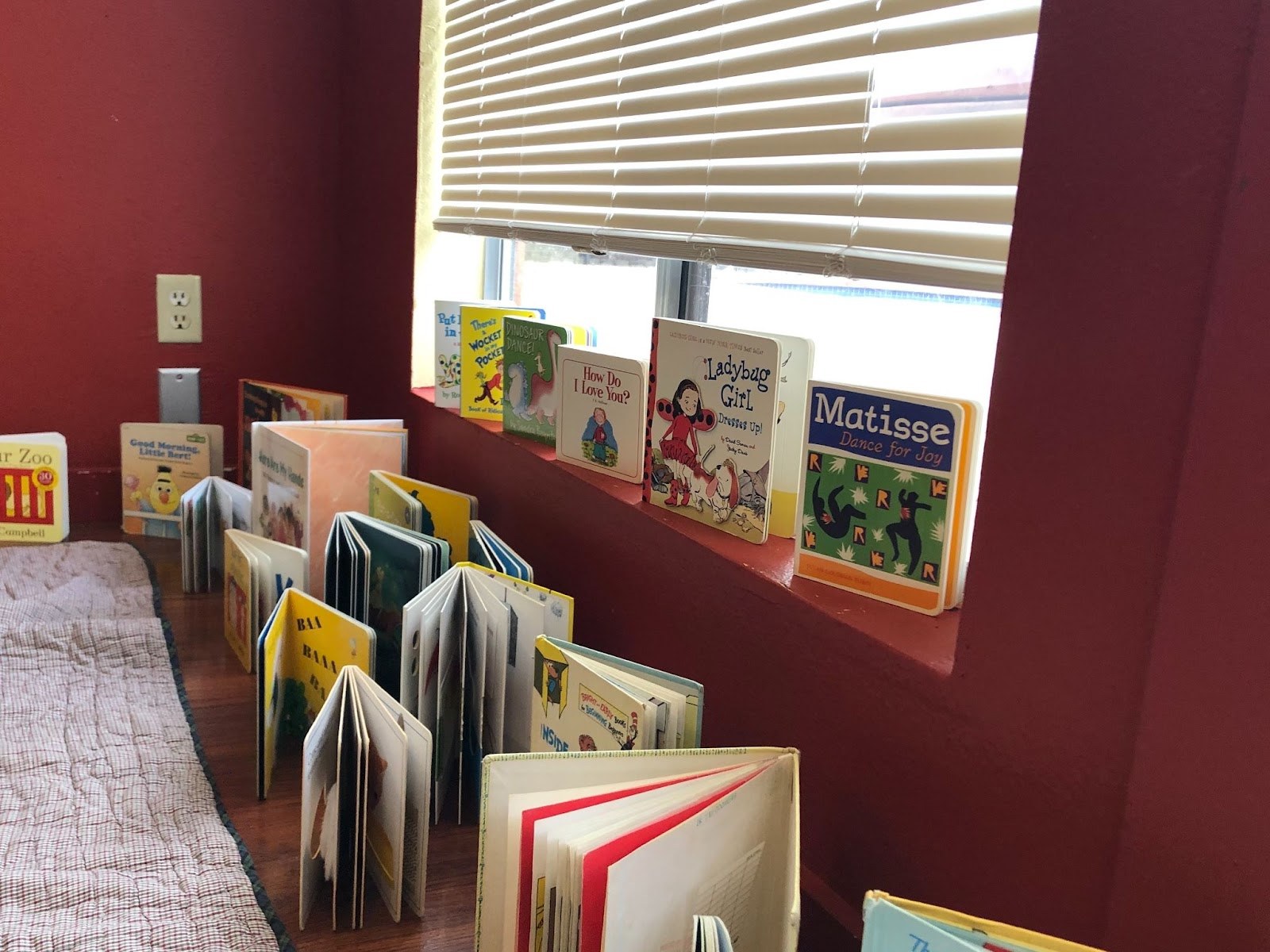
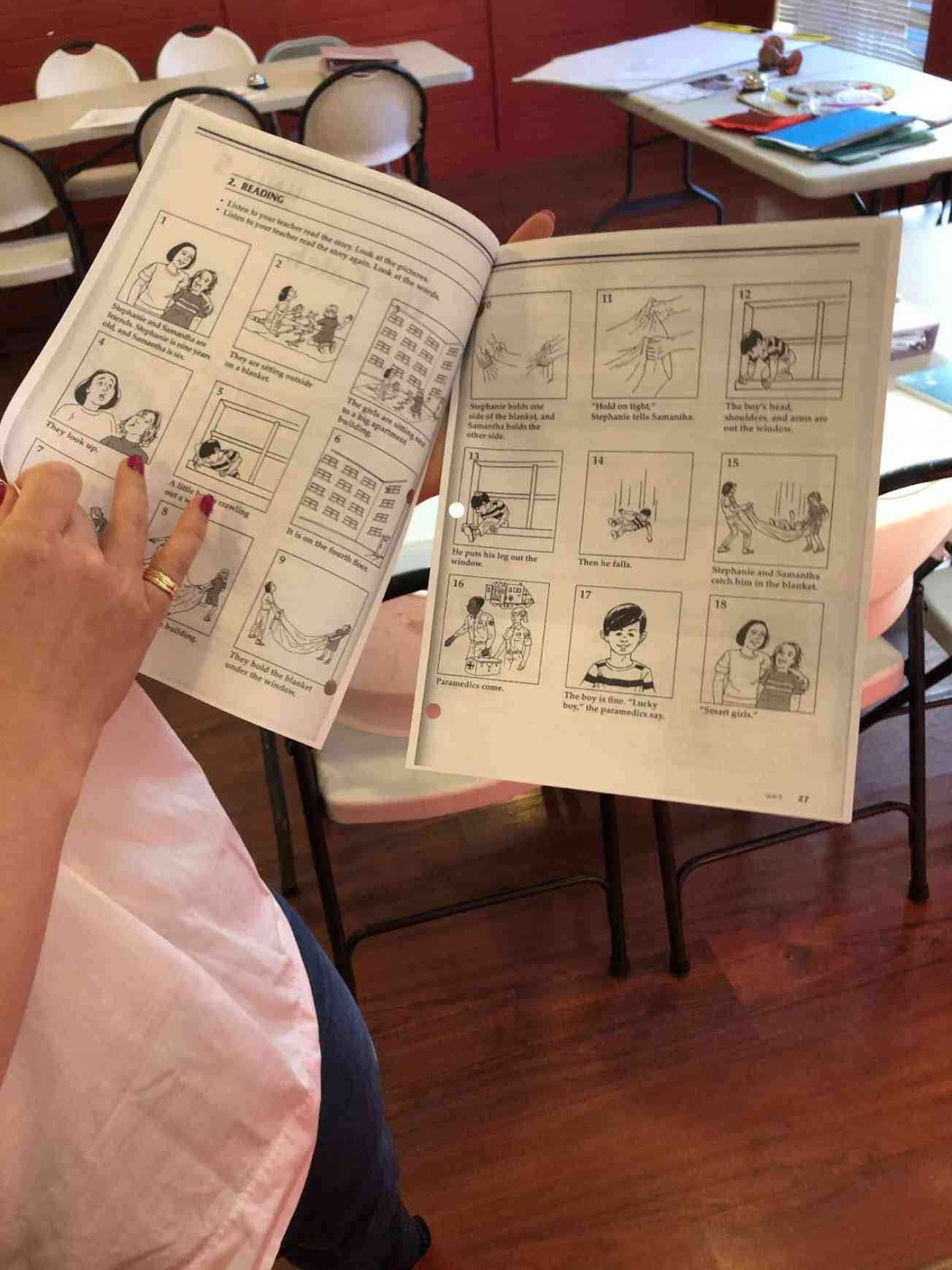
But I have some women who are illiterate in their native language. I am not teaching them how to navigate a doctor’s appointment. I am teaching them how to write letters in between the lines on a lined piece of paper. I am teaching them the pattern of a letter. I am teaching them that letters have sounds. I am teaching them how to link letters together to make a word. They are also hungry for language. But their task seems insurmountable. And their progress is slow.
After one of the last lessons, I drove home in a rage. One of the women had brought her young son with her to the lesson, and he was sweet and playful and obedient. He copied everything his mother did, and by the end of the lesson, he knew several words in English, mimicking us in his little voice. He is going to grow up in a language rich environment, learning both his parents’ language at home and English at school. He is bright, happy, safe, and will be educated. His future is limitless. What made me rage was thinking about how those same opportunities were denied to his mother.
Illiteracy makes women dependent on their husbands. Illiteracy cuts women off from history and current events, since they can not access news stories or social media. Illiteracy limits women’s access to healthcare as well as basic knowledge about their own bodies. While global literacy rates for women are generally high, the literacy rate in Afghanistan for women hovers between 15% and 20%. The literacy rate for men is over 50%. Illiteracy is the ultimate tool of oppression.
If you are familiar with Maslow’s hierarchy of needs, you know that things like safety, food, shelter, and clothing are on the lowest block, signifying the most important, urgent needs of a human being. Sometimes I feel like literacy should be on the very next block.
So I will channel my rage and use it to search the internet for good literacy materials to make my classroom, both virtual and real life, as safe and as inviting as possible, and put forth my small efforts to change these women’s lives, one letter at a time.
Helping ITPs Succeed: Insights from Leading Support Programs
Partner Profile: No One Left Behind
Their Story is Our Story and No One Left Behind (NOLB) joined forces in 2025 to launch the StoryShield program.
We spoke with Matthew Marcellus, Director of Communications with NOLB, and asked what the partnership with TSOS has meant for his organization and their Afghan clients.
Context with Layma
Social media presents us with an endless scroll of headlines and ‘hot takes’. What’s often missing is context. What is the history that led up to an event? Whose interests are served by a certain policy? What effects is that policy having on people’s lives? Layma Murtaza produces and hosts the video series “Context with Layma”, featured on Their Story is Our Story’s social media channels. We spoke to her about the context of her own life, as an Afghan-American and a professional in humanitarian aid, that led her to use storytelling to illuminate the personal and political context behind the headlines.