Connected Communities: Creating Meaningful Connections through Teaching English
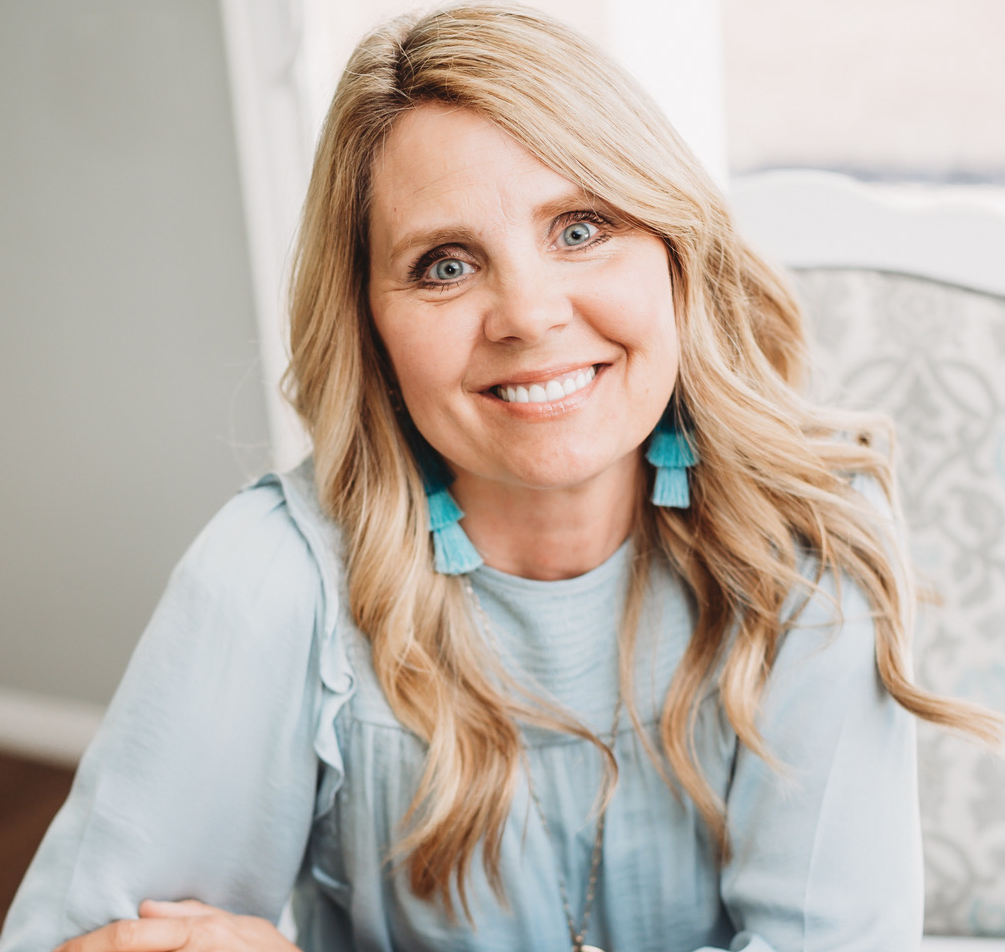
During our World Refugee World event, we were able to interview Adrianne Coleman, a volunteer who works with English Speakers of Other Languages (ESOL). Adrianne’s journey to help others started in 5th grade, when a young boy from Iran was in her class. This boy didn’t speak a single word of English, and Adrianne saw how difficult it was for him to integrate into the classroom. Adrianne felt that she could help him, and others like him.
In college, she taught English to immigrants from Vietnam, and is currently an ESOL teacher for Catholic Charities. At times, her volunteer journey was slow, as she would reach out to volunteer organizations and wouldn’t hear back. Sometimes it’s hard to find the right fit with the right organization, she points out, but encourages others not to give up.
“One of the most gratifying things about teaching is becoming friends with the people I am teaching. I have students from Ukraine, from Afghanistan, and from South America. We develop a friendship. It’s been really, really sweet.”
Teaching ESOL has not only benefited her students, but has given Adrianne a new community as well.
Adrianne also points out that a person doesn’t have to make a grand gesture to get involved, that even small and simple things make a big difference. She quoted Miep Gies, who helped hide Ann Frank during the war. “I don’t like being called a hero because no one should ever think you have to be special to help others. I am afraid that if people feel that I am a very special person, a sort of heroine, they may doubt whether they will do the same I once did. But even an ordinary secretary or a housewife or a teenager can, within their own small ways, turn on a small light in a dark room.”
It doesn’t take a special person to build connected communities, it just takes people caring about others and filling the needs that they see.
Watch Adrianne's full interview:
World Refugee Day 2023 EventGet more information about volunteering with Catholic Charities:
Catholic CharitiesHelping ITPs Succeed: Insights from Leading Support Programs
Partner Profile: No One Left Behind
Their Story is Our Story and No One Left Behind (NOLB) joined forces in 2025 to launch the StoryShield program.
We spoke with Matthew Marcellus, Director of Communications with NOLB, and asked what the partnership with TSOS has meant for his organization and their Afghan clients.
Context with Layma
Social media presents us with an endless scroll of headlines and ‘hot takes’. What’s often missing is context. What is the history that led up to an event? Whose interests are served by a certain policy? What effects is that policy having on people’s lives? Layma Murtaza produces and hosts the video series “Context with Layma”, featured on Their Story is Our Story’s social media channels. We spoke to her about the context of her own life, as an Afghan-American and a professional in humanitarian aid, that led her to use storytelling to illuminate the personal and political context behind the headlines.