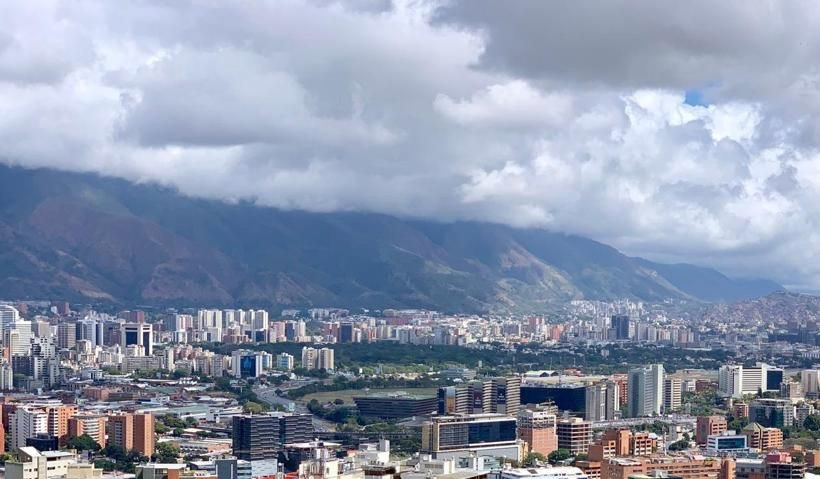
Venezuela continues to face an ongoing political and economic crises. Inflation, chronic food shortages, unemployment, and human rights violations all contribute to the worsening situation. As such, over 7 million people have been pushed to leave their home. The vast majority settled in neighboring Latin American countries, but thousands have made their way to America.
As local officials strive to meet the needs of these newcomers, they have asked for a policy change to let these people work. Employment for refugees is key for integration and economic stability. Including refugees and asylum seekers in national labor markets is increasingly being regarded as good practice, as it benefits both the refugees and the people who live beside them. Far from being dependent, refugees are often innovative entrepreneurs. They benefit the economy with small businesses while also filling needs in the labor market and adding to the tax base.
We applaud the Biden administration for granting temporary legal status to our Venezuelan neighbors. This quickly makes them eligible for employment and ultimately allows them and their communities to thrive.
Helping ITPs Succeed: Insights from Leading Support Programs
Partner Profile: No One Left Behind
Their Story is Our Story and No One Left Behind (NOLB) joined forces in 2025 to launch the StoryShield program.
We spoke with Matthew Marcellus, Director of Communications with NOLB, and asked what the partnership with TSOS has meant for his organization and their Afghan clients.
Context with Layma
Social media presents us with an endless scroll of headlines and ‘hot takes’. What’s often missing is context. What is the history that led up to an event? Whose interests are served by a certain policy? What effects is that policy having on people’s lives? Layma Murtaza produces and hosts the video series “Context with Layma”, featured on Their Story is Our Story’s social media channels. We spoke to her about the context of her own life, as an Afghan-American and a professional in humanitarian aid, that led her to use storytelling to illuminate the personal and political context behind the headlines.