U.S. Operation Allies Welcome Webinars: DHS Briefing & How You Can Help
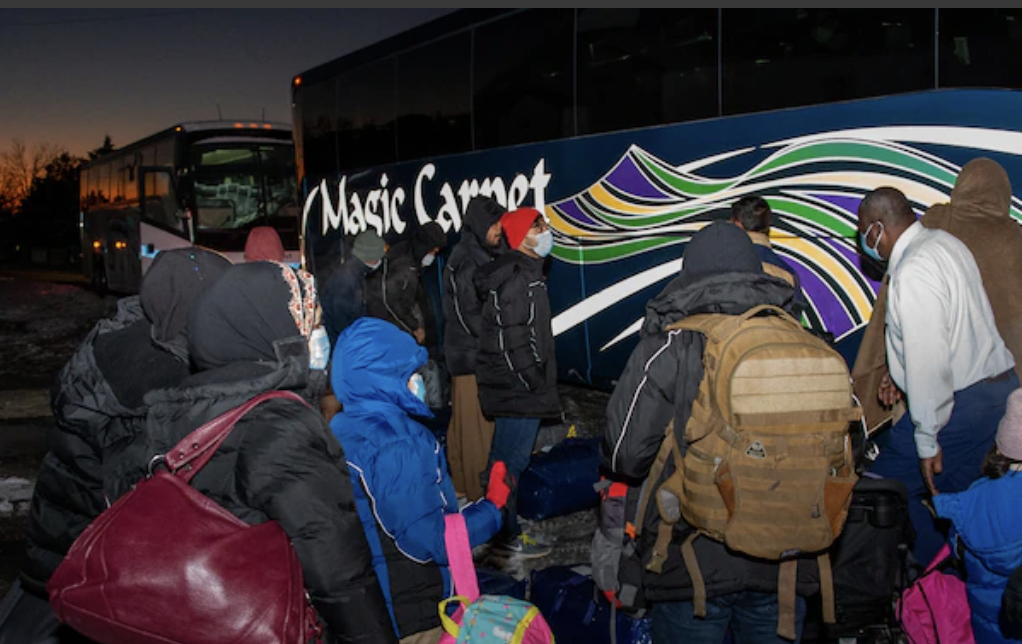
As of 31 December 2021, more than 52,000 Afghan evacuees have been resettled in communities across the country. These resettlement efforts are led by the Department of State in close coordination with more than 290 local resettlement affiliates. The remaining approximately 22,500 vulnerable Afghans await resettlement at 5 military bases in the U.S. They all need our help.
Briefing on Department of Homeland Security Operation Allies Welcome Afghan Resettlement- How Can You Help?
Thursday, January 6, 2022 1-2pm EST
The Department of Homeland Security Operation Allies Welcome Unified Coordination Group is hosting a briefing all those with an interest in helping our Afghan allies resettle providing an overview of the resettlement process and the opportunities available to assist. The briefing will take place on Thursday, January 6, from 1pm to 2pm Eastern. During this call, we will cover the various ways available to assist with Afghan resettlement. No RSVP is needed. Just join through the link or phone numbers provided below. Presenters will include subject matter experts from:
- the Department of Homeland Security’s Private Sector Office,
- the Department of Health and Human Services Office of Refugee Resettlement,
- the Department of State’s Bureau of Population Refugees and Migration,
- the Department of Housing and Urban Development, and
- Welcome.US
You may submit questions in advance by emailing DHS Impact: [email protected] by Wednesday, January 5, at Noon Eastern. Please add “Briefing on Afghan Resettlement” in the subject line.
Microsoft Teams meeting Join on your computer or mobile app Click here to join the meeting
Or call in (audio only)+1 202-516-6093„715997937# United States, Washington DCPhone Conference ID: 715 997 937#
Note to media: This engagement is not for press purposes. Please contact the DHS Office of Public Affairs at [email protected] for any media inquiries.
Welcome to the Neighborhood Part 5: Supporting Local Education Agencies in Resettlement
January 19 at 2:00 pm ET RSVP Today
For our Afghan allies and their families, there is an immediate and urgent need for providing high-quality, culturally responsive education to newcomer Afghan students as they move from safe havens into destination communities. Faith-based and community organizations are uniquely positioned to support local education agencies in the resettlement process. The White House Office of Faith-based and Neighborhood Partnerships in collaboration with the U.S. Department of Education invite you to a webinar that will provide resources and tools you can utilize in your community. The webinar will include representatives U.S. Department of Education sharing how groups can get involved and tools to support that involvement. Check out the Parts 1-4 for the Welcome to the Neighborhood Webinar SeriesIn case you missed any of them, the first four webinars in the Welcome to the Neighborhood Webinar Series are available below.
- Part 1: Watch to learn more about Operation Allies Welcome
- Part 2: Learn how you can support Sponsor Circles and hear from people of faith about their sponsorship experiences
- Part 3: Hear cultural competency tips from Afghan Americans supporting our new Afghan neighbors
- Part 4: Hear how HUD is supporting affordable housing opportunities for our new Afghan neighbors
Helping ITPs Succeed: Insights from Leading Support Programs
Partner Profile: No One Left Behind
Their Story is Our Story and No One Left Behind (NOLB) joined forces in 2025 to launch the StoryShield program.
We spoke with Matthew Marcellus, Director of Communications with NOLB, and asked what the partnership with TSOS has meant for his organization and their Afghan clients.
Context with Layma
Social media presents us with an endless scroll of headlines and ‘hot takes’. What’s often missing is context. What is the history that led up to an event? Whose interests are served by a certain policy? What effects is that policy having on people’s lives? Layma Murtaza produces and hosts the video series “Context with Layma”, featured on Their Story is Our Story’s social media channels. We spoke to her about the context of her own life, as an Afghan-American and a professional in humanitarian aid, that led her to use storytelling to illuminate the personal and political context behind the headlines.