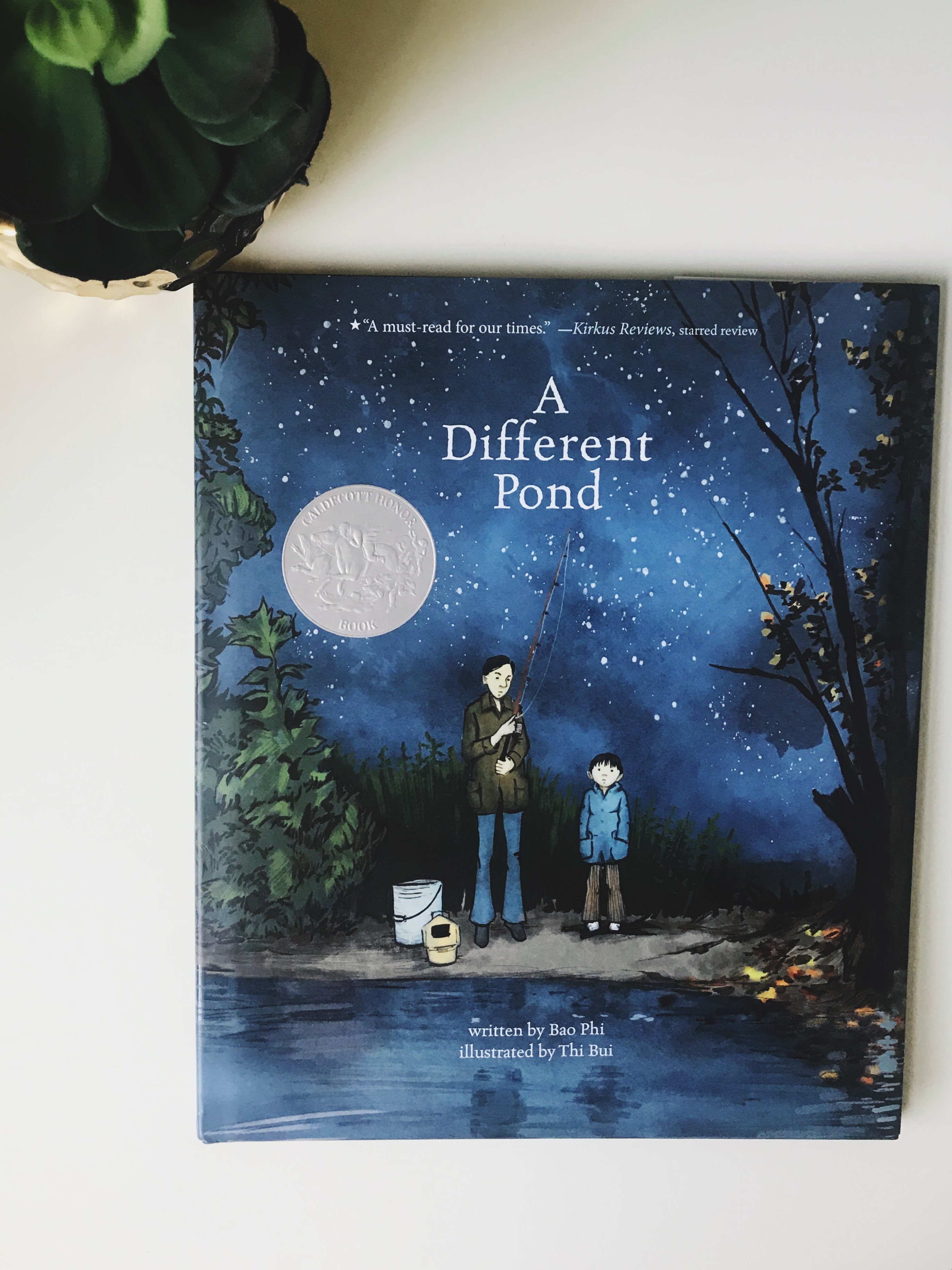
A Different Pond written by Bao Phi and illustrated by Thi Bui
A Different Pond is author Bao Phi’s dedication to his childhood and the part his parents played in seeking safety and providing for their family of eight. In 1975, when he was just a baby, Phi’s family migrated from Vietnam to Minnesota as refugees from war. A Different Pond honors Phi’s Vietnamese heritage and the memories his family brought across the sea with them and preserved for generations to come. Illustrator Thi Bui was also born in Vietnam and raised in America. Through her artwork, she captures snippets of what life looked like for so many Vietnamese American immigrants.
This book reads well for grade-schoolers of all ages. It provides intimate insight into both the sacrifices made by the protagonist’s parents and the bond with his family and the family culture within his home.
Helping ITPs Succeed: Insights from Leading Support Programs
Partner Profile: No One Left Behind
Their Story is Our Story and No One Left Behind (NOLB) joined forces in 2025 to launch the StoryShield program.
We spoke with Matthew Marcellus, Director of Communications with NOLB, and asked what the partnership with TSOS has meant for his organization and their Afghan clients.
Context with Layma
Social media presents us with an endless scroll of headlines and ‘hot takes’. What’s often missing is context. What is the history that led up to an event? Whose interests are served by a certain policy? What effects is that policy having on people’s lives? Layma Murtaza produces and hosts the video series “Context with Layma”, featured on Their Story is Our Story’s social media channels. We spoke to her about the context of her own life, as an Afghan-American and a professional in humanitarian aid, that led her to use storytelling to illuminate the personal and political context behind the headlines.