RadioActive: Refugee Stories are Our Stories
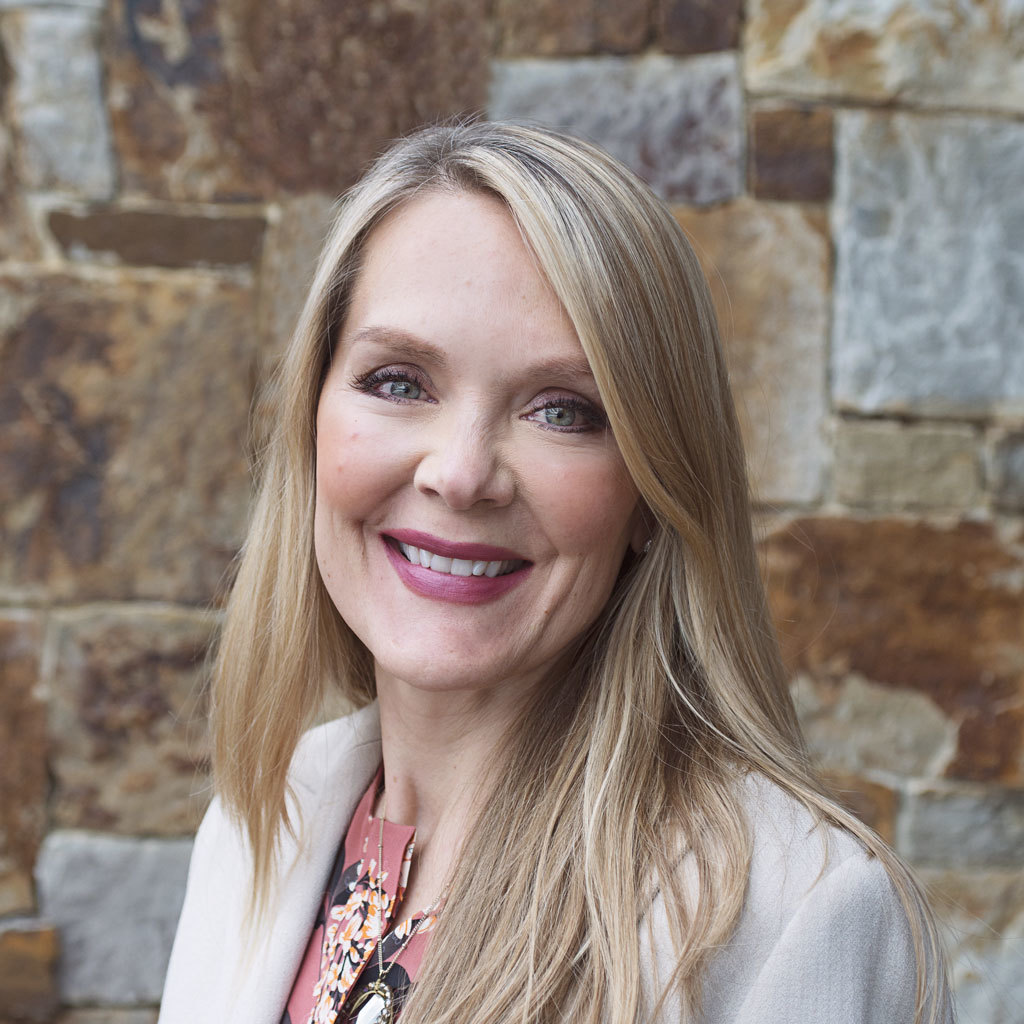
Written by Megan Carson
One of the co-founders of Their Story Is Our Story, Melissa Dalton-Bradford, was recently in Utah to receive a much-deserved award and recognition for her Service to Family from her alma mater, Brigham Young University.
While in town for the events surrounding that, she filled her schedule to the maximum humanly possible with events to spread the stories of our refugee friends and promote the recently released book of their stories, Let Me Tell You My Story.
Among the events that Melissa participated in, she was interviewed on the radio show Radio Active with Executive Producer/Host Lara Jones.
Here’s just one quote from that interview:
“How am I going to answer the upcoming generation? How am I going to leave some sort of small legacy so I could say, ‘I could not do everything, I’m sorry that I couldn’t do everything, but could I do something? Could I do something, just one small thing?’ It’s an accumulation of all of these one small things, that literally do shift history.”
Now, go and listen to the whole thing: Radio Active Interview with Melissa Dalton-Bradford. You can find it at 17:40 through 45:20. Absolutely worth the time to listen to!
Helping ITPs Succeed: Insights from Leading Support Programs
Partner Profile: No One Left Behind
Their Story is Our Story and No One Left Behind (NOLB) joined forces in 2025 to launch the StoryShield program.
We spoke with Matthew Marcellus, Director of Communications with NOLB, and asked what the partnership with TSOS has meant for his organization and their Afghan clients.
Context with Layma
Social media presents us with an endless scroll of headlines and ‘hot takes’. What’s often missing is context. What is the history that led up to an event? Whose interests are served by a certain policy? What effects is that policy having on people’s lives? Layma Murtaza produces and hosts the video series “Context with Layma”, featured on Their Story is Our Story’s social media channels. We spoke to her about the context of her own life, as an Afghan-American and a professional in humanitarian aid, that led her to use storytelling to illuminate the personal and political context behind the headlines.