A Message from the Publisher, Christopher Robbins
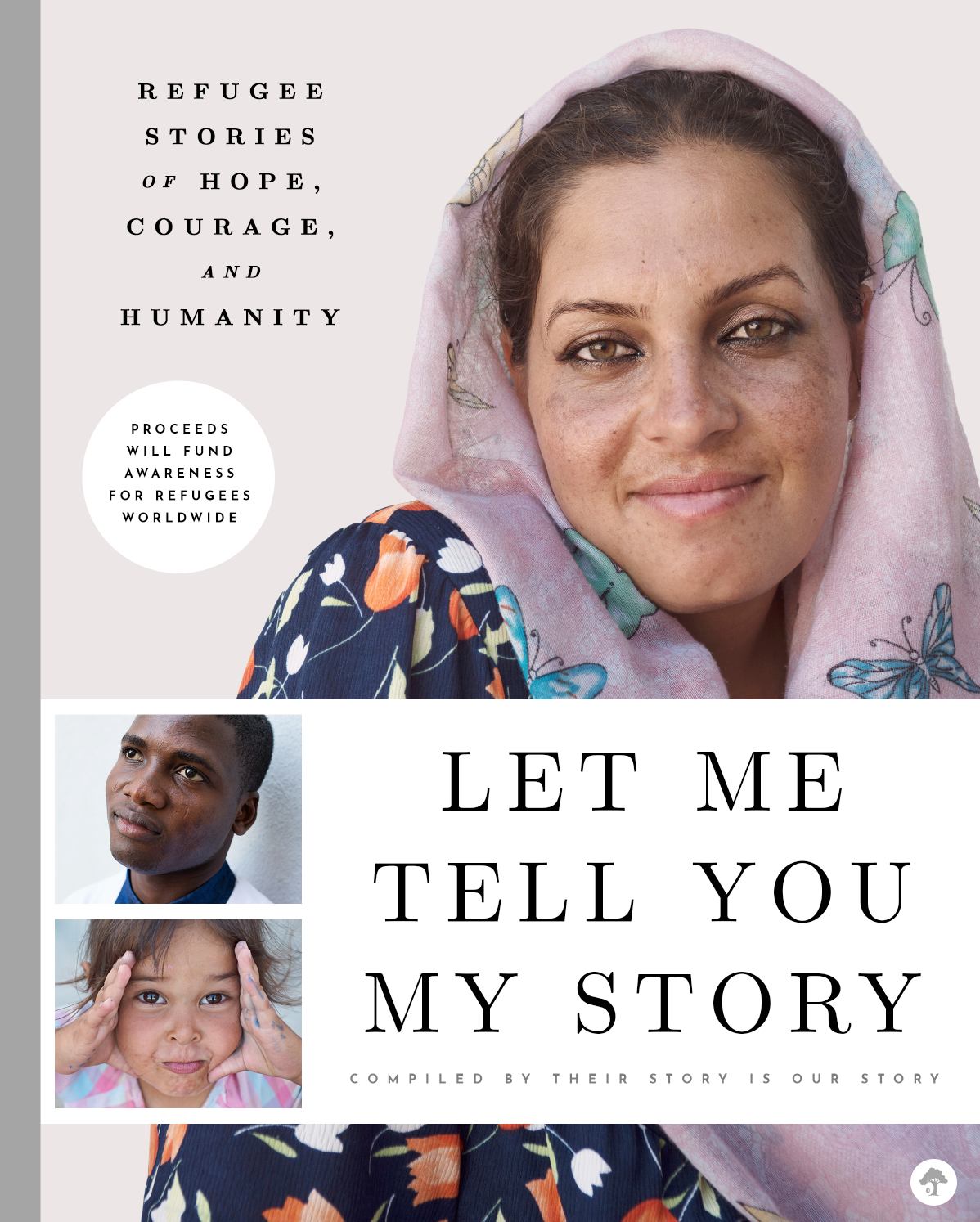
Written by Megan Carson
“I’ve wanted to publish a book on the refugee crisis for a number of years. I became interested in this subject when I stumbled across an animated map that depicted the journeys of these refugees by traveling points of light. I was shocked that within a short time the individual points of light had become massive rivers of light, showing the crisis that was underway.
“Melissa Dalton Bradford already worked with me as author and lived in Germany and was an exceptional storyteller. I suggested she consider a book on the subject. When TSOS was founded and they had developed a significant library of imagery and stories, she contacted me to suggest that what TSOS now had would fulfill my interest in a book.
“At first glance at the material, I knew this was the book we had to publish. My hope is that it brings a greater awareness to this crisis and encourages all who see it to find a way to help.
“I believe that Let Me Tell You My Story is now the most important book I have published in my nearly thirty years of publishing.”
Helping ITPs Succeed: Insights from Leading Support Programs
Partner Profile: No One Left Behind
Their Story is Our Story and No One Left Behind (NOLB) joined forces in 2025 to launch the StoryShield program.
We spoke with Matthew Marcellus, Director of Communications with NOLB, and asked what the partnership with TSOS has meant for his organization and their Afghan clients.
Context with Layma
Social media presents us with an endless scroll of headlines and ‘hot takes’. What’s often missing is context. What is the history that led up to an event? Whose interests are served by a certain policy? What effects is that policy having on people’s lives? Layma Murtaza produces and hosts the video series “Context with Layma”, featured on Their Story is Our Story’s social media channels. We spoke to her about the context of her own life, as an Afghan-American and a professional in humanitarian aid, that led her to use storytelling to illuminate the personal and political context behind the headlines.