Authority Magazine: Drew Gurley Interview with Melissa Dalton-Bradford
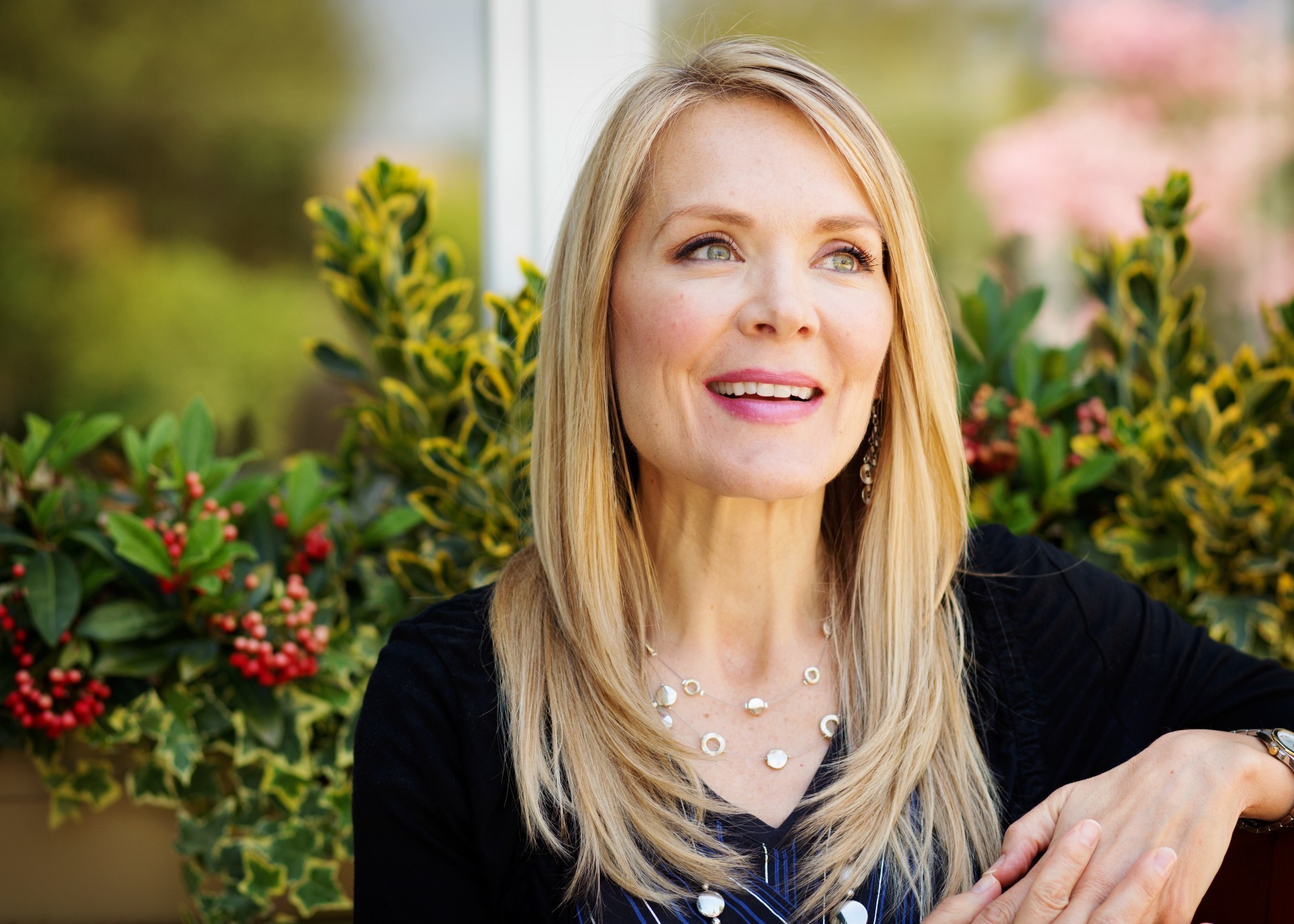
I had the pleasure of interviewing Melissa Dalton-Bradford, an author of books, essays and poetry, and a “global citizen,” who presents professionally on refugee relief and intercultural integration, a subject she has mastered after nearly 28 years of raising four children across nine countries and six languages.
Melissa and her husband currently reside outside of Frankfurt, Germany, from where Melissa devotes her energy and time as co-founder of two thriving international non-profits, including Their Story is Our Story (TSOS), an organization devoted to documenting and disseminating through multimedia first-hand accounts of refugee stories.
Thank you so much for joining us! Let’s show everyone you’re a normal human being. What are your hobbies, favorite places to visit, pet peeves? Tell us about YOU when you’re not at the office.
“Hobbies: For me, there’s almost nothing as therapeutically addictive as walking and hiking in nature. Gratefully, I live right on the edge of beautiful German forests with some elevation, and I have one of the most high-energy dogs known to man (a male Magyar Viszla named Finn), so I walk every day, sometimes when work permits for a few hours. I talk out loud, rail to the pines, preach, and just ask Finn, I also sing. I need that daily solitude because my other great hobby is people.
“Favorite Places: I love to travel anywhere and everywhere and get steeped in history and connect with others who are quite different from myself. We try to return regularly to the many places we have lived, but there are special little-known crannies in Paris and remote islands in Norway that hold meaning for us. That said, no place is really significant for me without a human experience associated with it. There are simple street corners and park benches that are more significant to me than many of the most famous monuments and museums we used to live right next to.
“Pet Peeves: Why do we English-speakers lumber into a yurt in Mongolia (or a cafe in Portugal, or a hotel in Croatia) and, without even trying to greet in the foreign language, launch right into our barking directives — -all in English? Why do we do that? Why?! Grrrrrr……”
Can you tell us something about you that few people know?
“I’m am so afraid of heights, I can hardly climb a ladder. And, I’m pretty sure I could live on nothing but water and homemade Syrian baklava.”
Do you have any exciting projects going on right now?
“The non-profit I helped found, Their Story is Our Story, is publishing Let Me Tell You My Story this October. I can honestly say it’s a ‘life-changing’ volume because all of us who have worked for two years to collect, transcribe, translate, photograph, paint, film and write these first-hand refugee stories have been permanently changed by the experience.
“We gathered these inspiring accounts of tragedy and survival, hope and courage during our team trips to camps and the streets in Greece, Italy, France and Germany. Also, in the book are uplifting profiles of volunteers from around the world who have invested their time and talents to help fellow human beings find their way in a new and foreign world. Brandon Stanton (of Humans of N” fame) has endorsed the book, saying it is a “meaningful and important collection’.”
Many people say success correlates with the people you meet in your life. Can you describe two that most impacted your success and why?
Read the rest of the interview HERE.
Helping ITPs Succeed: Insights from Leading Support Programs
Partner Profile: No One Left Behind
Their Story is Our Story and No One Left Behind (NOLB) joined forces in 2025 to launch the StoryShield program.
We spoke with Matthew Marcellus, Director of Communications with NOLB, and asked what the partnership with TSOS has meant for his organization and their Afghan clients.
Context with Layma
Social media presents us with an endless scroll of headlines and ‘hot takes’. What’s often missing is context. What is the history that led up to an event? Whose interests are served by a certain policy? What effects is that policy having on people’s lives? Layma Murtaza produces and hosts the video series “Context with Layma”, featured on Their Story is Our Story’s social media channels. We spoke to her about the context of her own life, as an Afghan-American and a professional in humanitarian aid, that led her to use storytelling to illuminate the personal and political context behind the headlines.