Segullah: Interview with Melissa Dalton-Bradford
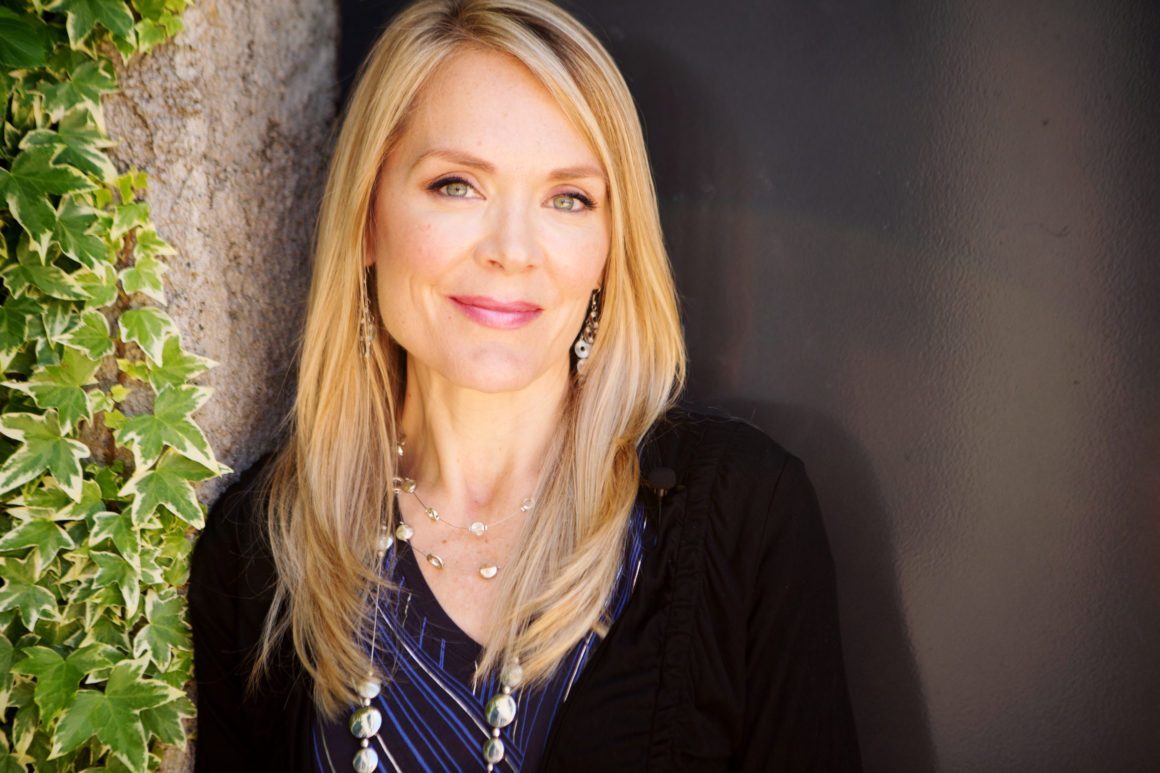
Written by Megan Carson
Our very own Melissa Dalton-Bradford, one of the founders of Their Story is Our Story, was recently interviewed by Segullah. She shares the experiences that initially inspired the creation of TSOS, gives her unique vision of the work we’ve done so far, and offers her compassionate plea for the world to embrace those among us who are seeking refuge. As she so carefully illustrates throughout this interview, we’ve seen and will likely continue to see, the stories of these refugees frequently remind us that their story is our story. Whatever our response to this crisis will determine how this story goes.
For the uninitiated, what is TSOS and how did it originate?
The greatest humanitarian crisis of modern history pushed against the floodgates of Europe early in the summer of 2015. Escalation of the Syrian war (and tangential events throughout the Middle East, including extremist groups and the Taliban) drove unprecedented numbers of desperate people westward, seeking refuge. The media was aflame with the images, European politicians were scrambling, and Germany’s Chancellor Angela Merkel took the bold lead in announcing that her country would open its doors, hoping that the rest of the surrounding countries would follow suit.
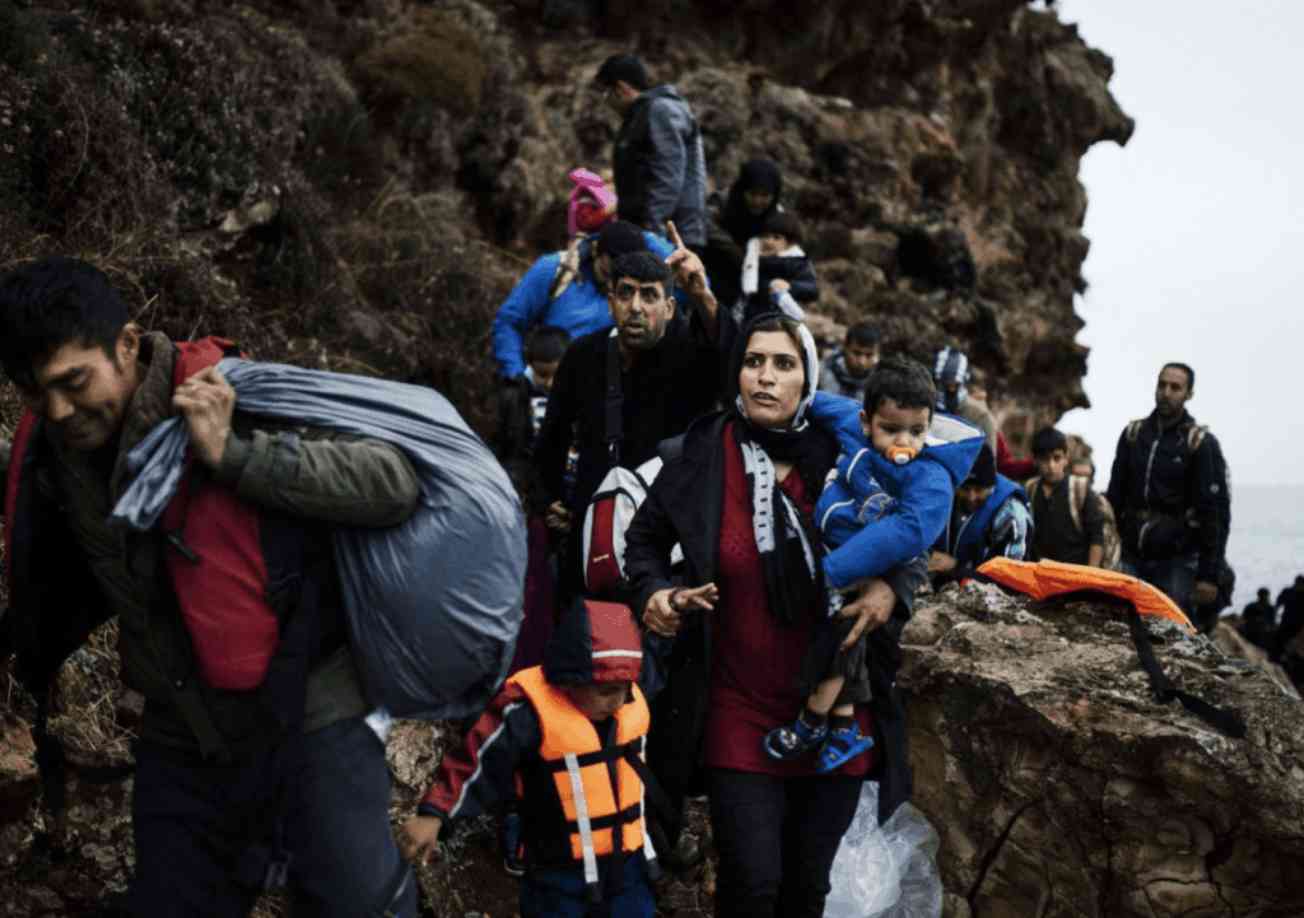
Our family had just settled in Frankfurt. I was ready to finally write my series of historical novels, a project I’d been researching for over two decades on the global road. Then the world tipped on its axis. Into our cozy German town skidded trainloads and busloads of refugees. Instinctively, and probably because I am a woman who knows what it takes to move countries, languages and cultures and to experience major loss in the middle of that all, I dove in to serve with my close friend (also US native) Trisha Leimer. Her daughter’s high school gym (right down the road from my home) had been converted overnight into an emergency reception center for 170 Syrian and Afghan refugees fresh off the trail. The hour I stepped into that gym to teach bleachers crowded with these humbled, hungry and distressed people German, I was consumed with a spirit I had never before felt. My heart swelled with love and compassion. How could I go home and write historical fiction in the face of such current reality? My life—our lives—were profoundly redirected.
Helping ITPs Succeed: Insights from Leading Support Programs
Partner Profile: No One Left Behind
Their Story is Our Story and No One Left Behind (NOLB) joined forces in 2025 to launch the StoryShield program.
We spoke with Matthew Marcellus, Director of Communications with NOLB, and asked what the partnership with TSOS has meant for his organization and their Afghan clients.
Context with Layma
Social media presents us with an endless scroll of headlines and ‘hot takes’. What’s often missing is context. What is the history that led up to an event? Whose interests are served by a certain policy? What effects is that policy having on people’s lives? Layma Murtaza produces and hosts the video series “Context with Layma”, featured on Their Story is Our Story’s social media channels. We spoke to her about the context of her own life, as an Afghan-American and a professional in humanitarian aid, that led her to use storytelling to illuminate the personal and political context behind the headlines.