What I Learned from a Walk Through the Redwoods
Written by Megan Carson
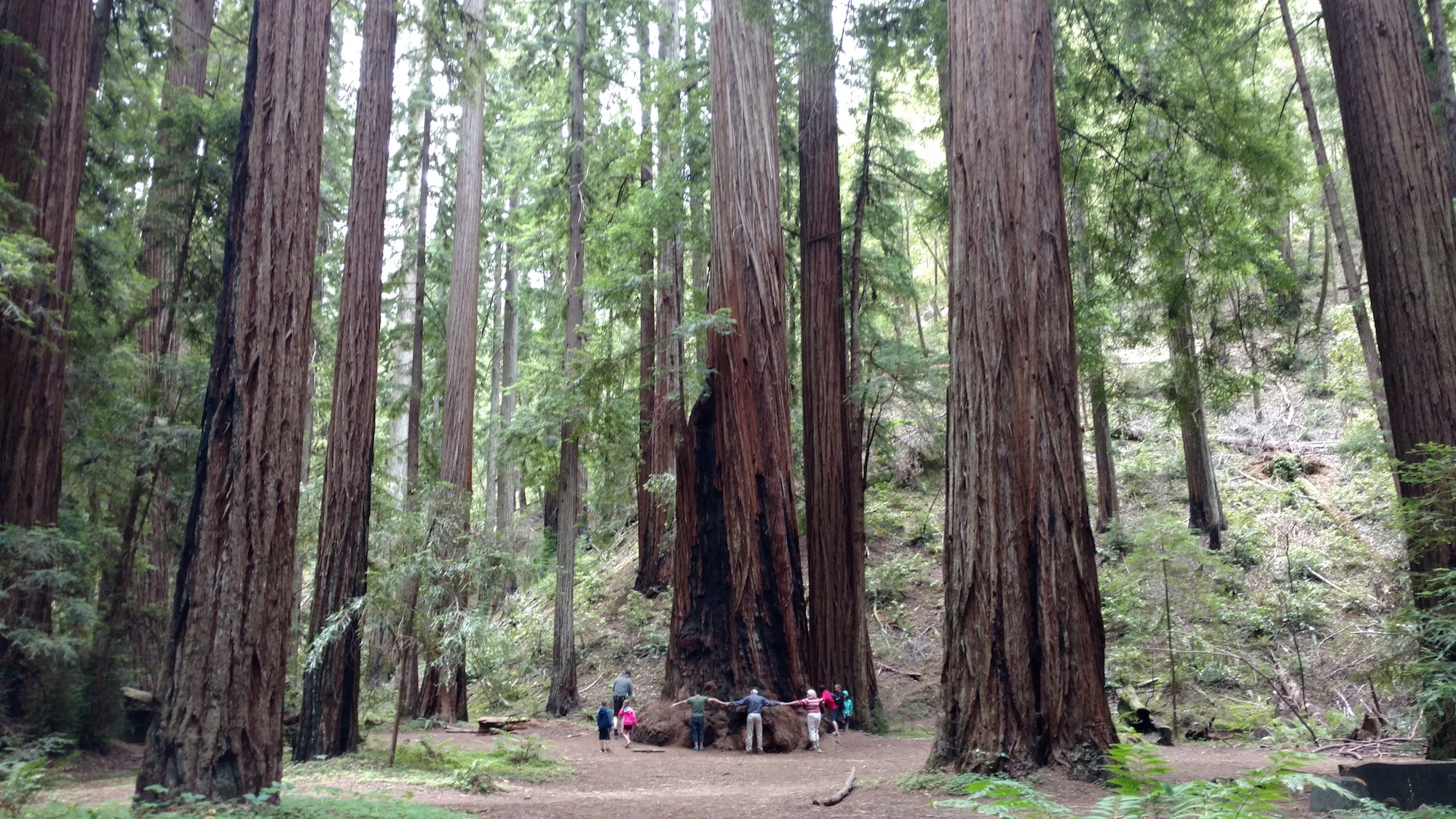
Recently our family went on a hike in one of our favorite places - a spectacular State Reserve about a 40-minute drive from our home. This particular reserve claims to be home to the tallest Redwood tree in the world, though in their midst you feel like each one of them could be the tallest.
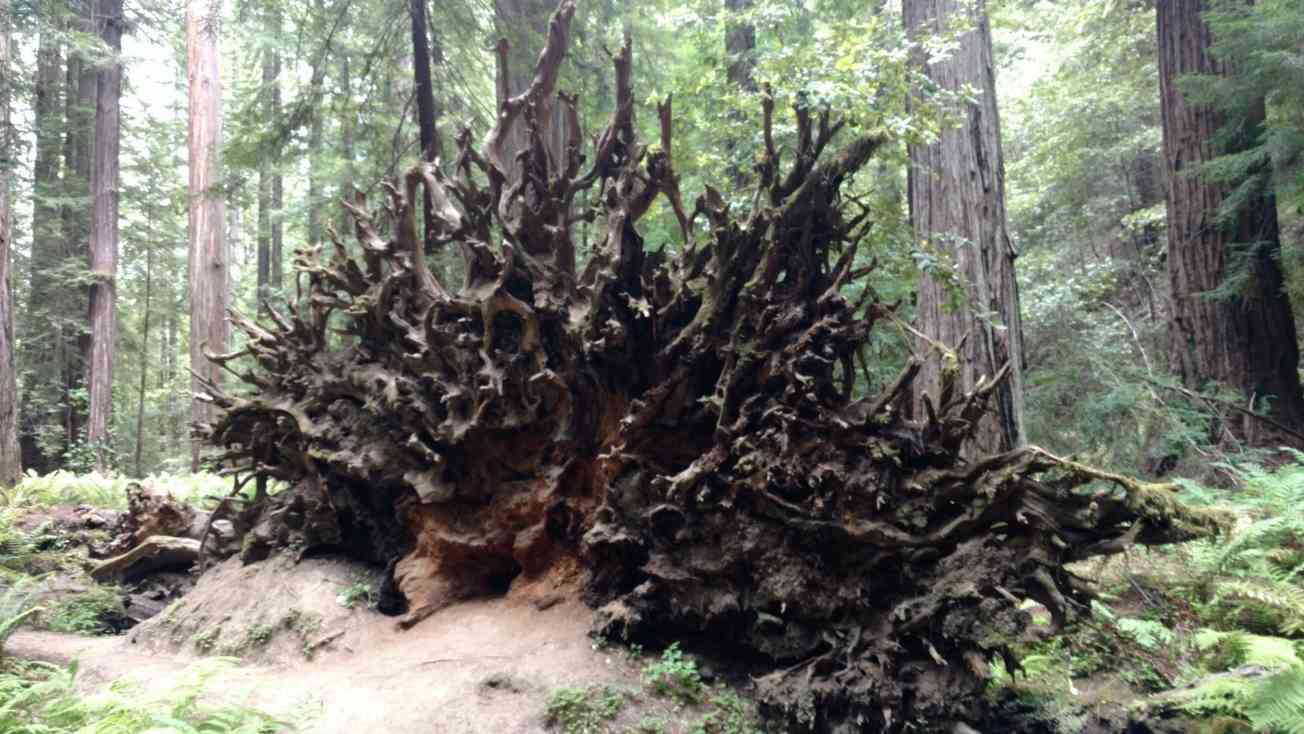
As you walk down into the cool, shaded grove of towering trees, you immediately feel microscopic amongst these gentle giants. Being the tallest type of tree in the world, they can grow to over 360 feet. With a height like that, you might assume that their roots grow hundreds of feet deep into the ground. But, interestingly, Redwoods have a very shallow root system that only reaches about 6-12 feet deep. Their strength lies in their roots stretching out, intertwining their roots with the roots of the other trees in the grove, reaching outward up to 50 feet, just below the surface of the ground.
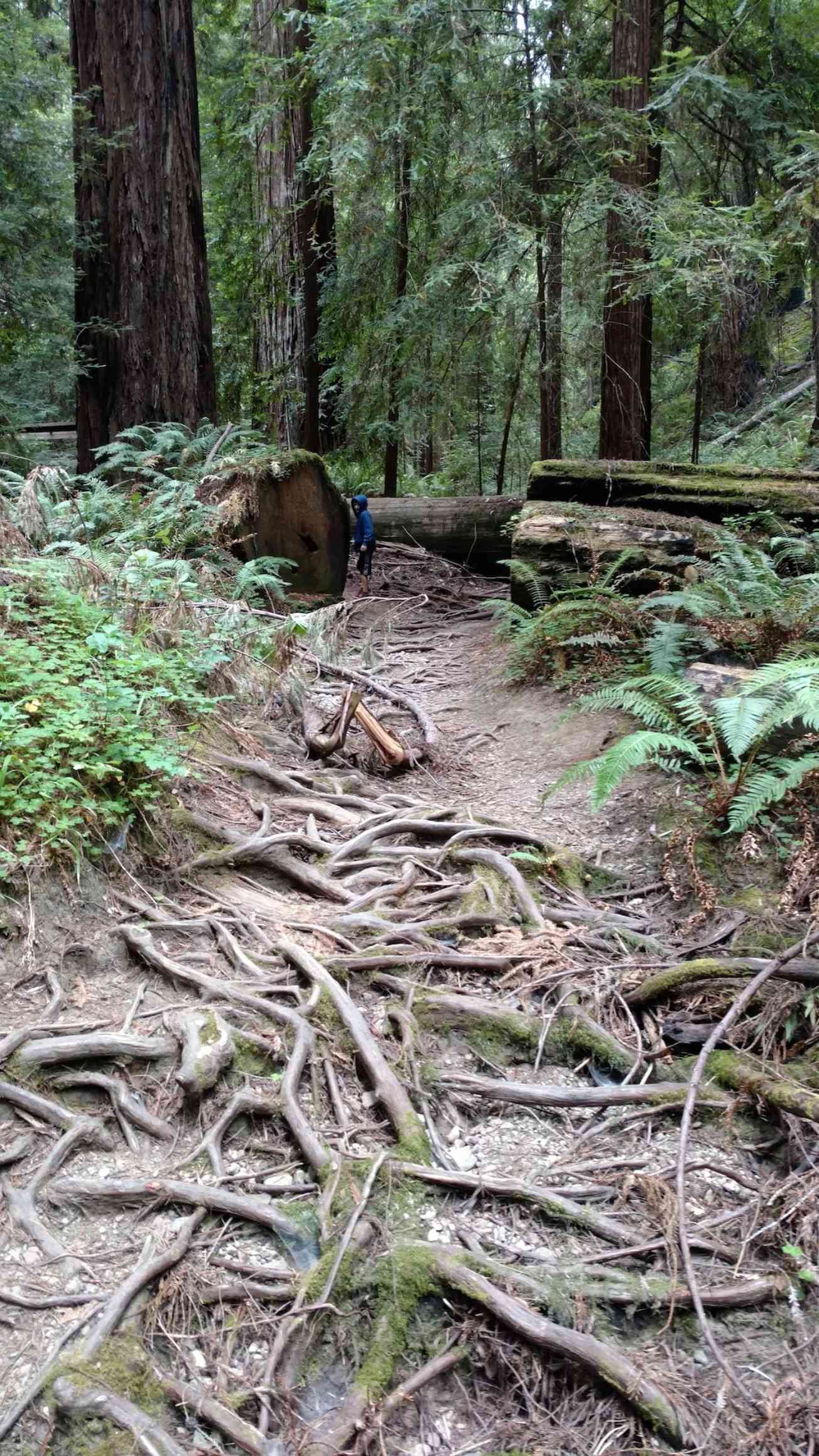
These beautiful, majestic giants gain strength from being connected to each other. Their roots intertwine and merge into a connectedness that allows them to nourish each other and hold each other up. When winds and storms, floods and earthquakes come, these trees stand firm and tall because of the connected community their roots have created.
This most recent walk through this favorite Redwood forest followed a trail of thoughts in my mind about the individuals and families I’ve come to know who are currently seeking refuge from their war-torn countries and traumatic personal experiences. They have been uprooted, through no choice of their own, now seeking a safe place to plant down their roots in a secure spot that will allow them to find relief and refuge.
But, more than that, just like these Redwoods, they need places where they can find connection and community. They need others who will reach out and grab a hold of their tender roots, holding on to them and merging their roots into one. This connectivity will help us all grow into bigger, stronger individuals, than we can possibly be standing solo.
What we will find, I’m certain, is that those connections and that community will end up being just as much, if not more, beneficial to those of us who welcome them in and nourish them as our own. From my experience in coming to know the refugees in my circle of friends, they will add to our lives with a rich abundance, resulting in a community that is stronger because of who they are and what they have to offer.
Helping ITPs Succeed: Insights from Leading Support Programs
Partner Profile: No One Left Behind
Their Story is Our Story and No One Left Behind (NOLB) joined forces in 2025 to launch the StoryShield program.
We spoke with Matthew Marcellus, Director of Communications with NOLB, and asked what the partnership with TSOS has meant for his organization and their Afghan clients.
Context with Layma
Social media presents us with an endless scroll of headlines and ‘hot takes’. What’s often missing is context. What is the history that led up to an event? Whose interests are served by a certain policy? What effects is that policy having on people’s lives? Layma Murtaza produces and hosts the video series “Context with Layma”, featured on Their Story is Our Story’s social media channels. We spoke to her about the context of her own life, as an Afghan-American and a professional in humanitarian aid, that led her to use storytelling to illuminate the personal and political context behind the headlines.