Bands for Refugees - Success!
Written by Megan Carson
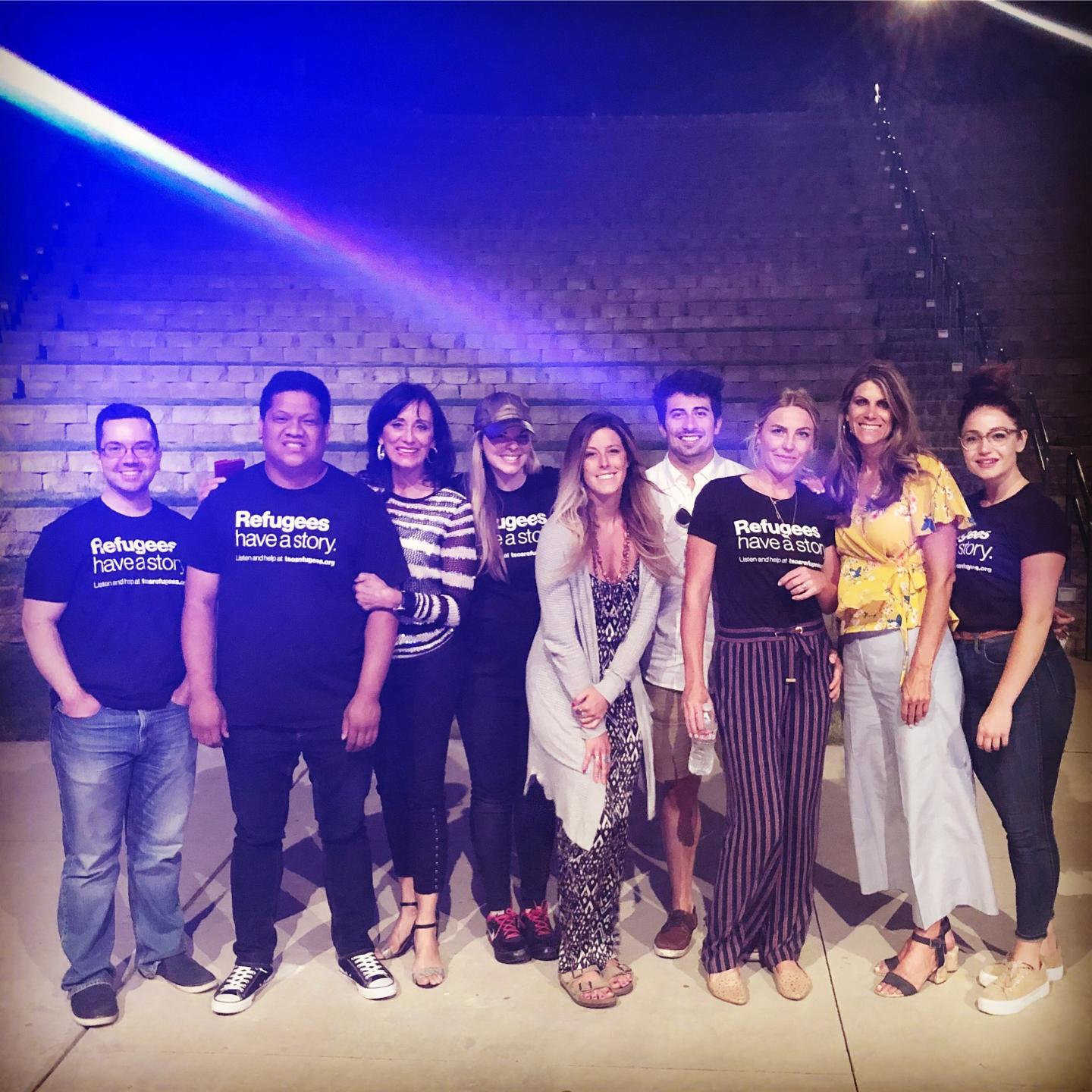
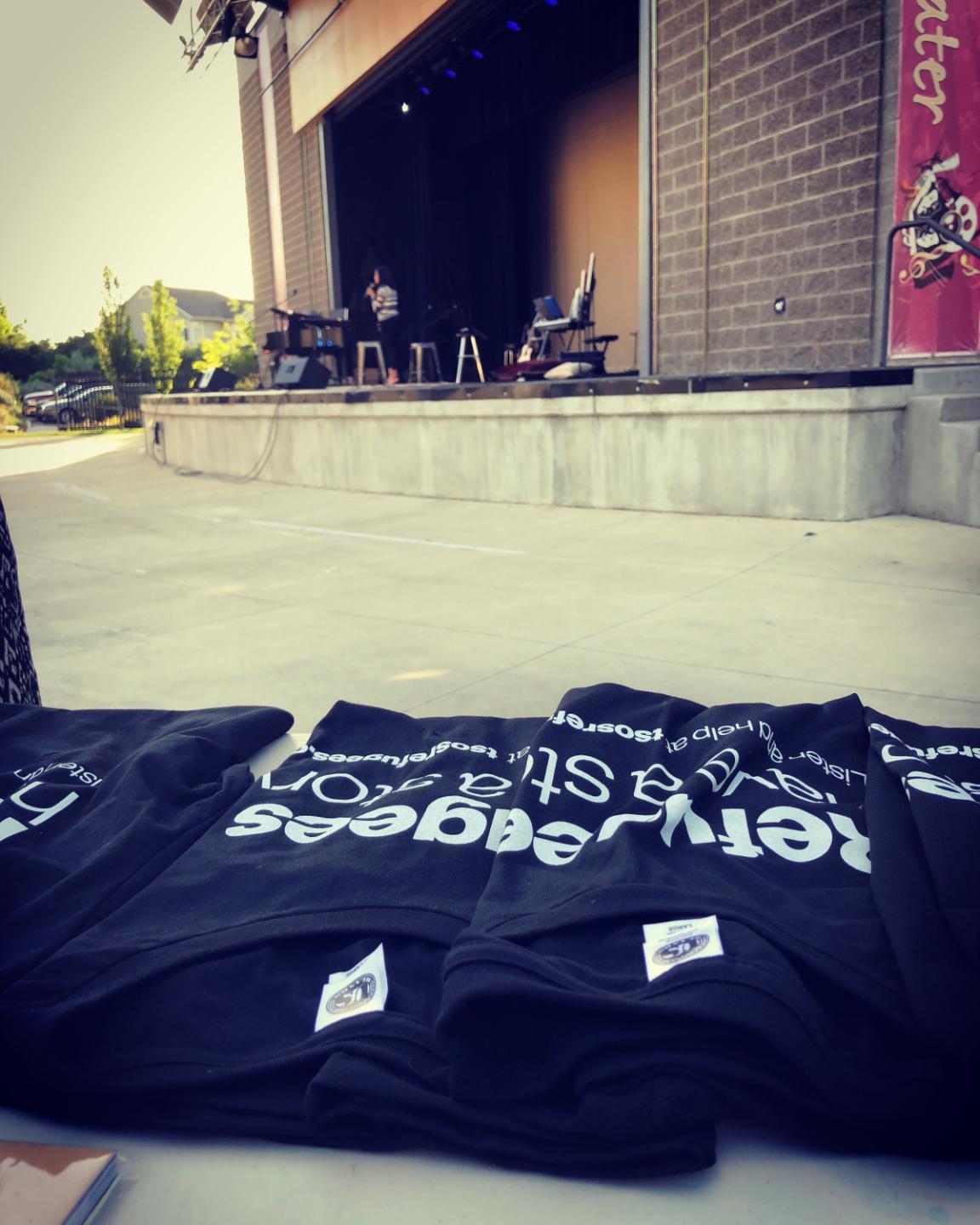
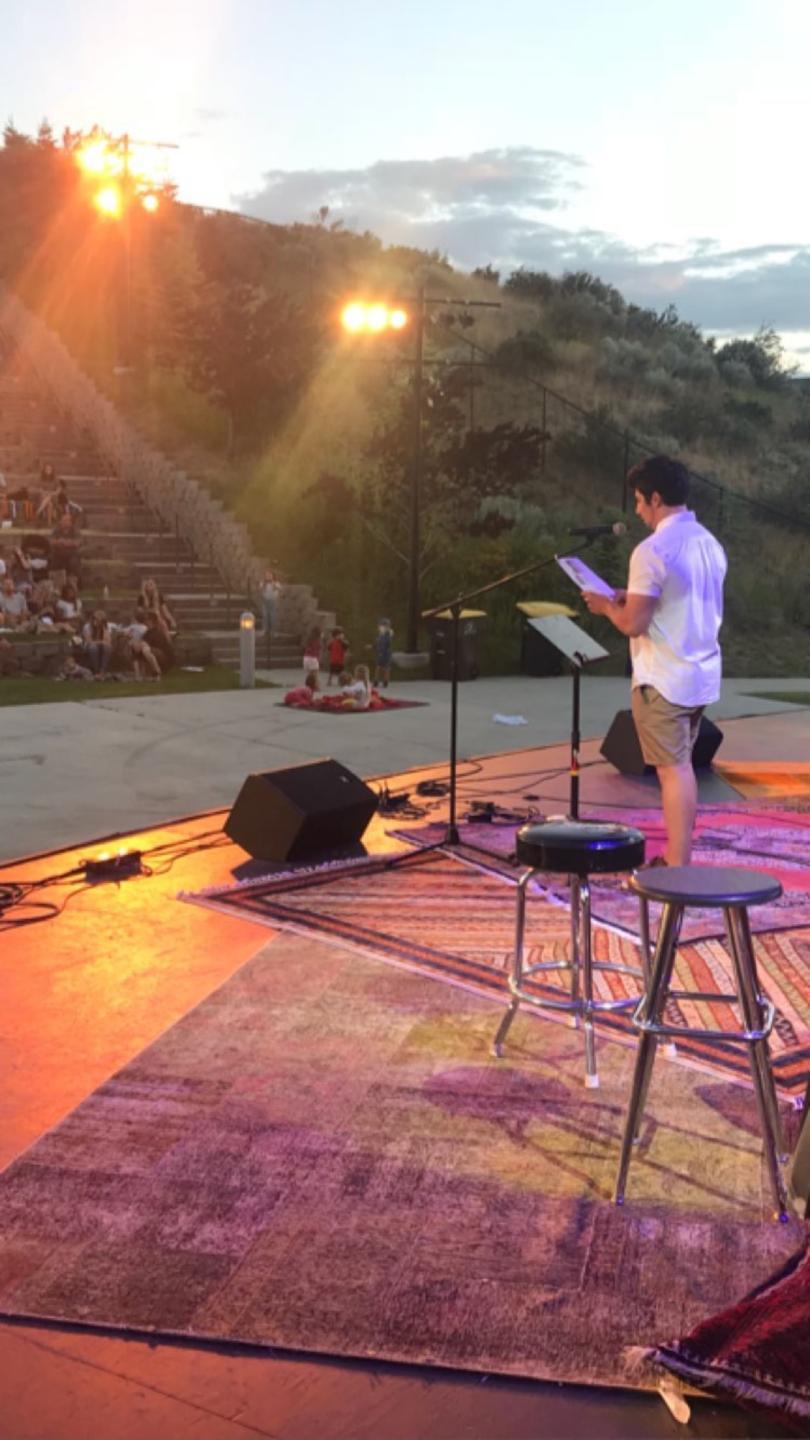
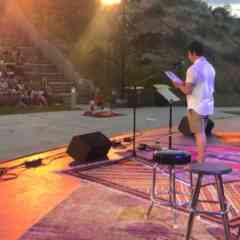
We’ll have more details coming soon of how our Bands for Refugees Event went tonight, but for now we simply want to send out a huge
THANK YOU!!!!
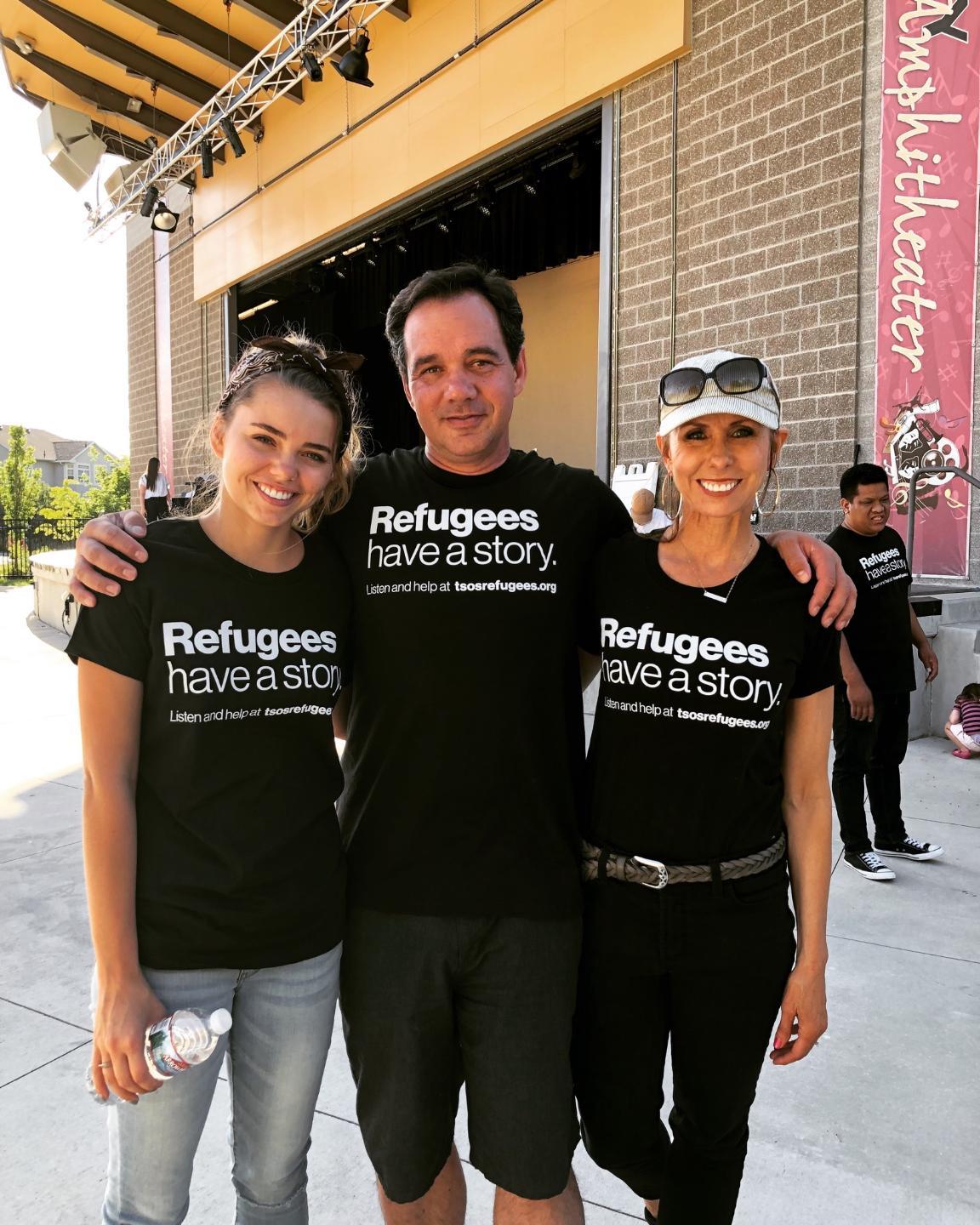
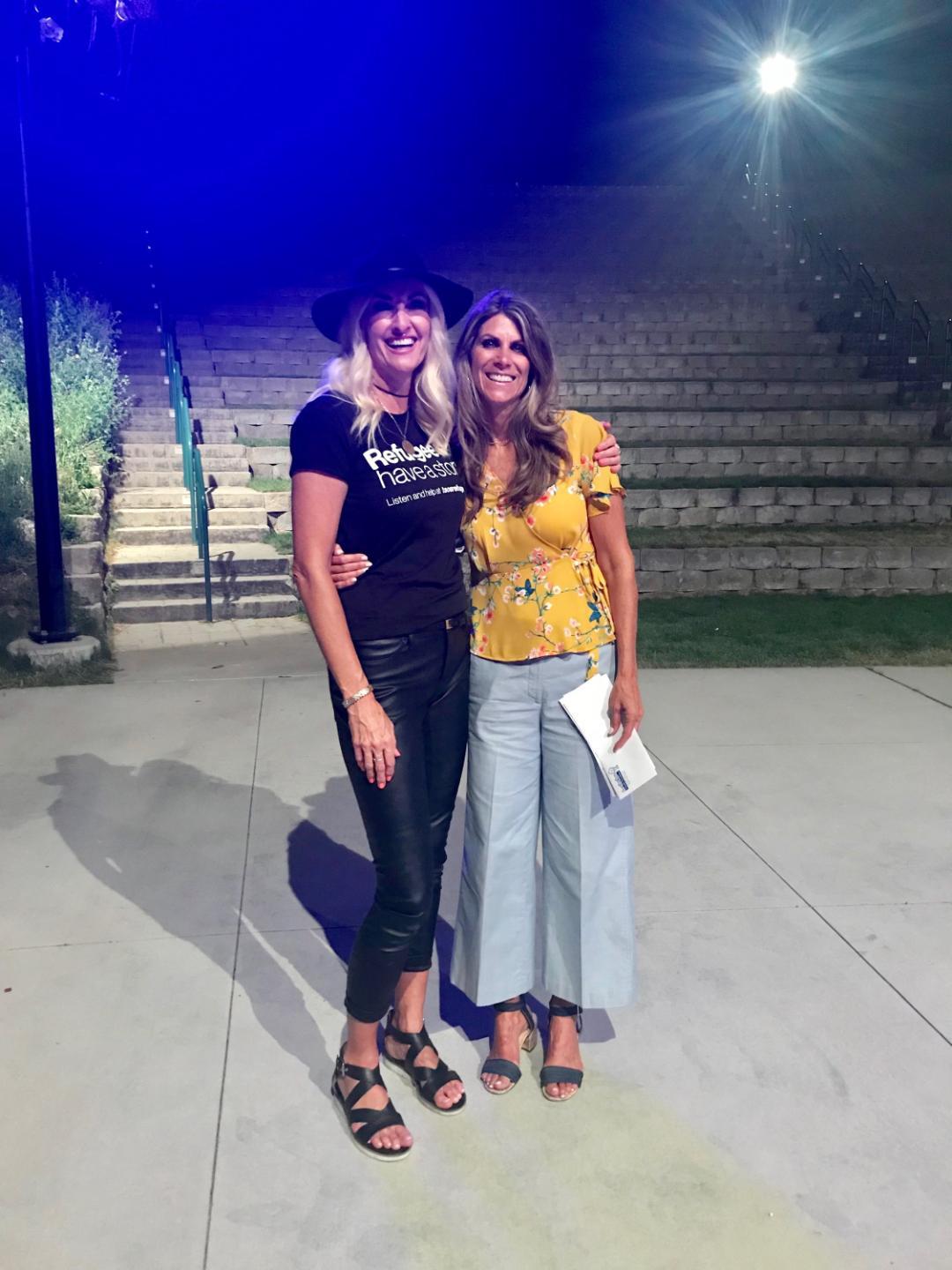
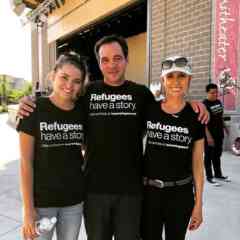
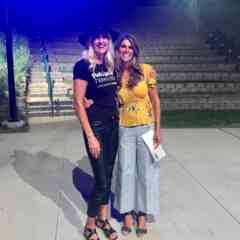
Thank you to all who volunteered time, talents, and gifts! And, to everyone who attended, thank you for the gift of your presence! Those who are refugees among us (in person and online) see your presence and it sends them a message that there are people who care! Keep showing up! Keep speaking out!
Please accept our humble thanks for joining your voices with ours and with our refugee friends! We need all who are willing to continue to raise their voices, echoing the truths about refugees. The world needs to hear their truth and your voice can be a voice of truth, of compassion, of change.
**NOTE: If you have photos from tonight, please share them with us! #BandsForRefugees
**AND, if there’s anything about the event that you’d like to share with us, we’d LOVE to hear how you were affected by this event! Send us a message through FB Messenger or through our website: https://tsosrefugees.org/conta...
Bands for Refugees
Helping ITPs Succeed: Insights from Leading Support Programs
Partner Profile: No One Left Behind
Their Story is Our Story and No One Left Behind (NOLB) joined forces in 2025 to launch the StoryShield program.
We spoke with Matthew Marcellus, Director of Communications with NOLB, and asked what the partnership with TSOS has meant for his organization and their Afghan clients.
Context with Layma
Social media presents us with an endless scroll of headlines and ‘hot takes’. What’s often missing is context. What is the history that led up to an event? Whose interests are served by a certain policy? What effects is that policy having on people’s lives? Layma Murtaza produces and hosts the video series “Context with Layma”, featured on Their Story is Our Story’s social media channels. We spoke to her about the context of her own life, as an Afghan-American and a professional in humanitarian aid, that led her to use storytelling to illuminate the personal and political context behind the headlines.