Displacement Can Happen to Anyone
Written by Hamed Arian
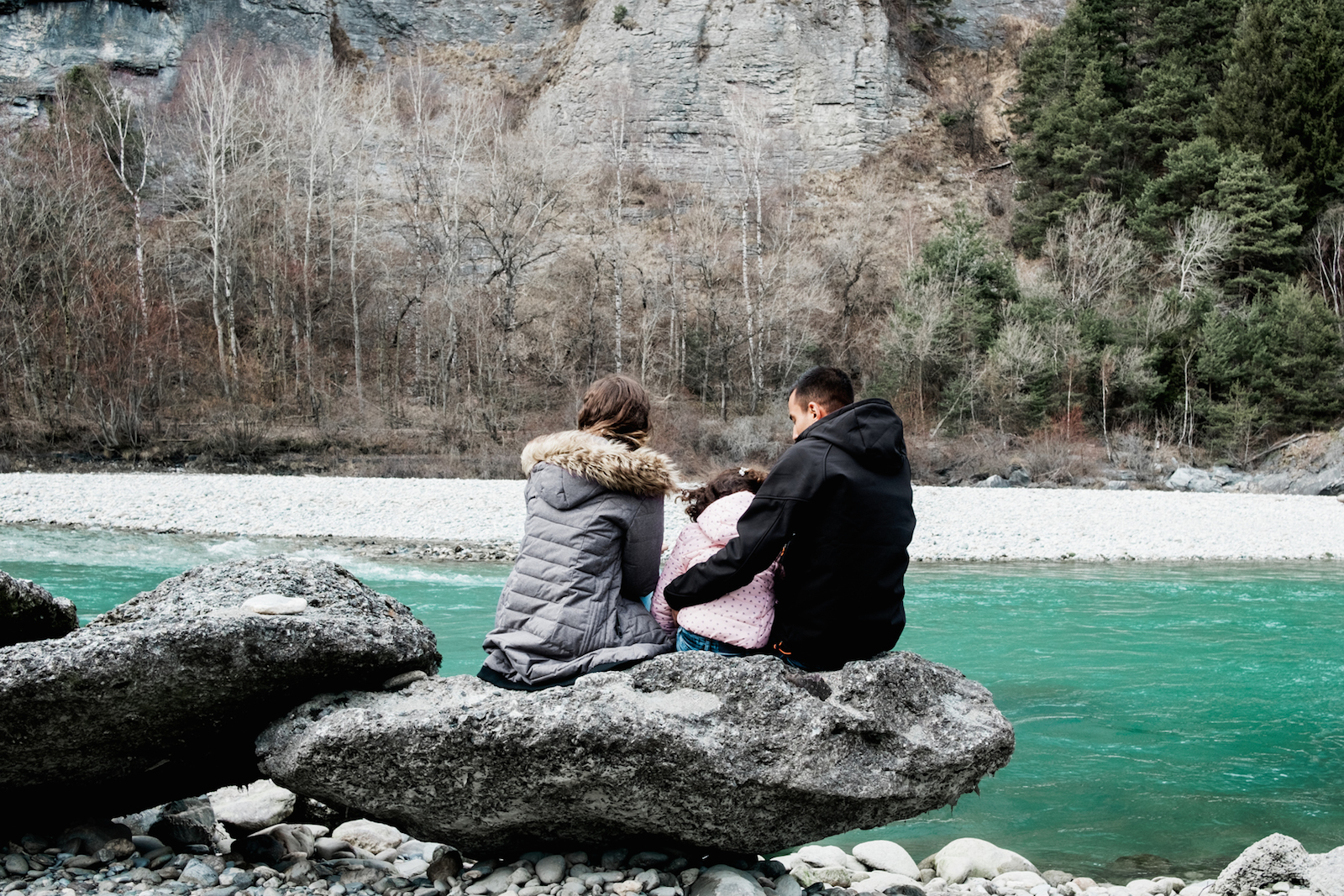
As mankind, living in this world together, we are all “refugees.” Because we are members of the same worldwide family, we should have empathy and solidarity for those who are forced to flee from their home countries because their lives are at risk. Displacement can happen to anyone.
Refugees who have been forced to leave their homelands and cross international boundaries cannot return home safely. Many have spent their whole lives struggling for their rights to live in peace. They did not choose to be refugees but were forced to seek asylum in other countries. As a worldwide family, they should be respected and welcomed to new homes and expected to contribute to the good of all in return.
I am honored to work with Their Story is Our Story: Giving Voice to Refugees (TSOS) as a translator and refugee coordinator and help them tell the stories of refugees to the world. I help them because I am a refugee and had to flee from my home country with my family to survive!
I am committed to work with TSOS, to stand with them and help them in as many ways as possible because I know refugees very well and I can feel their pains.
May God bless and protect them all and bring them happiness and peace. (Amen)
Helping ITPs Succeed: Insights from Leading Support Programs
Partner Profile: No One Left Behind
Their Story is Our Story and No One Left Behind (NOLB) joined forces in 2025 to launch the StoryShield program.
We spoke with Matthew Marcellus, Director of Communications with NOLB, and asked what the partnership with TSOS has meant for his organization and their Afghan clients.
Context with Layma
Social media presents us with an endless scroll of headlines and ‘hot takes’. What’s often missing is context. What is the history that led up to an event? Whose interests are served by a certain policy? What effects is that policy having on people’s lives? Layma Murtaza produces and hosts the video series “Context with Layma”, featured on Their Story is Our Story’s social media channels. We spoke to her about the context of her own life, as an Afghan-American and a professional in humanitarian aid, that led her to use storytelling to illuminate the personal and political context behind the headlines.