Written by Megan Carson
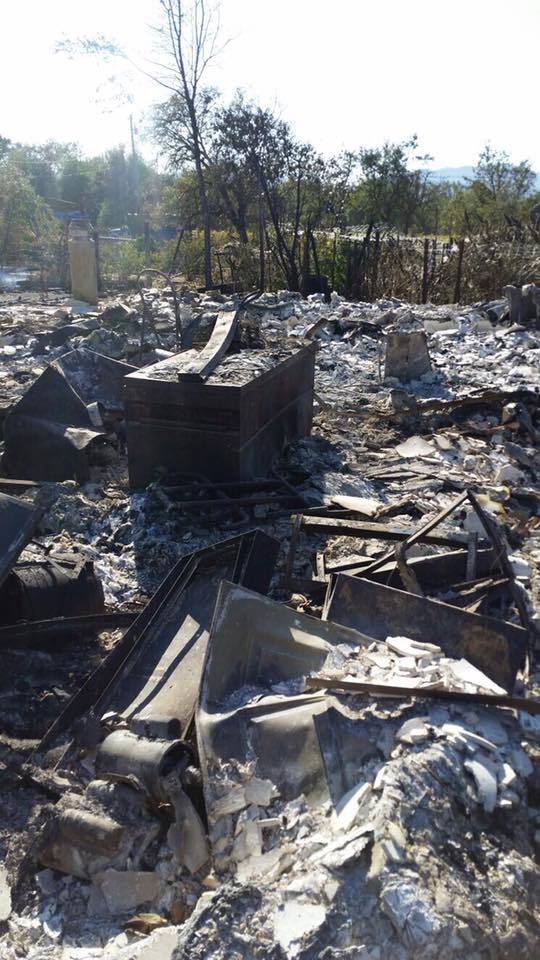
At the end of the summer last year, a group of women in my church took on a project to gather supplies for Welcome Baskets for refugees arriving to California, fresh off the plane from refugee camps on the other side of the world. We made fleece blankets and gathered kitchen supplies and treats. We wrapped up the bulk of the work on October 8th and the baskets were ready to be delivered. That night, devastating wildfires hit our area. Thirty overflowing Welcome Baskets lined the walls of my living room, waiting for the air to clear and the emergency here to settle.
After tending to the immediate needs of evacuees and fire survivors here for those couple of weeks, I was finally able to load my minivan and make the 3-hour drive down to the Bay Area to deliver the baskets, making our way through the fire-ravaged counties south of us. The morning greeted us with a thick, gray haze that hung heavy above the rolling vineyards, casting a muted, sad gray to what is usually the most vibrant time of year for Sonoma and Napa Valleys. My heart felt heavy for the loss and devastation we’d witnessed the previous two weeks and to see how far the damage extended. The decimation, though not caused by war, looked like the results of war.
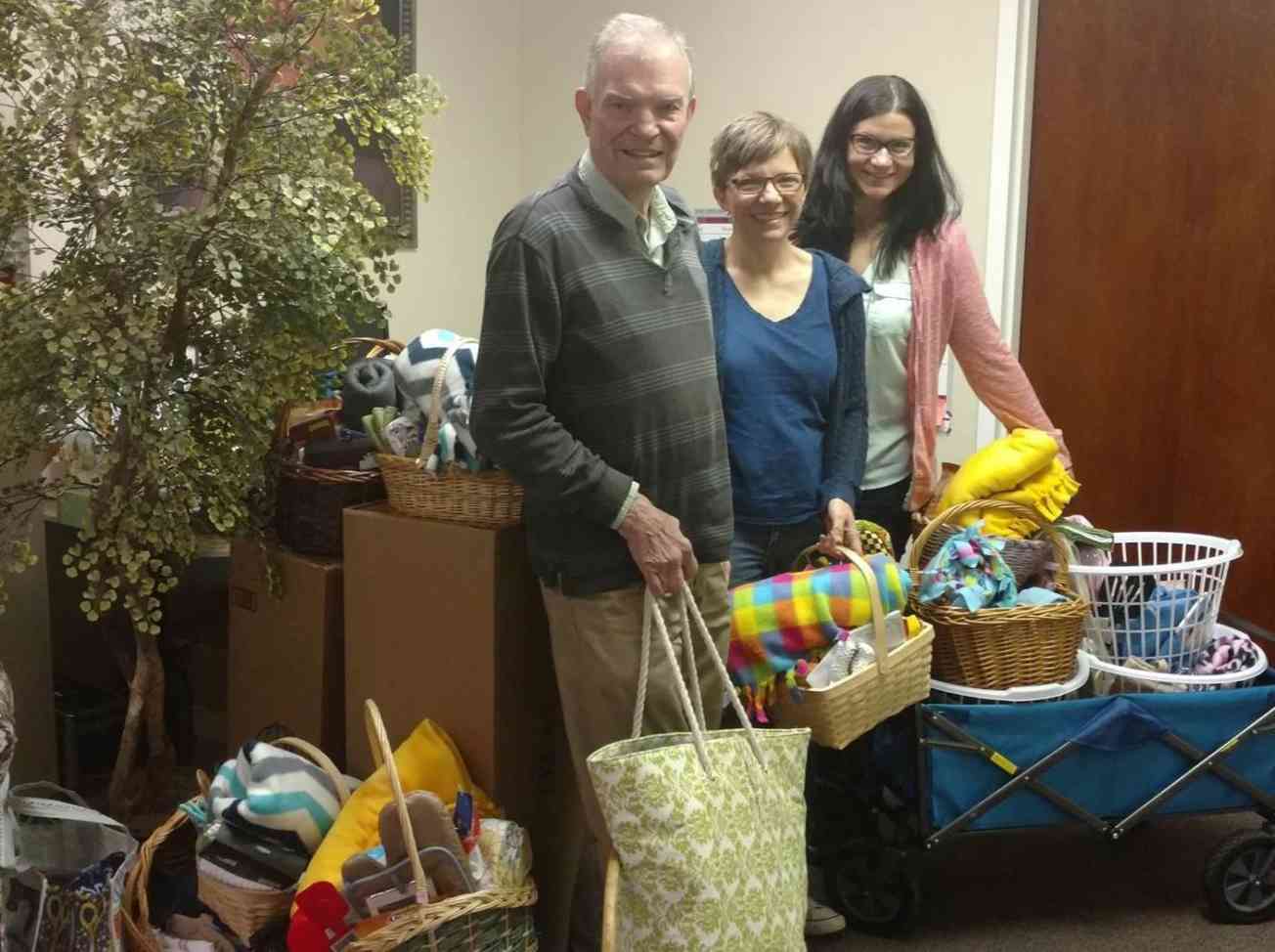
At our first stop, we met Nora from Jewish Family & Community Services, who very gratefully received 20 of our baskets. While we were there, a father and daughter, recent refugees through their agency from Afghanistan, came in to pick up some things in their office. We didn’t have much interaction with them, but looking into their eyes, I saw a similar look I’d seen the previous week in the eyes of fire victims at fire relief/evacuation centers in my town. It was clear they knew devastation and loss even greater, witnessed events that were much more traumatic than what we’d experienced. It was visible in the worry lines on their faces, the way they looked around with caution, the somberness that made me hesitant to break the silence. I hoped they went away with one of our baskets.
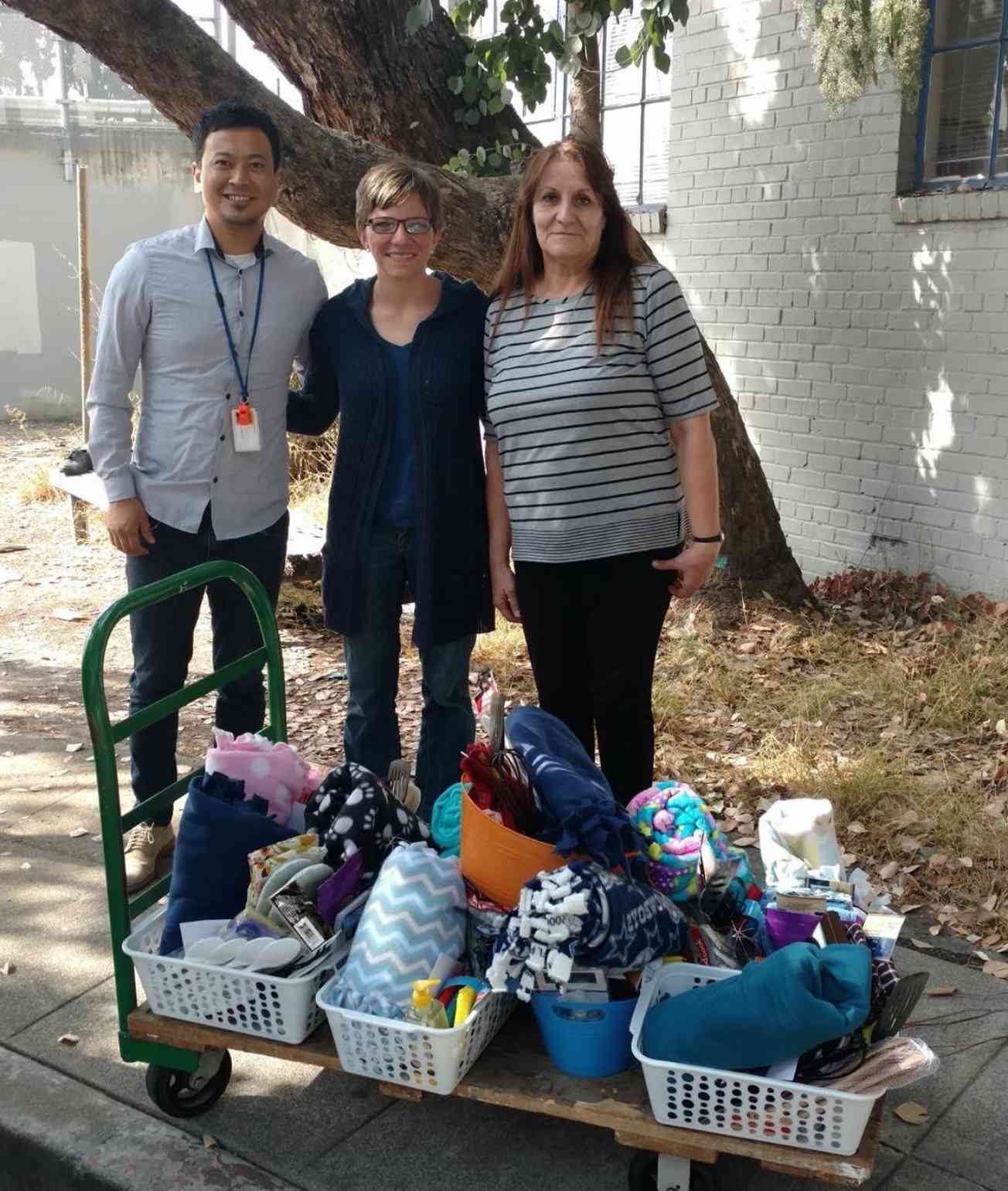
Next, we made our way to Catholic Charities to deliver the other 10 baskets, where we were greeted by Hana. As we moved the baskets from my car to their office, we heard the brief version of her story. She was a refugee that came here from Iraq 10 years ago. Nine years ago she was hired by Catholic Charities to help with their refugee resettlement. She knows Arabic, she knows the culture, she knows the suffering, she understands how to minister to the needs of the refugees that she now helps as they arrive here and find their way through integrating into their new life.
Both women at both locations were so grateful, and so kindly took the time to show us their agencies, to tell us about the work they’re doing, about the families they’re helping. One that I’m still stunned by was a family that just arrived from a refugee camp in Africa. The husband and wife had to be shown how to turn on an oven, how to flush a toilet; the conditions of their previous life were such that those things were completely new to them. Can you imagine? I’m still wrapping my head around that one. If they needed help with such simple tasks, imagine trying to navigate your way through a new land with a new language on top of it. I wish I could be their neighbor. I hope they received one of our baskets and I hope it helps them feel loved and welcomed.
Within two hours, I’d heard from JFCS that they had already given away six of our baskets to families that had recently moved into their new homes and now had a welcome basket to go with it.
As we drove home, back through the evidences of devastation from the fires, I thought of what our community had been through in the previous couple of weeks and I thought of these refugees and the war-torn countries they come from, fleeing for their lives, searching for security and to re-build a brighter future. If we can pause our lives long enough to take what we know of pain and devastation and then add to it the idea of losing everything, not having government assistance to help you rebound, no insurance to recover your losses. Then, in that state of trauma, imagine being forced to leave, to walk thousands of miles to some unknown destination, to then live in a tent for years with no end in sight, only then our eyes might be opened to see our refugee friends differently.
If we would really hear their stories, I know we’d learn something about suffering and loss, resilience and hope. We’d be united in our mutual sorrow, healed by our common humanity. Pain and grief become the common denominator that can bring us together to mourn together and to comfort each other. Somehow, I hope a simple Welcome Basket sends a loud message - that our arms are extended with love to bring them in and help them feel at home. There is work yet to be done and so many opportunities to do it, near and far.
Helping ITPs Succeed: Insights from Leading Support Programs
Partner Profile: No One Left Behind
Their Story is Our Story and No One Left Behind (NOLB) joined forces in 2025 to launch the StoryShield program.
We spoke with Matthew Marcellus, Director of Communications with NOLB, and asked what the partnership with TSOS has meant for his organization and their Afghan clients.
Context with Layma
Social media presents us with an endless scroll of headlines and ‘hot takes’. What’s often missing is context. What is the history that led up to an event? Whose interests are served by a certain policy? What effects is that policy having on people’s lives? Layma Murtaza produces and hosts the video series “Context with Layma”, featured on Their Story is Our Story’s social media channels. We spoke to her about the context of her own life, as an Afghan-American and a professional in humanitarian aid, that led her to use storytelling to illuminate the personal and political context behind the headlines.