Oinofyta Today
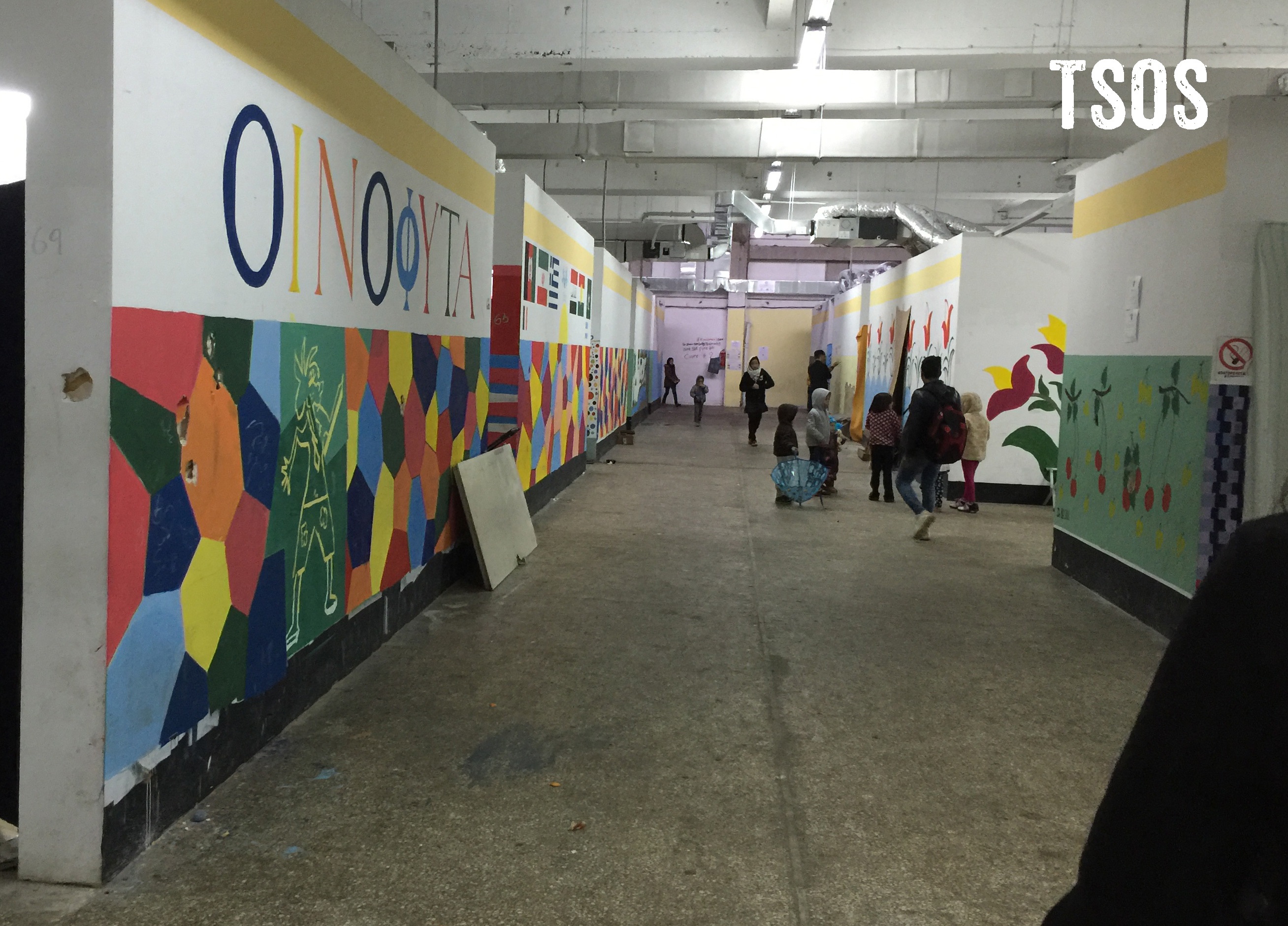
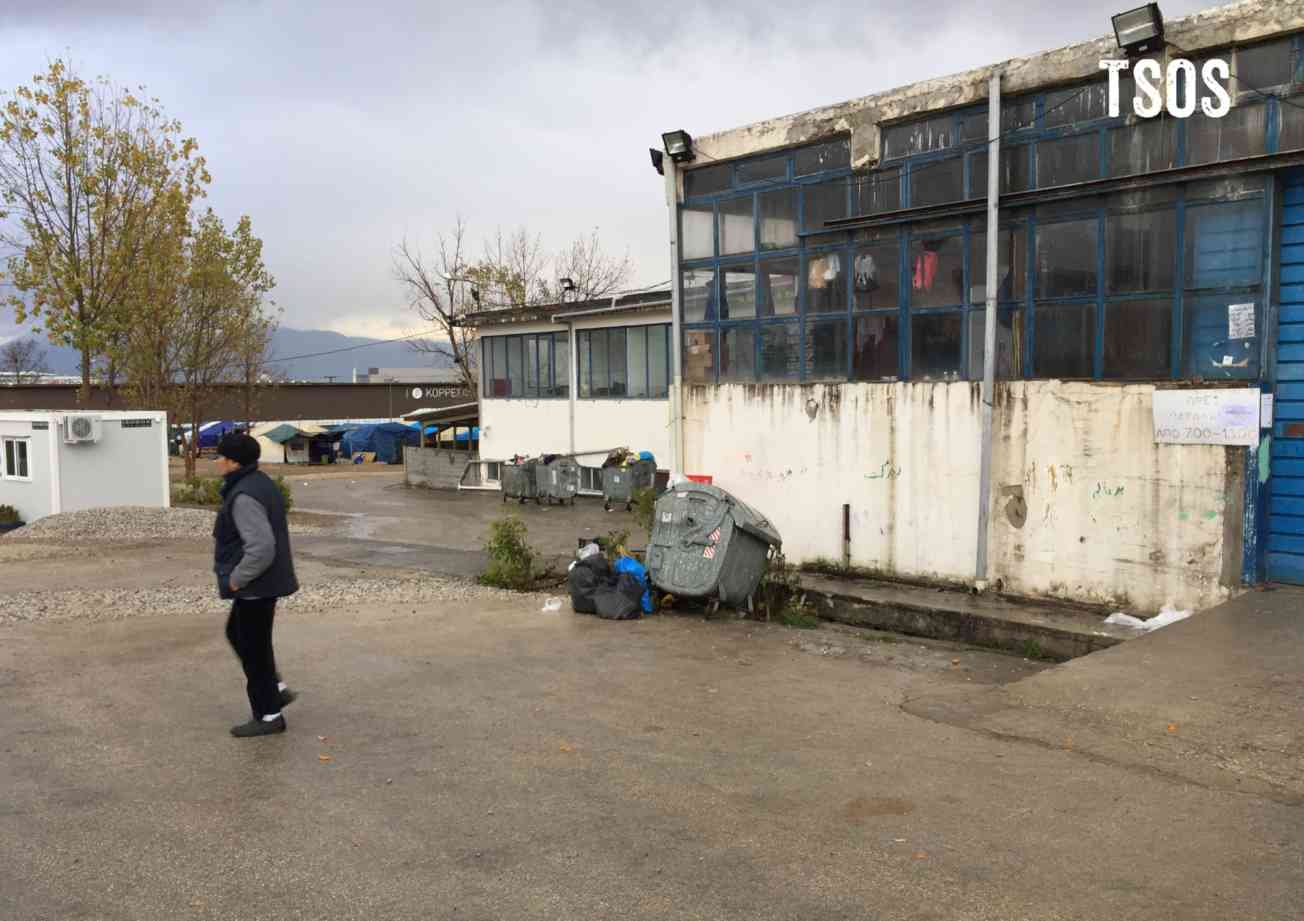
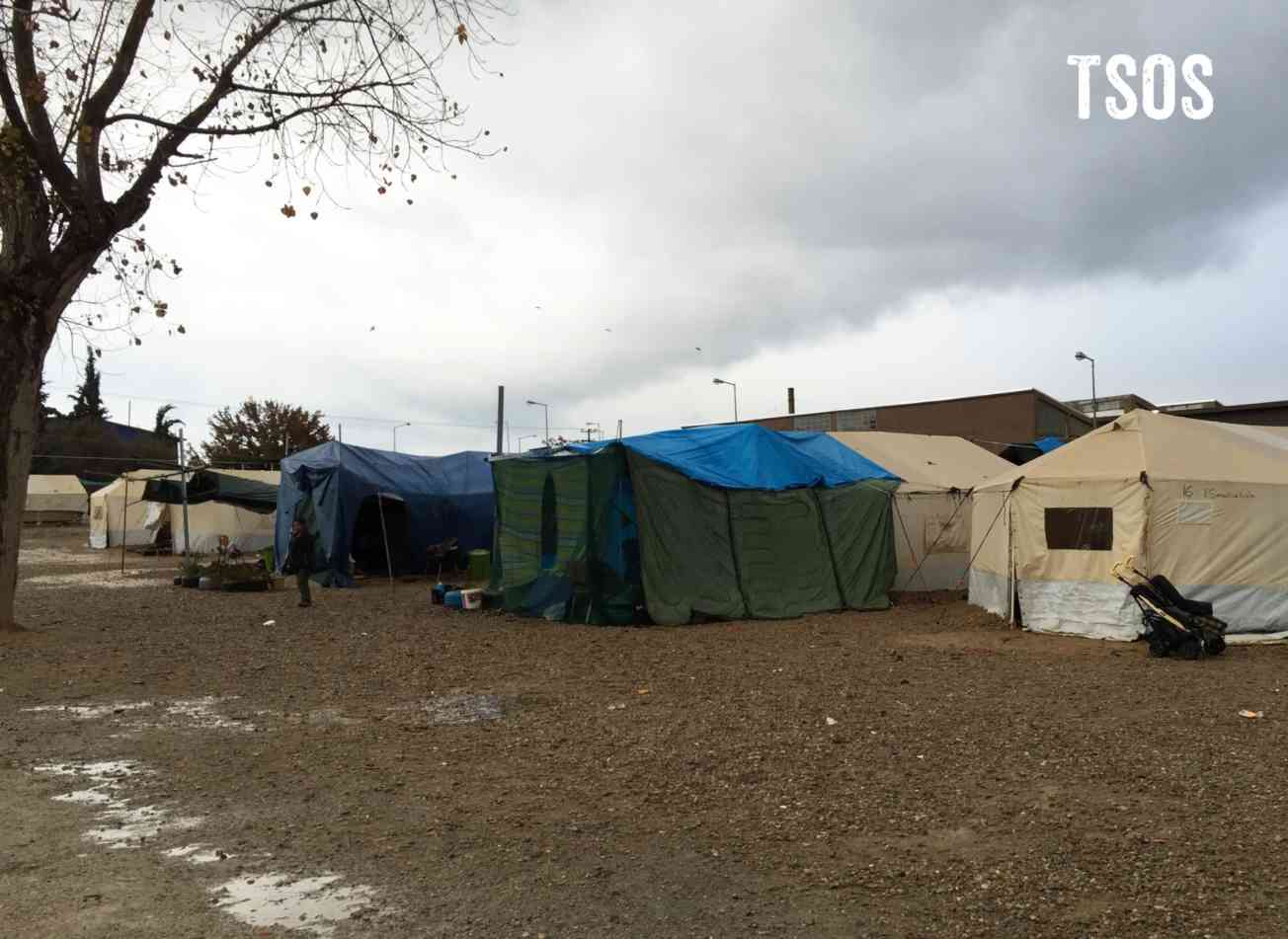
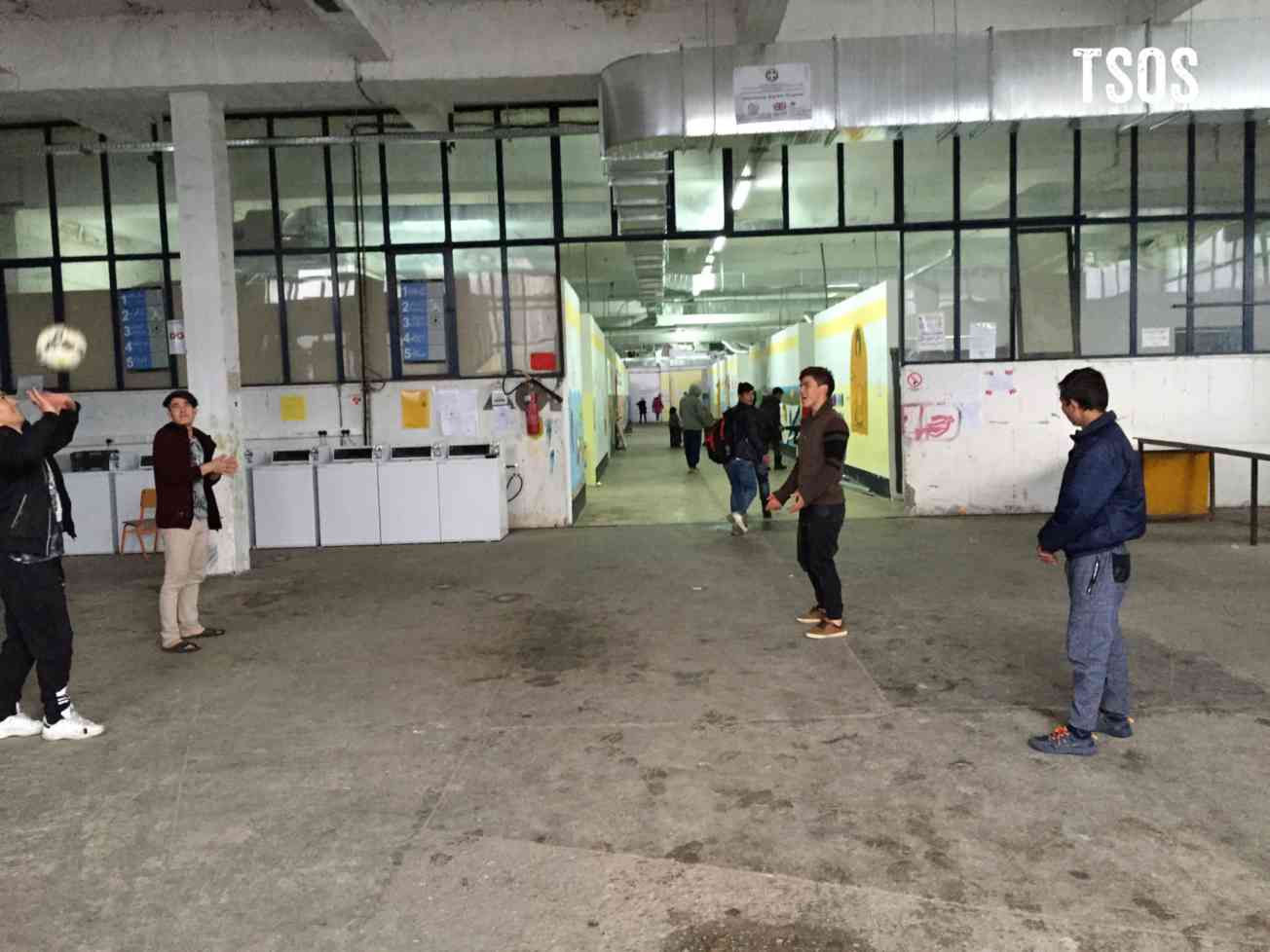
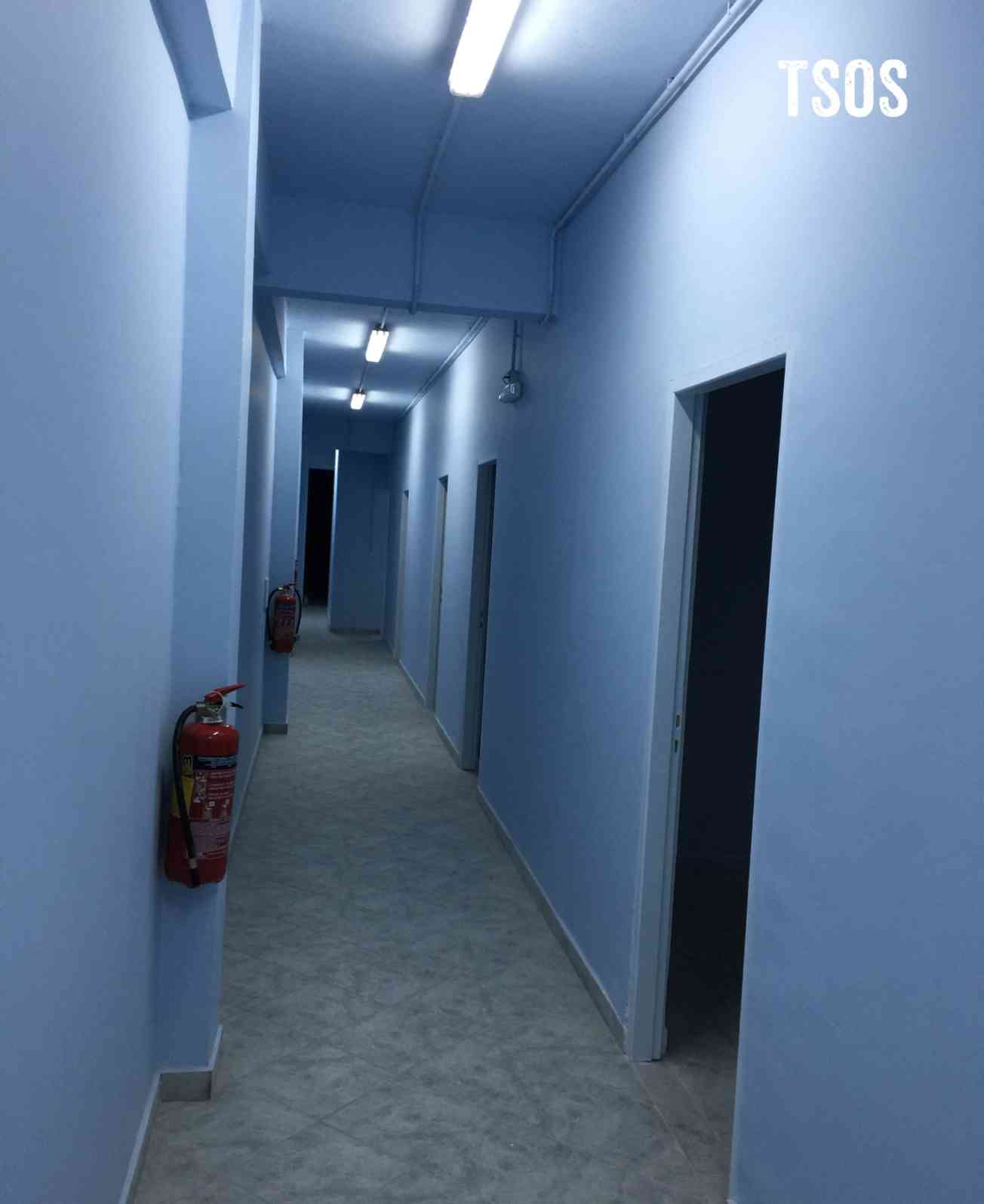
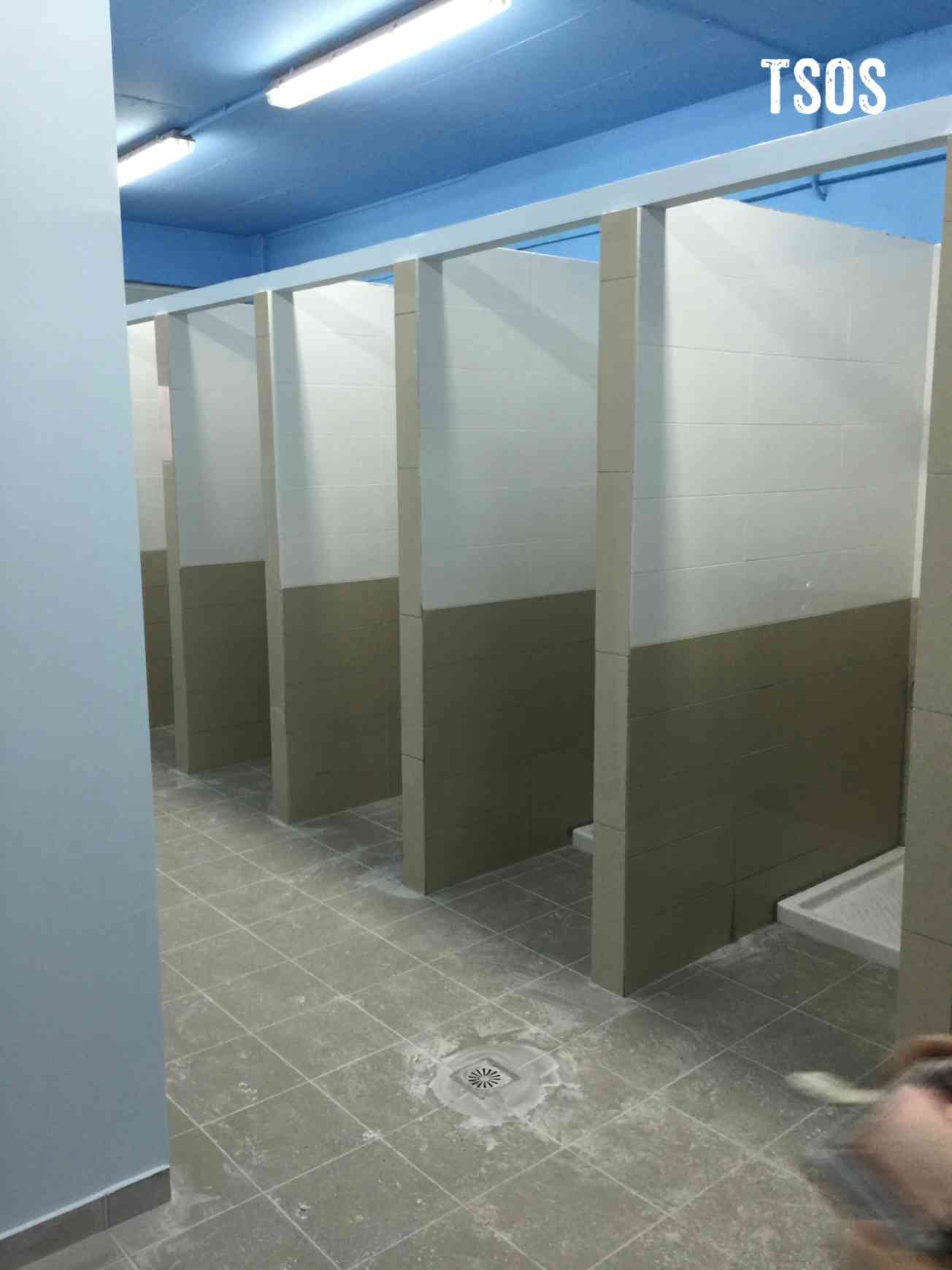
Much has changed. It is freezing and wet, the heating is broken, the basement is full of sewage, they and a big brawl in the camp last night among the residents. But they have some new rooms inside the warehouse and they just had the ribbon cutting ceremony for single men’s facilities in the top floor of part of the warehouse that can house 70 men (periwinkle blue hallways).
Tomorrow I will meet with Jess, Lisa’s second in command, to get the pictures figured out and find out who is still here in the camp. Then we will do mandalas with them for several hours. I saw several familiar faces. I’m eager to touch base with them.
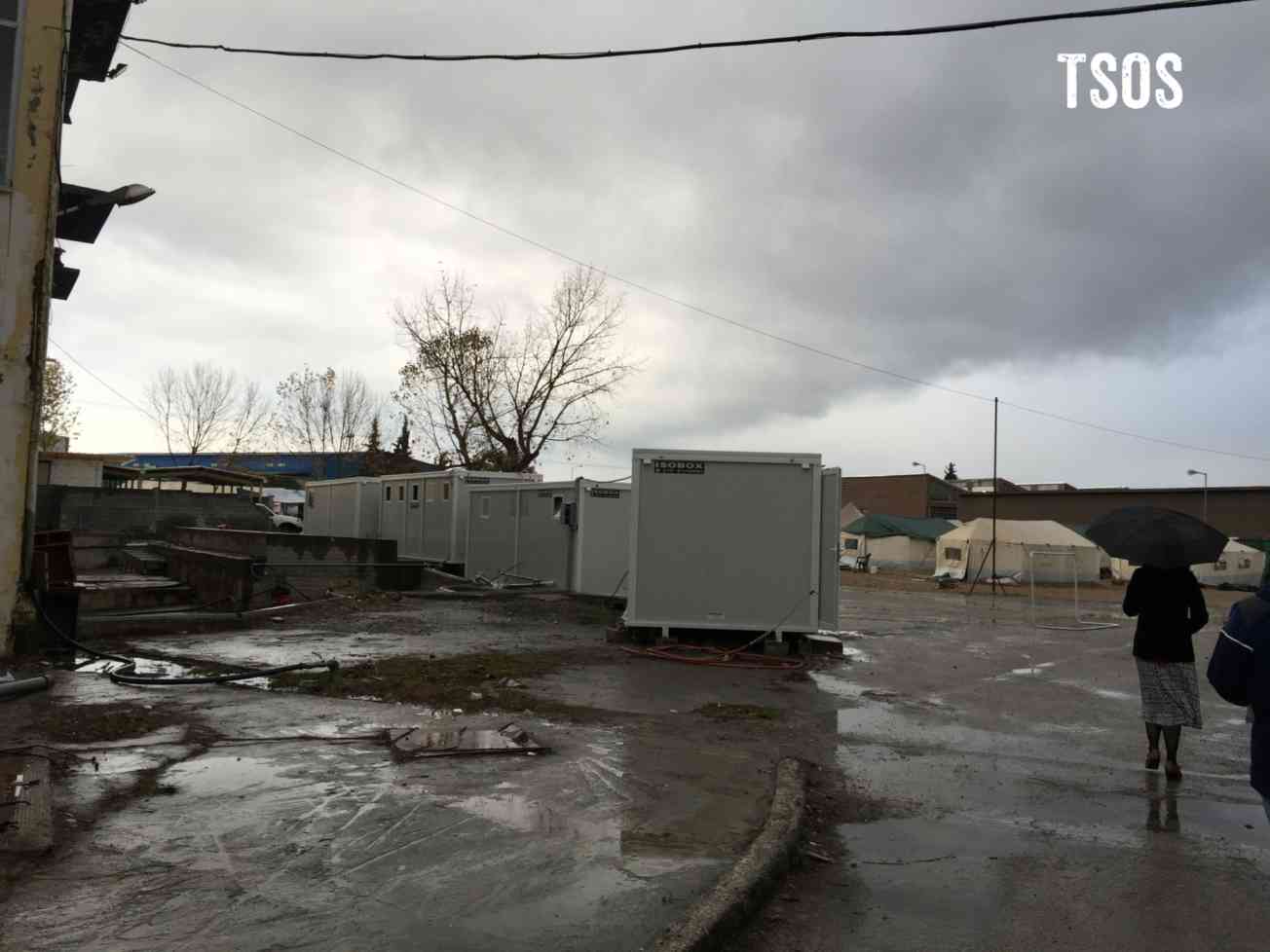
THE NEXT DAY:
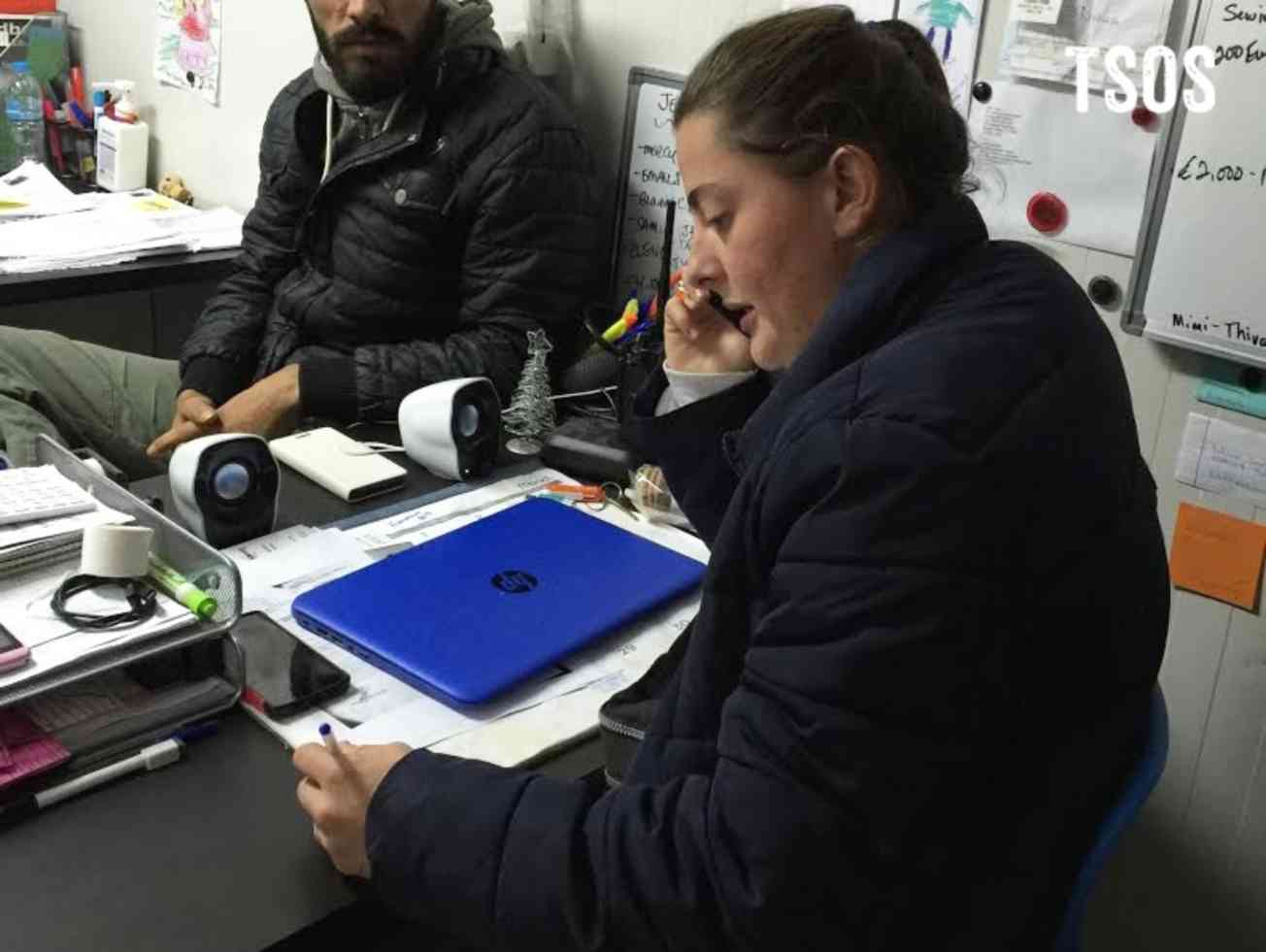
I wish I could have taken a picture of the line of 10-12 people crowded into the small office and huddling in front of Jess’ desk waiting to ask for blankets and sleeping bags, etc. Very colorful, very tense. It is miserable for everyone right now. Jess is handling it well and hopes to survive until Lisa returns. (She only left yesterday).
Helping ITPs Succeed: Insights from Leading Support Programs
Partner Profile: No One Left Behind
Their Story is Our Story and No One Left Behind (NOLB) joined forces in 2025 to launch the StoryShield program.
We spoke with Matthew Marcellus, Director of Communications with NOLB, and asked what the partnership with TSOS has meant for his organization and their Afghan clients.
Context with Layma
Social media presents us with an endless scroll of headlines and ‘hot takes’. What’s often missing is context. What is the history that led up to an event? Whose interests are served by a certain policy? What effects is that policy having on people’s lives? Layma Murtaza produces and hosts the video series “Context with Layma”, featured on Their Story is Our Story’s social media channels. We spoke to her about the context of her own life, as an Afghan-American and a professional in humanitarian aid, that led her to use storytelling to illuminate the personal and political context behind the headlines.