Written by Lindsay Silsby
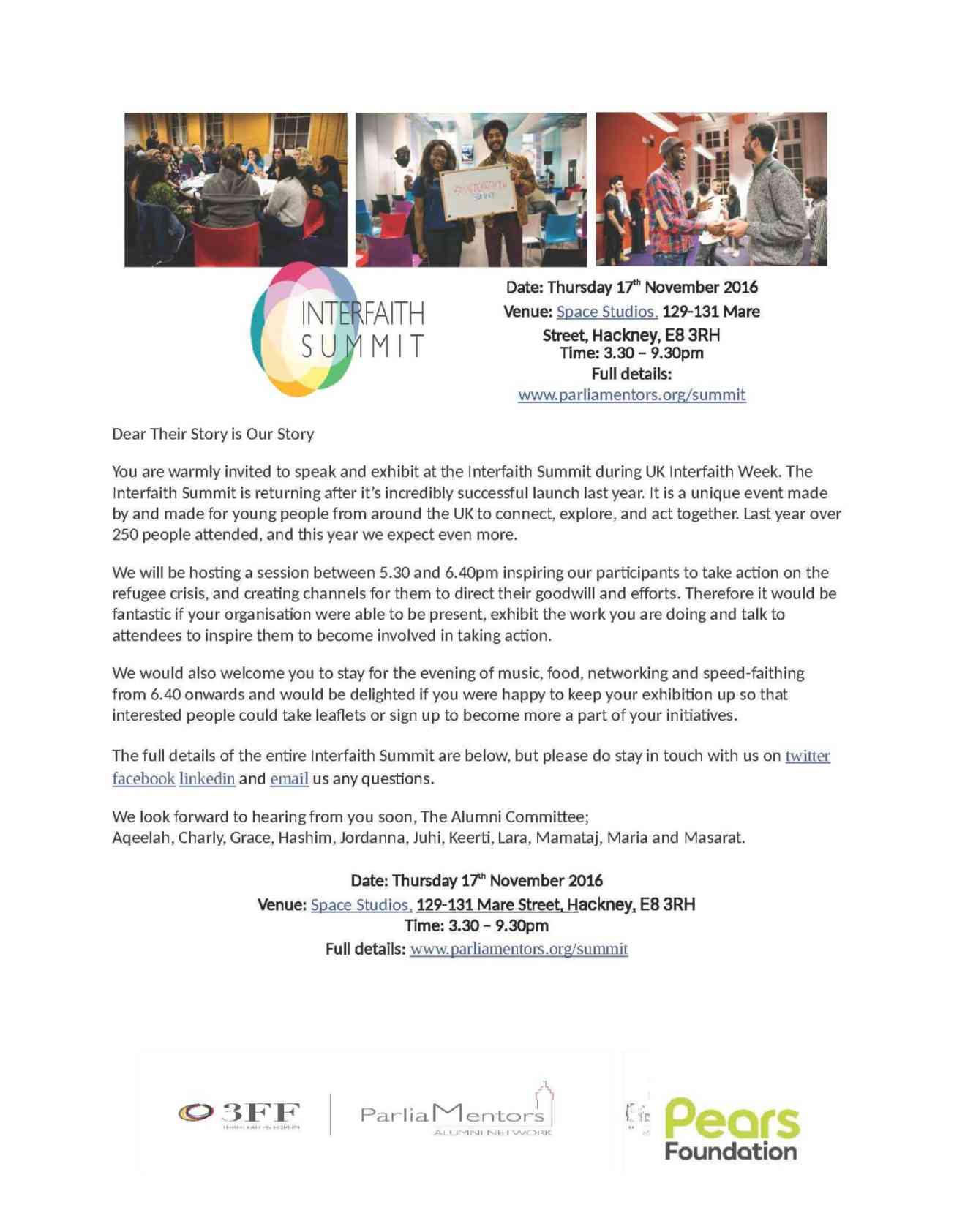
The event started at 3:30 and went on until 9:30pm. The first hour they had a keynote speaker from the Advocacy Program, they are a “transformational Social Justice Fellowship for young people who are passionate about making a difference in the world. Across eight intense months, we support young leaders from marginalised communities to develop the knowledge, skills and confidence to tackle some of the biggest challenges of the 21st century.” Really inspiring group!
The summit is run by 3FF and ParliaMentors. 3FF is understanding and lasting relationships between people of all faiths and beliefs and ParliaMentors is a program they run where teams of university students of different faiths and non-religious beliefs collaborate to create real social change while being mentored by MPs. Most of the group were twenty-somethings. I was so inspired by that, in and of itself. They were all apart of groups making change....I wish I had been like that in my twenties!!!
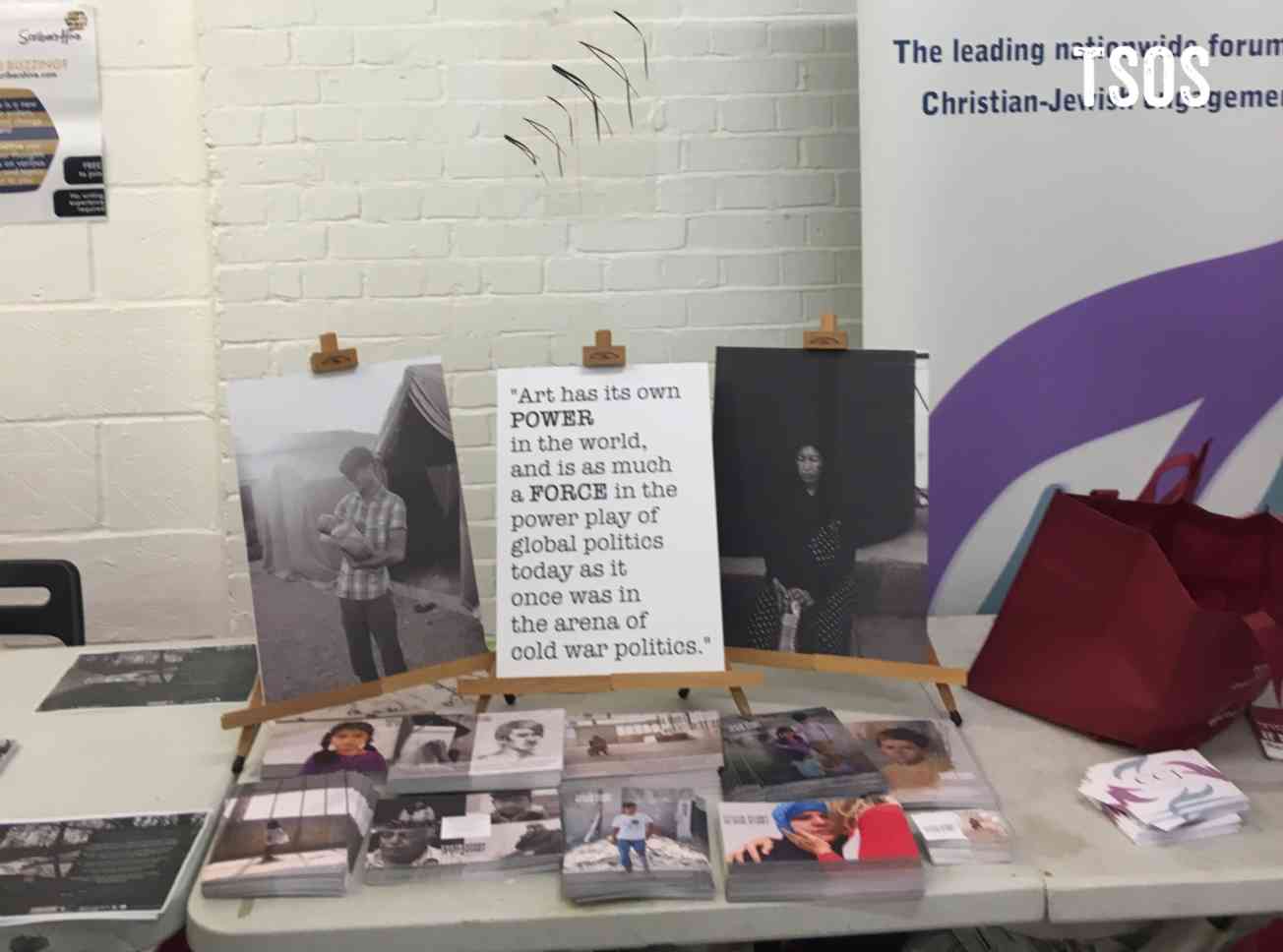
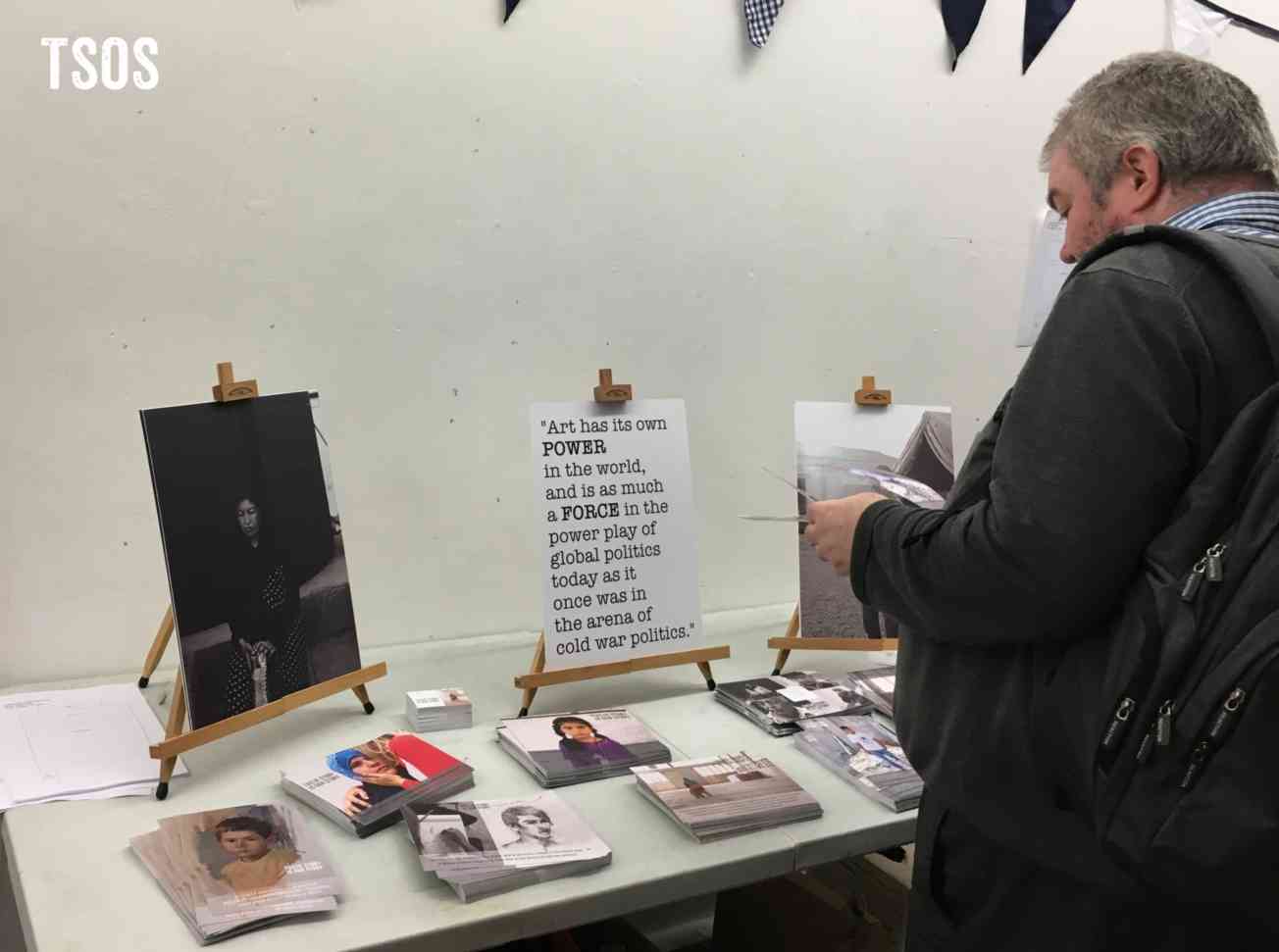
Between 5:00pm to 6:30pm there was the refugee section. There were four contributors, including our group. We introduced ourselves and then groups of people would sit at your table to discuss what you do and how they can help you. That was the main event for me the whole night. Being able to talk about what we do, why do it and how they can help. I really stressed to them that we need people to like our page and share the stories. The work is only good as long as the public can see it! I told them we needed translators, I got a few cards and that we also needed help with growing numbers.
Then the last half was dinner provided by a North African group...it was delicious and then a ton of music from all over! I met and spoke with Gulwali Passerlay who wrote The Lightless Sky about his journey to the UK as an Afghan child refugee. As you would expect, he is amazing! We exchanged details, he has many translation connections. He also LOVES what we are doing. It would be great to work with him.
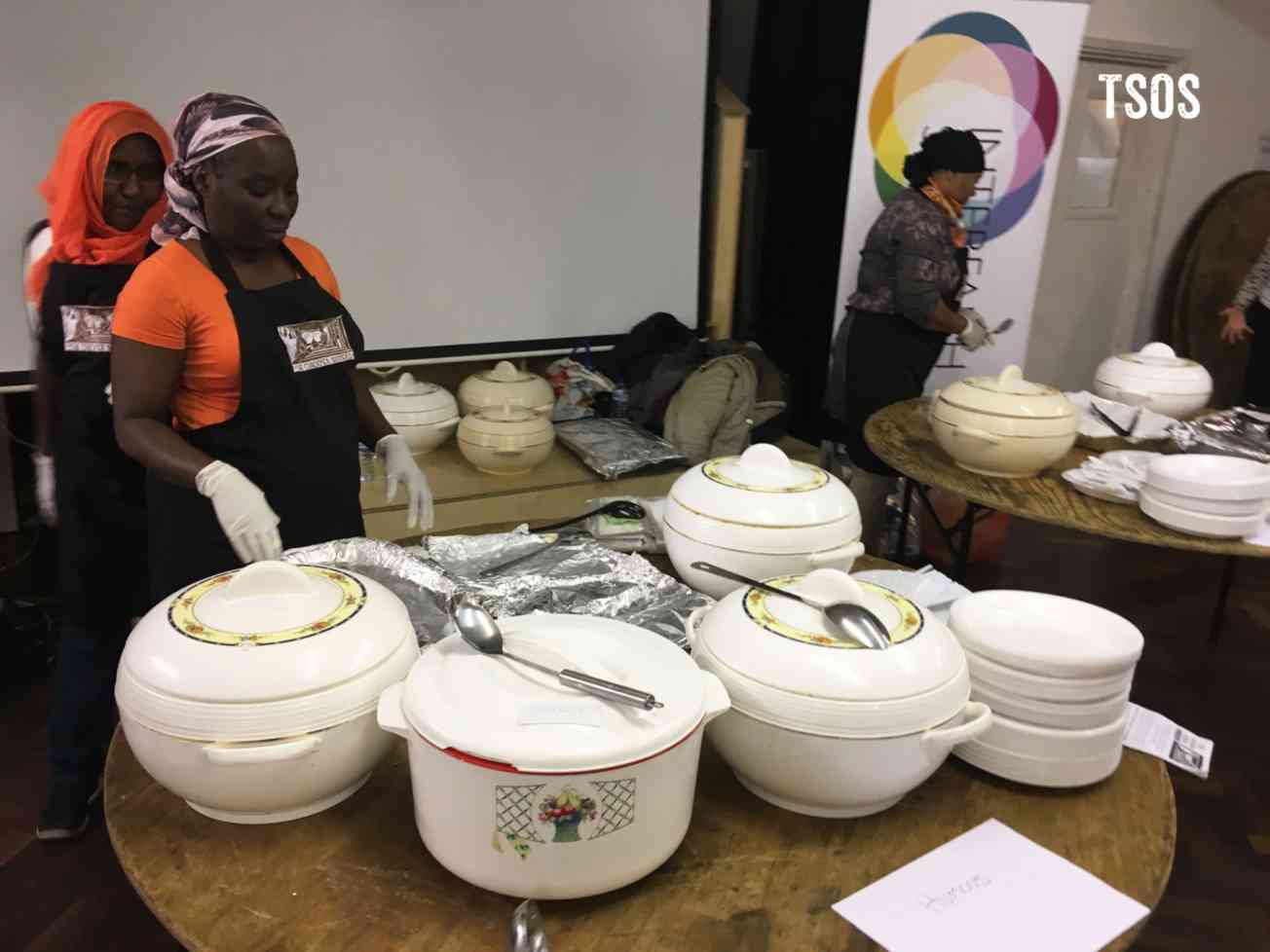
They did a section on how food can cross cultures and barriers...it was really quite incredible actually. We made Jordanian date cookies and another group made something else...I can’t remember the name! The group who ran that is called Kitchen Rituals. They are based on a cafe called the Conflict Kitchen (based in Pittsburgh) which serves food from the countries that the US is in conflict with. They have done some roving workshops here in the UK. The idea is that were able to connect with other cultures and groups through cooking and food. https://www.facebook.com/KitchenRituals2016/ .
Spoke with MANY MANY women who wanted to know my interest in photographing refugee women....SO MANY! Another group called You Press...very similar to what we do. They REALLY want to collaborate. They are interested in all our refugee stories and doing them as some kind of performance. http://youpress.org.uk/what-we.... I was really impressed by them. They both spoke to me about how using the creative arts helps to change perspectives but also that they want to see action and change within the politicians to do something about it! I didn’t get home until 1am because a huge chunk of my motorway was shutdown!! Added an extra hour to my journey!! I am SUPER tired but so inspired by the people I met and that TSOS has put a little stamp somewhere!!
Helping ITPs Succeed: Insights from Leading Support Programs
Partner Profile: No One Left Behind
Their Story is Our Story and No One Left Behind (NOLB) joined forces in 2025 to launch the StoryShield program.
We spoke with Matthew Marcellus, Director of Communications with NOLB, and asked what the partnership with TSOS has meant for his organization and their Afghan clients.
Context with Layma
Social media presents us with an endless scroll of headlines and ‘hot takes’. What’s often missing is context. What is the history that led up to an event? Whose interests are served by a certain policy? What effects is that policy having on people’s lives? Layma Murtaza produces and hosts the video series “Context with Layma”, featured on Their Story is Our Story’s social media channels. We spoke to her about the context of her own life, as an Afghan-American and a professional in humanitarian aid, that led her to use storytelling to illuminate the personal and political context behind the headlines.