Life Vests
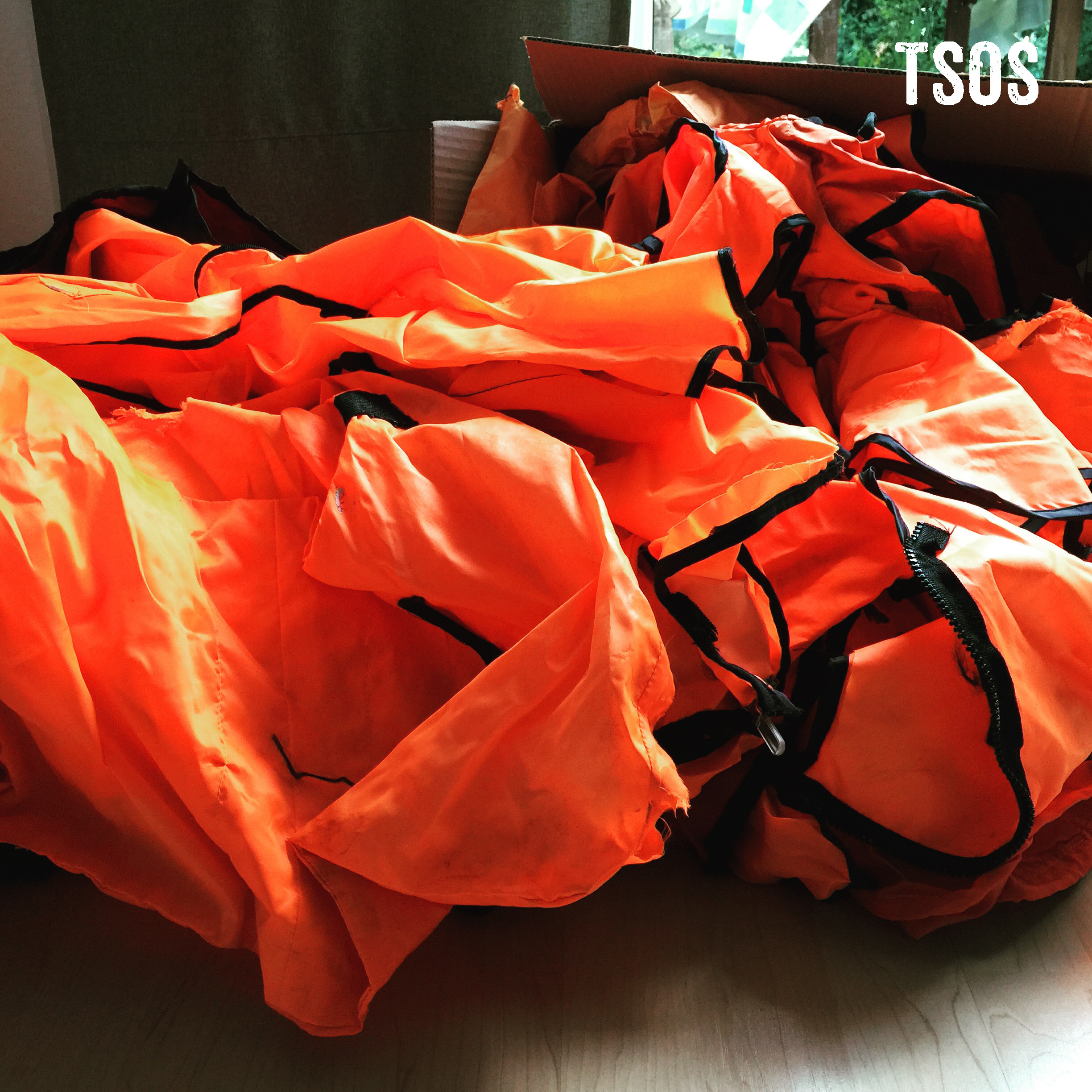
Life vests from the shores of Lesbos. As I pull them from the box my amazing friends, Luca and Silvia, packed them in after collecting them from those abandoned, rocky shores, I am struck by what it must have represented to the man, woman, or child who wrapped themselves in these vests and pushed off from their continent — pushed away from destruction and pain, from shattered dreams and living nightmares — placing their very lives and futures in the hands of their God and their fellow human beings on the other side of all that looming water. These lifeless orange shells awaken in me a deep sense of responsibility as I pull them out one by one. They were dropped in relief as feet touched solid, peaceful, European soil and eyes were trained forward with hope. And now their story is ours. Life vests from the shores of Lesbos.
Helping ITPs Succeed: Insights from Leading Support Programs
Partner Profile: No One Left Behind
Their Story is Our Story and No One Left Behind (NOLB) joined forces in 2025 to launch the StoryShield program.
We spoke with Matthew Marcellus, Director of Communications with NOLB, and asked what the partnership with TSOS has meant for his organization and their Afghan clients.
Context with Layma
Social media presents us with an endless scroll of headlines and ‘hot takes’. What’s often missing is context. What is the history that led up to an event? Whose interests are served by a certain policy? What effects is that policy having on people’s lives? Layma Murtaza produces and hosts the video series “Context with Layma”, featured on Their Story is Our Story’s social media channels. We spoke to her about the context of her own life, as an Afghan-American and a professional in humanitarian aid, that led her to use storytelling to illuminate the personal and political context behind the headlines.