Written by Garrett Gibbons
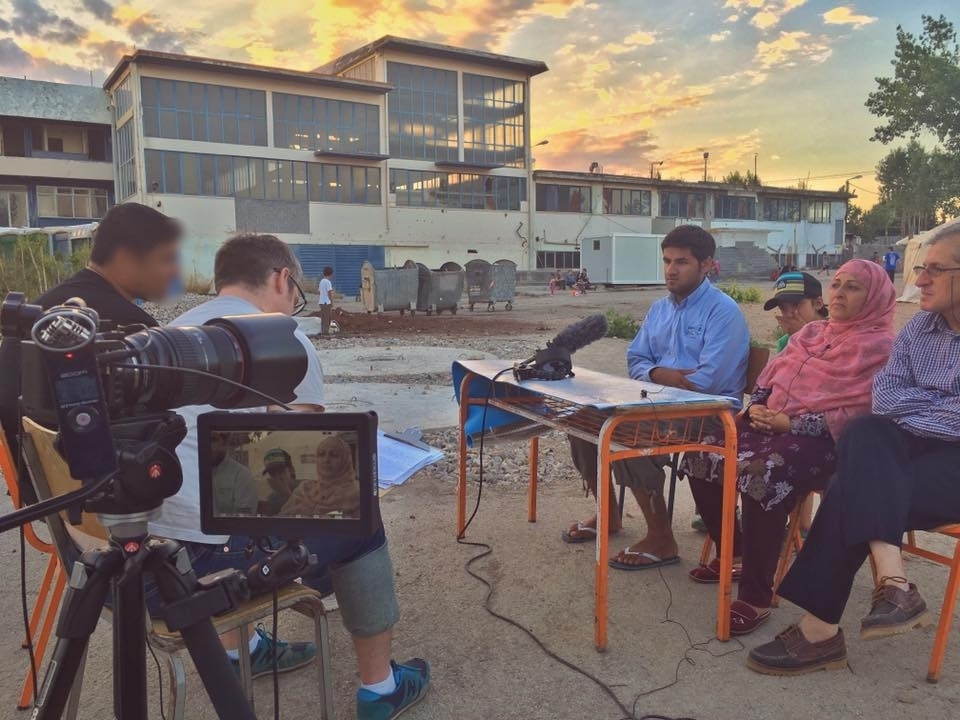
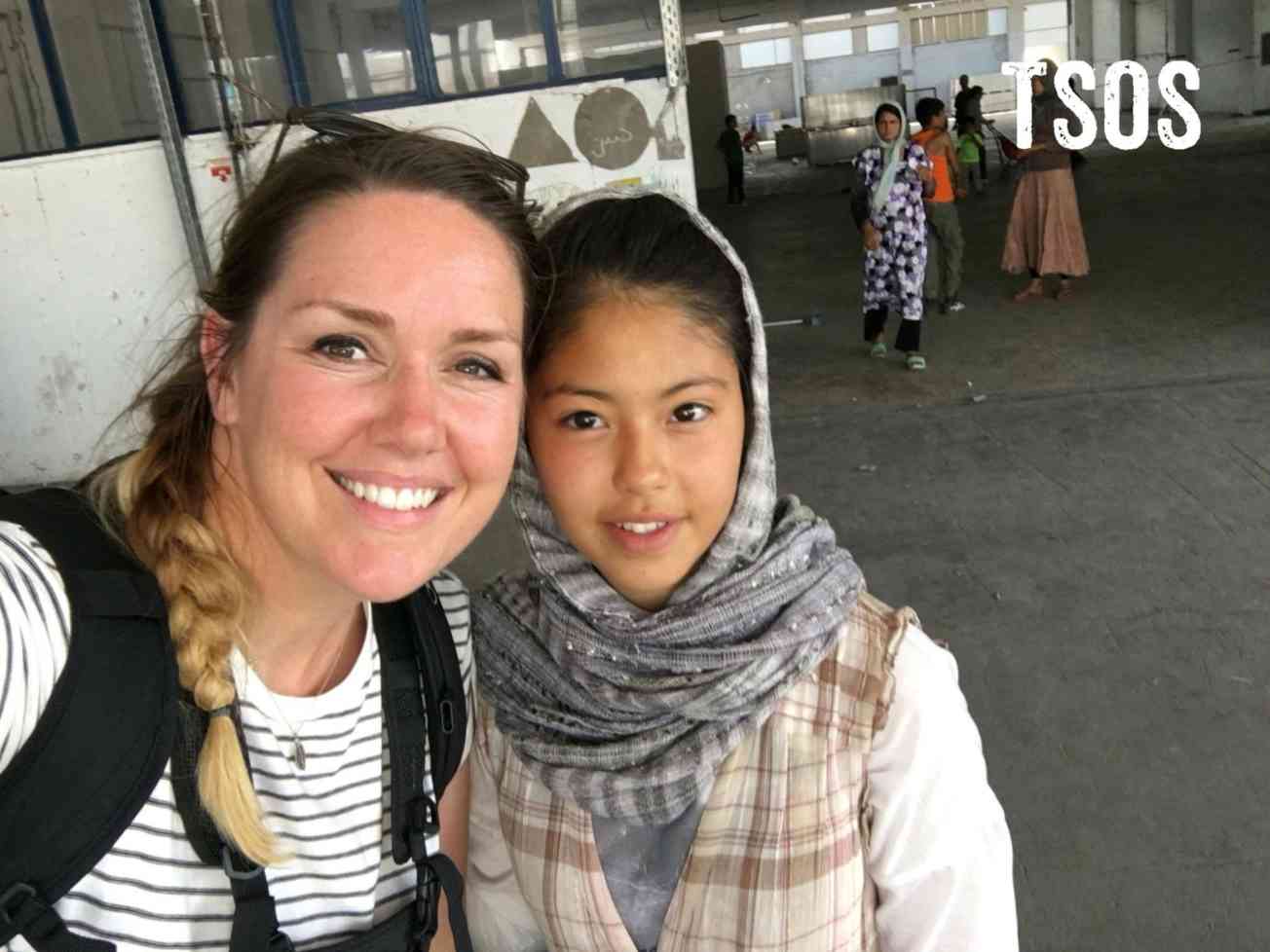
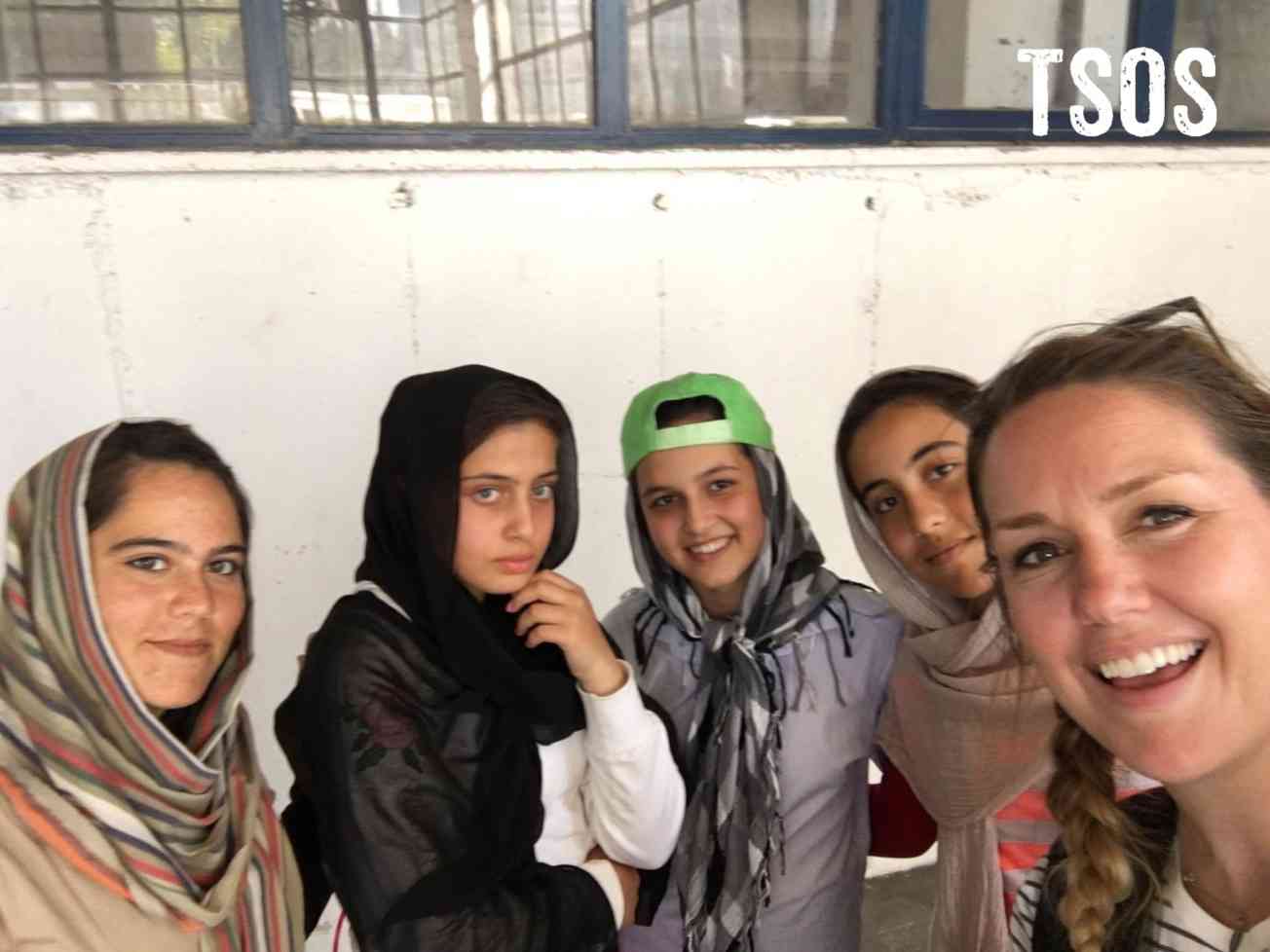
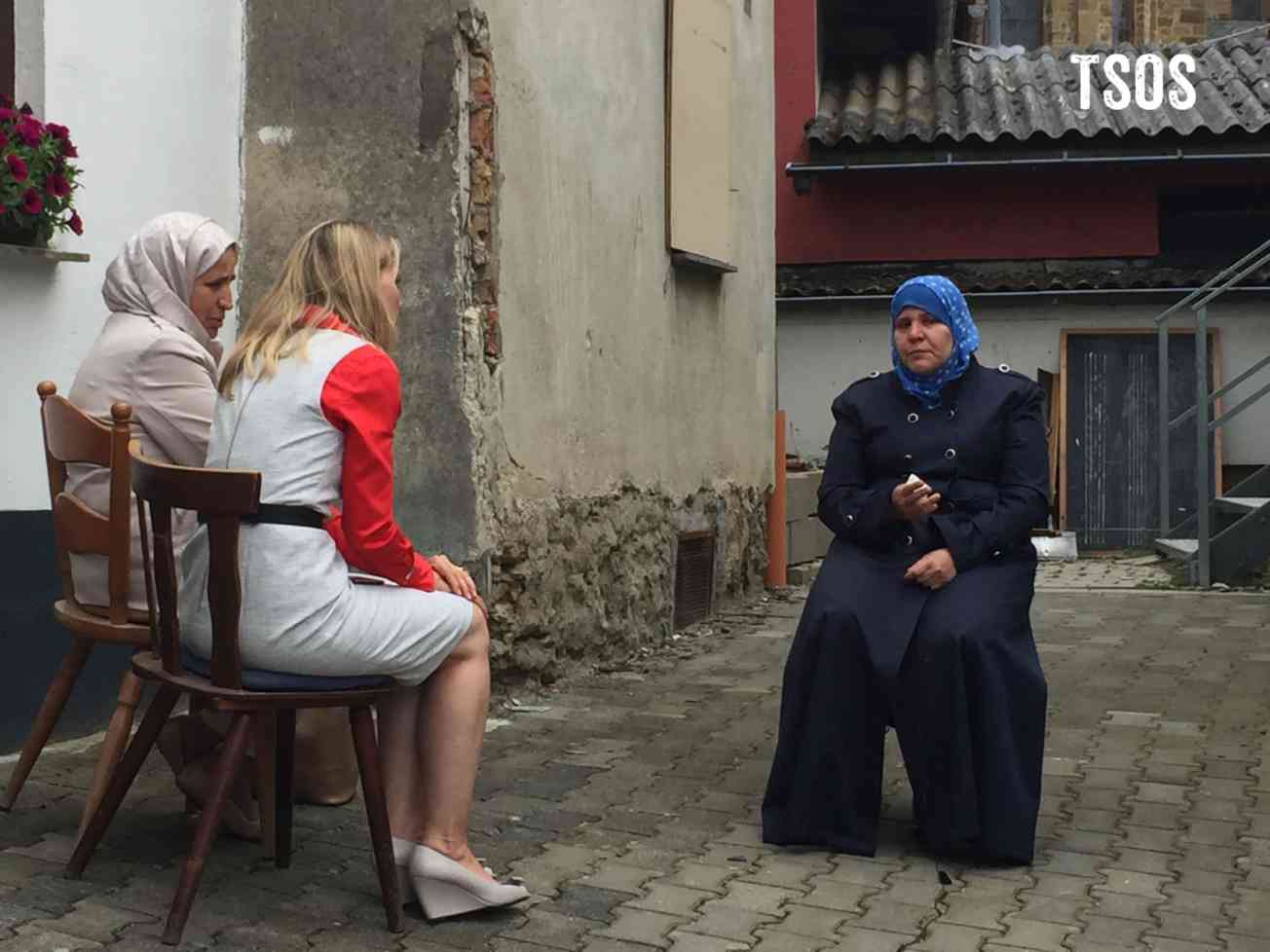
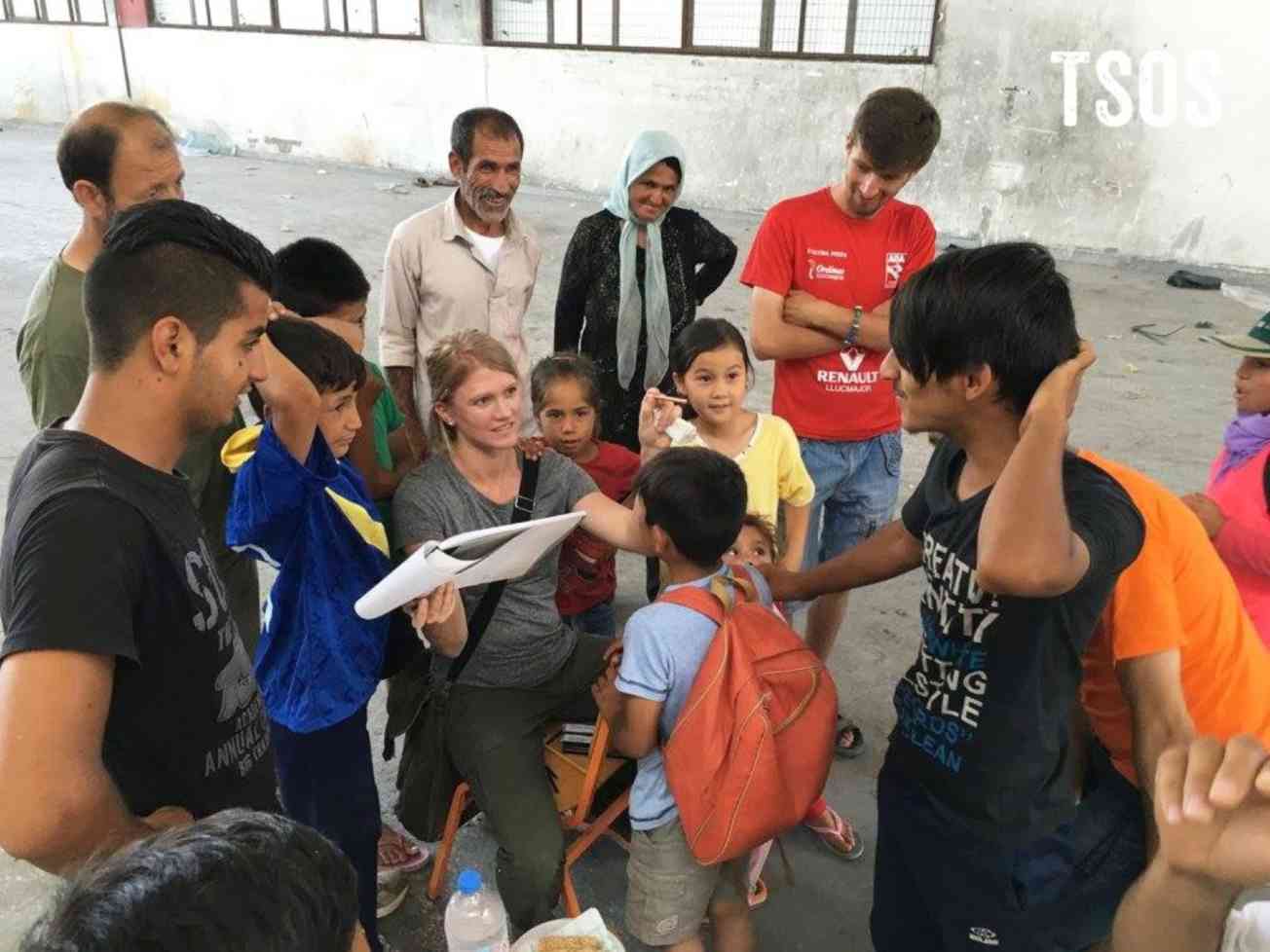
Our team is halfway through our documentary visits to refugee camps in Greece and Germany, and we are so grateful to the generous donors who made this happen.
Over the last few days, we have recorded the stories of a few hundred people who have been through nightmarish conditions, sometimes for decades on end, and who were exploited and robbed and overcharged at every step of the way. They are grateful for our service to them, and for the voice we are giving them when they feel so powerless. That service is made possible because of donors. Thank you!
We are excited to share more stories once we finish here in Germany this week!
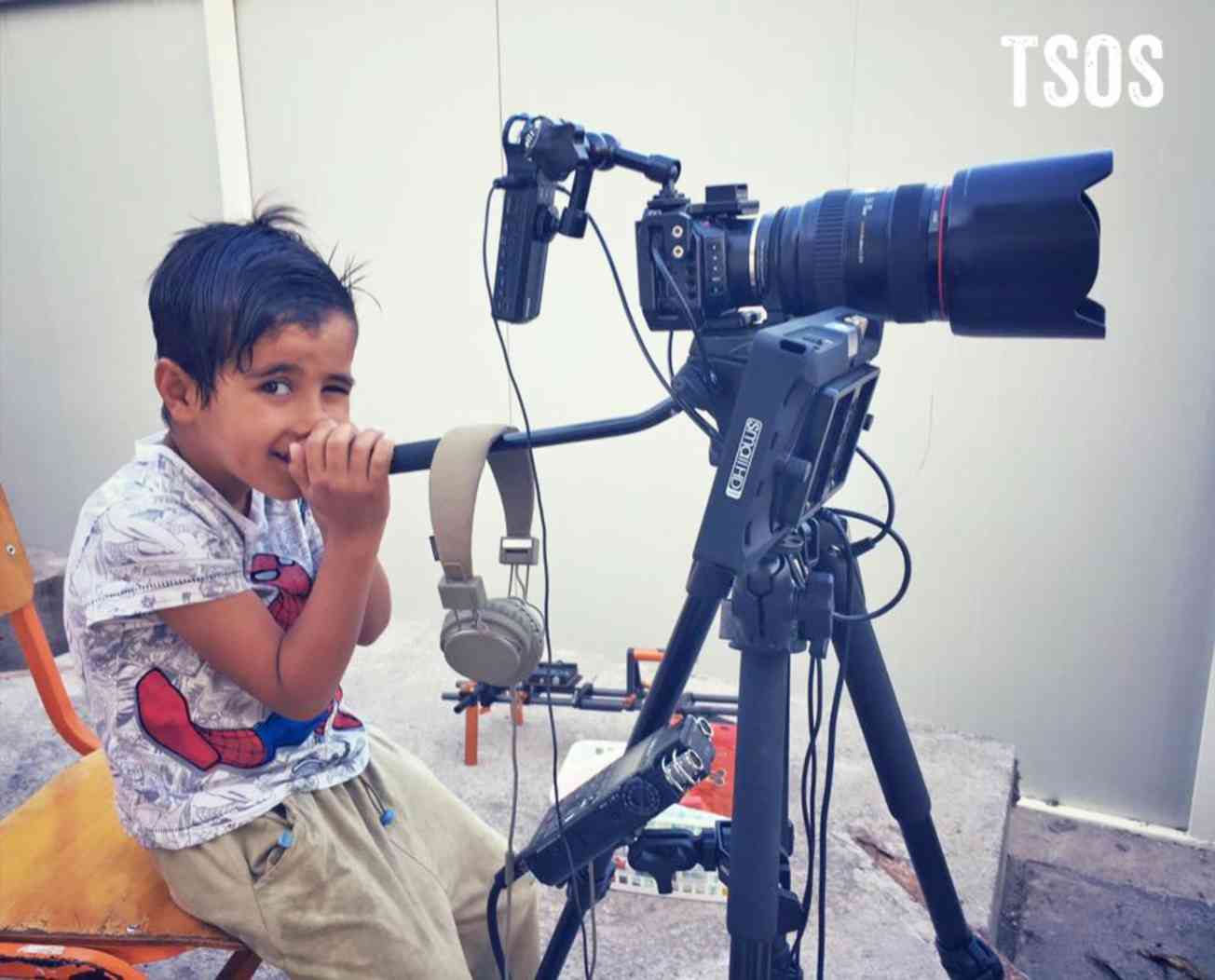
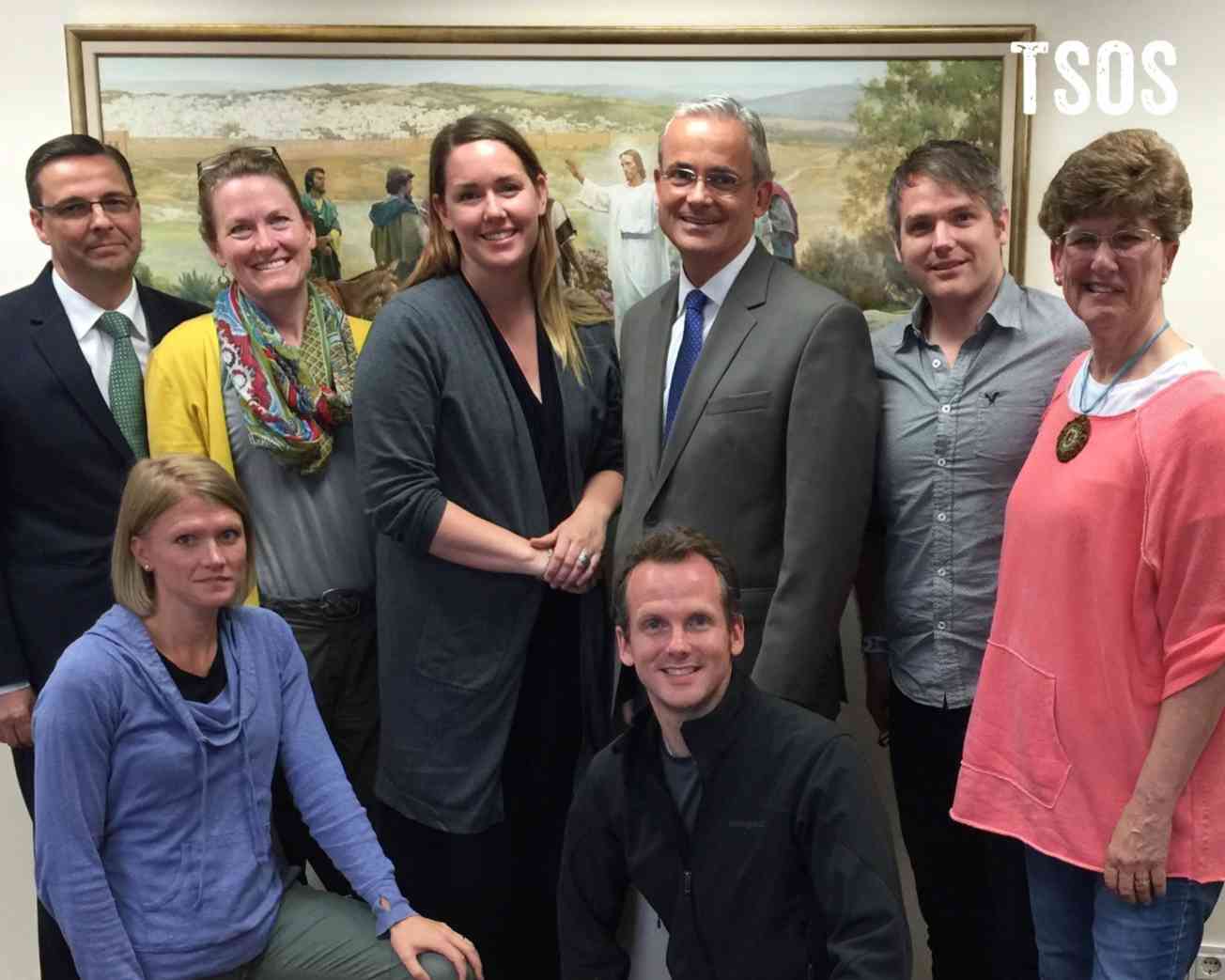
Though we are a small crew of volunteers, it has been easy to find helpers along the way!
Helping ITPs Succeed: Insights from Leading Support Programs
Partner Profile: No One Left Behind
Their Story is Our Story and No One Left Behind (NOLB) joined forces in 2025 to launch the StoryShield program.
We spoke with Matthew Marcellus, Director of Communications with NOLB, and asked what the partnership with TSOS has meant for his organization and their Afghan clients.
Context with Layma
Social media presents us with an endless scroll of headlines and ‘hot takes’. What’s often missing is context. What is the history that led up to an event? Whose interests are served by a certain policy? What effects is that policy having on people’s lives? Layma Murtaza produces and hosts the video series “Context with Layma”, featured on Their Story is Our Story’s social media channels. We spoke to her about the context of her own life, as an Afghan-American and a professional in humanitarian aid, that led her to use storytelling to illuminate the personal and political context behind the headlines.