It's Very Easy to Do
As a volunteer with AIDNW, Anne visits people in immigration detention.
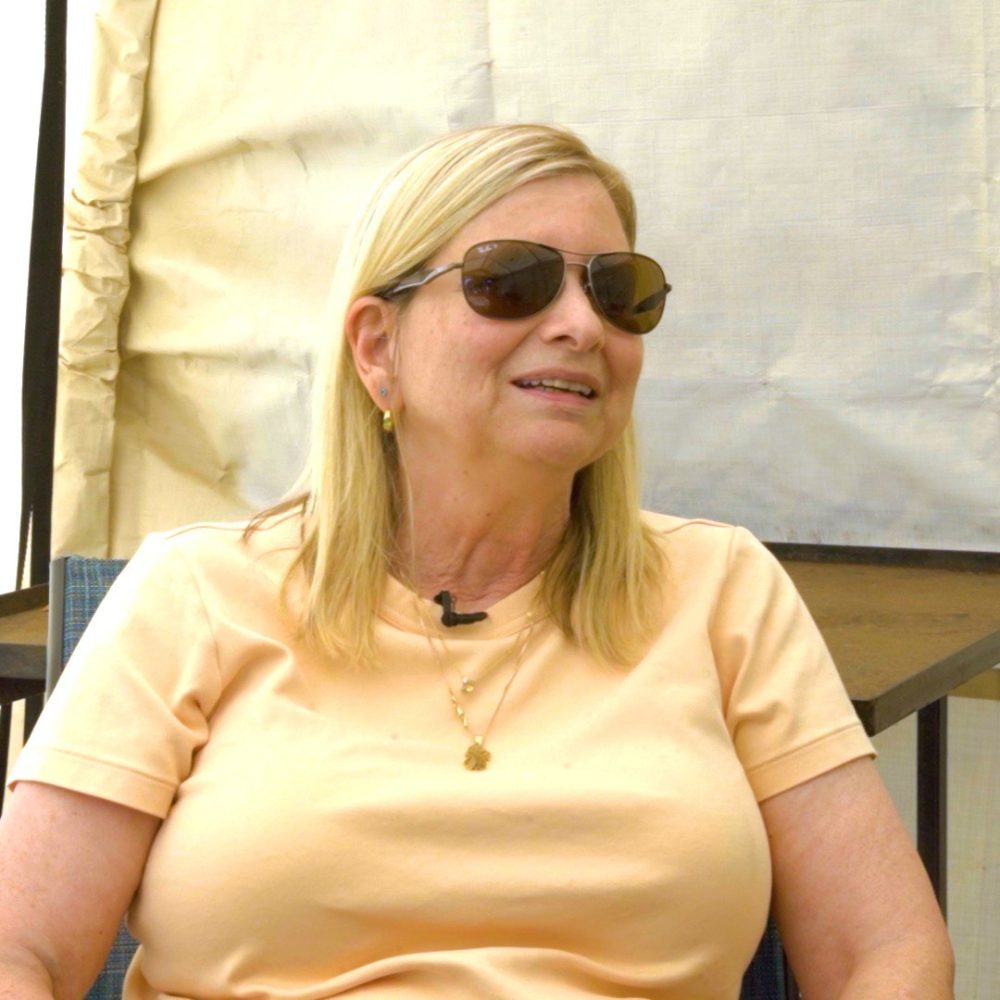
My name is Anne Underwood. I live in Bellevue, Washington, and I had my own business for 24 years, I worked almost exclusively with Hispanics. Prior to that, I worked in the emerging markets and primarily in Latin America.
Given that I feel like I’ve been immersed in the Hispanic community for so many years, I even lived in Chile for two years, when I retired I felt like I wanted to get back to the community. I looked up what organizations are involved around here and I sent emails asking if they wanted help. AIDNW (Aid Northwest) was the only one that got back to me. I started out just visiting people (in the Northwest ICE Processing Center), but I told them I speak Spanish fluently, so they said that I could come help at the Welcome Center.
The first person that I was visiting wanted to be self-deported, and he got sent back right away. Then I was matched up with a man from Romania who’s lived here in the US for probably 15 years. An interesting guy, very smart, he speaks English fluently, and he’s done a lot of the paperwork for filing for habeas corpus and appeals on his own. He’s not only trying to get out of the detention center, but he’s also fighting for custody of his child, because his ex-wife is trying to use this against him to take away his child. So it’s kind of a sad situation.
Then I also visit a gentleman from Mexico who lives near Bend, Oregon, and he’s got a lot of family around that seems to keep his spirits up. He told me that he was in process to get residency here through his wife, but then his wife passed away, and because of, I guess, a lot of the grief, he just never picked it back up again. Then I think he may have had some sort of arrest at some point; a lot of times folks won’t tell you that, but then you sort of figure it out. He’s in high security too, so I know he did something. But a super nice guy. I don’t usually visit with him as long as I do the other guy, because he’s very shy. He doesn’t want to talk a lot.
The people that are at the front desk (of the detention center) are very polite, very nice, and there’s a couple people that recognize me now. I don’t ever get any pushback from them, it’s very easy to just go in. You give them your ID and then you sign in; they give you a permit, and then you wait for them to call the person to come into the visiting area, and then you can go in and visit with them. It’s just like what you see on TV, the little rooms with the glass, and then you pick up the phone, and they’re on the phone on the other side. Today, there were a lot of people back there. One person must have had seven or eight people there visiting, including a couple kids. And then sometimes there’s only one or two people.
But it's very, very easy to do. I wish more people would do that.
I’ve been really impressed with Aid Northwest and the people that volunteer here. As an organization, they have been here helping at the detention center way longer than any of the other groups that help at other detention centers around the country, and they’re sort of a model for everybody else.
We do everything from, as soon as people come out, welcoming them and giving them food and something to drink, and in the wintertime we have heat, so they can be in here and stay warm. We help them make travel arrangements to go wherever they’re going. We drive them to the airport, or the bus station, or the train station. If they need temporary housing, maybe they can’t get transportation to go where they’re going that night, then we have a list of volunteers that will keep them at their home.
We have a whole list of interpreters. I had a lady that spoke only Chinese, and there was nobody here that spoke Chinese, so I was able to call somebody on that list, and she was super helpful. Then we were taking her to the airport, and I asked the interpreter, “Is it okay if we give your phone number to this person?”, so that if she has any trouble with the airport, she can call. “Oh, yeah, of course, no problem. I’m so happy to do that”. And that’s where I feel all the volunteers are. Their heart is completely in it. It’s impressed me how many people speak Spanish that work here. Probably 50% of the people that work here, volunteer here, speak Spanish.
Every time I have been here, I have seen at least one van go in (to the detention center). You might see four or five vans go in with people during the afternoon. It’s always heartbreaking.
I don't think even us volunteers understand much about what detention is like.
One of the persons that I visit with informed me today that a few days ago, someone fairly high up from ICE was here visiting and wanted to speak with some of the detainees. The guy I visit was one of the ones that was being interviewed, and so he was like, “Well, so why are you here? What do you want to know?” And the guy was like, “Well, we want to know what’s the food like? What’s medical care like?” Just conditions day-to-day.
They were very honest and said the food is terrible, and we hear that people don’t get immediate medical attention when they might need it, and the condition here is just not great. “We expected America to be better than this.” And evidently the ICE guy said, “We want it to be sufficient.” And he’s like, “It’s a long way from being sufficient.”
On the other hand, I do know most of the people who come out of here say that the conditions here are way better than other detention centers, if they have been to different ones. So even though it’s not great, it’s kind of sad to think that this one’s a lot better than others.
Every day is different. The fewest number of people released when I’ve been here was maybe two, and it’s ranged from two to maybe 10. I think it’s pretty random. Even the guys I visit on the inside say it seems random to them, too. Nobody knows until maybe the day before if they’re going to get released or not.
Most of the people that work here at Aid Northwest feel like the number of releases has increased since people started filing habeas corpus. I think I read that Seattle was one of the first locations that really started pushing habeas corpus, and then other locations did too. Almost everybody that gets out now is through habeas.
The guy that I was visiting with, he has known people that filed habeas, maybe they were denied, then they filed an appeal, and they were let out with an ankle monitor while they were waiting for the appeal, and then they lost the appeal, but didn’t have the language or couldn’t find an attorney to file another appeal, so then they got picked up and put back. That’s really sad.
My guy said that there’s lots of attorneys that will file habeas, but nobody wants to pick up a case that they don’t know that they can win. It’s not hard to find people who will file habeas, but it’s very hard to find people who file appeals. That was his perspective.
It is so exciting when we see people come out. There are some people that are just so happy to see somebody welcome them. I can’t tell you how many times people come out, we’ve gone up to hug them, because you can tell they just need a hug, and then they’re in tears, and they’re just hugging you. And then so many people are just so thankful, so appreciative of having somebody here to help bridge the gap between coming out and getting to wherever it is they need to go. I’ve seen maybe one or two people come out that were just bitter the whole time. Everybody else, just so appreciative to have help.
What people are most in need of when they're released is just understanding and empathy for what they've been through.
Not everybody wants to change clothes. A lot of people do. They don’t want anything to do with the clothes that they came out in. A lot of people don’t want anything to eat or drink. Some people don’t need help with transportation. They’re very happy to just have somebody here to talk to, to kind of celebrate their release with, who they know is on their side. I can’t really say that there’s any one thing that people need more than anything else. The whole combination of things that we have helps people feel supported, whether they use it or not.
There’s people that have been there 2, 3, 4 years. Even the Romanian guy that I visit with, he’s been in there for five months, and he’s just so tired and exhausted. People just get so bored and feel like worlds are passing them by.
Our team members obtain informed consent from each individual before an interview takes place. Individuals dictate where their stories may be shared and what personal information they wish to keep private. In situations where the individual is at risk and/or wishes to remain anonymous, alias names are used and other identifying information is removed from interviews immediately after they are received by TSOS. We have also committed not to use refugee images or stories for fundraising purposes without explicit permission. Our top priority is to protect and honor the wishes of our interview subjects.