Helping Displaced Students Navigate Higher Education
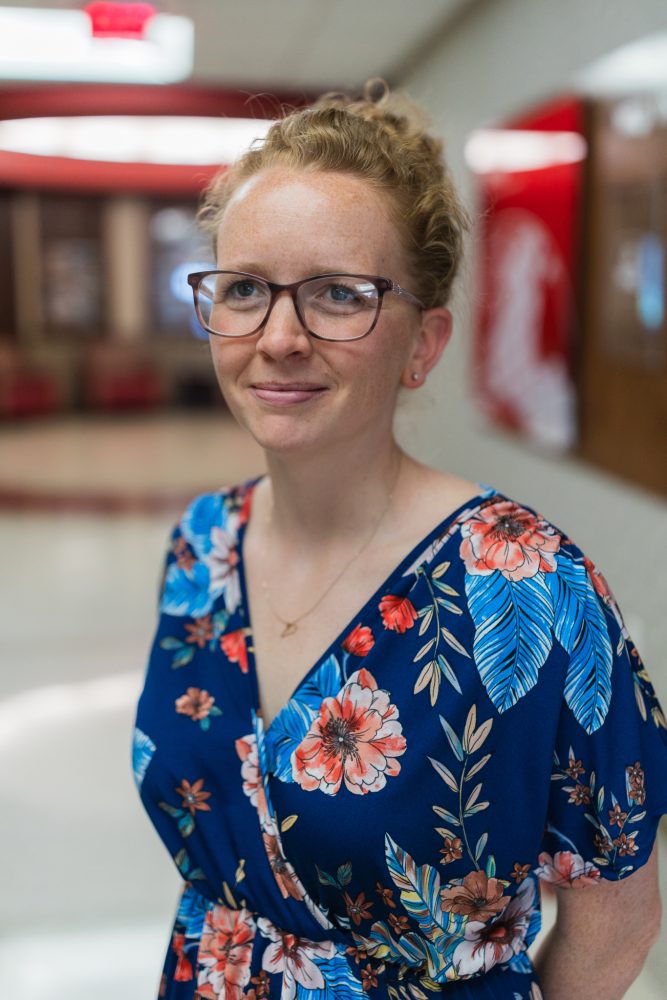
My name is Lauren Reyes. I’m the assistant director for International Student Success at Western Kentucky University.
I was thrilled when a scholarship was introduced by the state of Kentucky two years ago to provide greater access to higher education for displaced students here in Bowling Green. We collaborated with Refugee Bowling Green to launch our mentorship program, which we officially call the Resilient Refugee Navigator Program. This program pairs current students enrolled within the university, called Navigators, with one to five displaced students.
We didn’t want students’ cultural or linguistic barriers or their background to in any way stand between them and success in higher education. They’d already cleared the threshold to be admitted to college; they have a drive to succeed. One of the goals of this program all along was to ensure that we did as much as we could to tear down those barriers and make sure that cultural nuance or misunderstanding wasn’t something that precluded them from having a good relationship with a faculty member or things like that.
So a lot of this was about helping them navigate American higher education, not because this is the only or the best way to do higher ed, but because that's the situation in which they found themselves.
All of our students are just incredibly resilient and determined to succeed, but they just need some extra support to be able to navigate campus resources, know where to go when they need help, and know which offices on campus are appropriate for their questions. We train our navigators on the practical elements of campus resources, but also we train them on being culturally sensitive and being aware of the trauma that these displaced students might have been through.
It’s just incredible the impact that our diverse students have on the classroom and on campus life. It’s so beautiful to me to see the friendships that are formed by American students with our displaced or our international students. It enriches our campus life to get to see these other perspectives and hear these stories–to be able to build relationships and share those experiences that build greater empathy amongst all students.
Our office hosts cultural events where students come and share coffee or tea traditions from their culture and a snippet of daily life or those daily habits that are part of their life and their countries. It’s so rich and so beautiful to see the commonality and the things that bring us together–whether it’s a certain way of brewing your coffee or a certain ingredient that students from two different continents put on their tea.
A lot of things bind us together.
That richness of cultural sharing is something that has really been exciting to see through this program.
There are always people who are going to be a little disgruntled about free money being given out to anybody, but it really is an investment because they come to realize that these students are worth investing in. I think the goal is ultimately that our newcomers will know that they’re welcome and that they feel empowered to thrive and to succeed and be integrated into Kentucky in a way that is fulfilling to them and in a way that allows them to maintain their own cultural identity and heritage while also bridging the gap between their background and now where they live in Kentucky workforcewise. It’s just incredible to think about more and more people being empowered to have this education and bring their skills into the workplace. But really, culturally,
I think the dividends are even greater to know that people can be autonomous members of society and feel like they have pride and ownership of their life here.
In Bowling Green, we’re really thankful for our immigrant populations because they do bring such a richness and we often find that they start successful businesses. They create incredible restaurants that are delicious and very successful. They’ve created companies that have grown very large and offered a lot of employment to the region. I’ve heard a lot of anecdotes about the positive impacts that these communities have had in our community at large over the years.
I think for any university that cares about student success, it’s pivotal that we pay attention to the needs of populations that sometimes tend to get overlooked. And what we’ve learned is that while our domestic student admissions office is wonderful, it just wasn’t ready to address some of the student needs of displaced students that were coming in. Because there are so many support networks already in place, we found that our navigator program has more often than not, helped point students to other resources that already exist on campus. And so it’s more about making connections. Yes, we created a program and we train them and it’s been really, really exciting to see it take shape, but
there's often more support available than we might realize. We just have to find a way to make sure that students can access it.
Our team members obtain informed consent from each individual before an interview takes place. Individuals dictate where their stories may be shared and what personal information they wish to keep private. In situations where the individual is at risk and/or wishes to remain anonymous, alias names are used and other identifying information is removed from interviews immediately after they are received by TSOS. We have also committed not to use refugee images or stories for fundraising purposes without explicit permission. Our top priority is to protect and honor the wishes of our interview subjects.